

Have you ever wondered how those cool digital cameras work? You know, the ones that capture all those fantastic photos of your family vacations and adorable pet moments? Well, get ready to embark on a journey of discovery as we unravel the secrets of how cameras work and transform everyday moments into lasting memories.

What is a Digital Camera?
First things first, let’s understand what a digital camera is. Imagine it as a magic box that can capture and store images just like a treasure chest holds precious gems. A digital camera is different from the old-fashioned film cameras your grandparents might have used. Instead of using film rolls, it uses a super-smart electronic sensor to capture light and turn it into digital images.
Capturing the Light
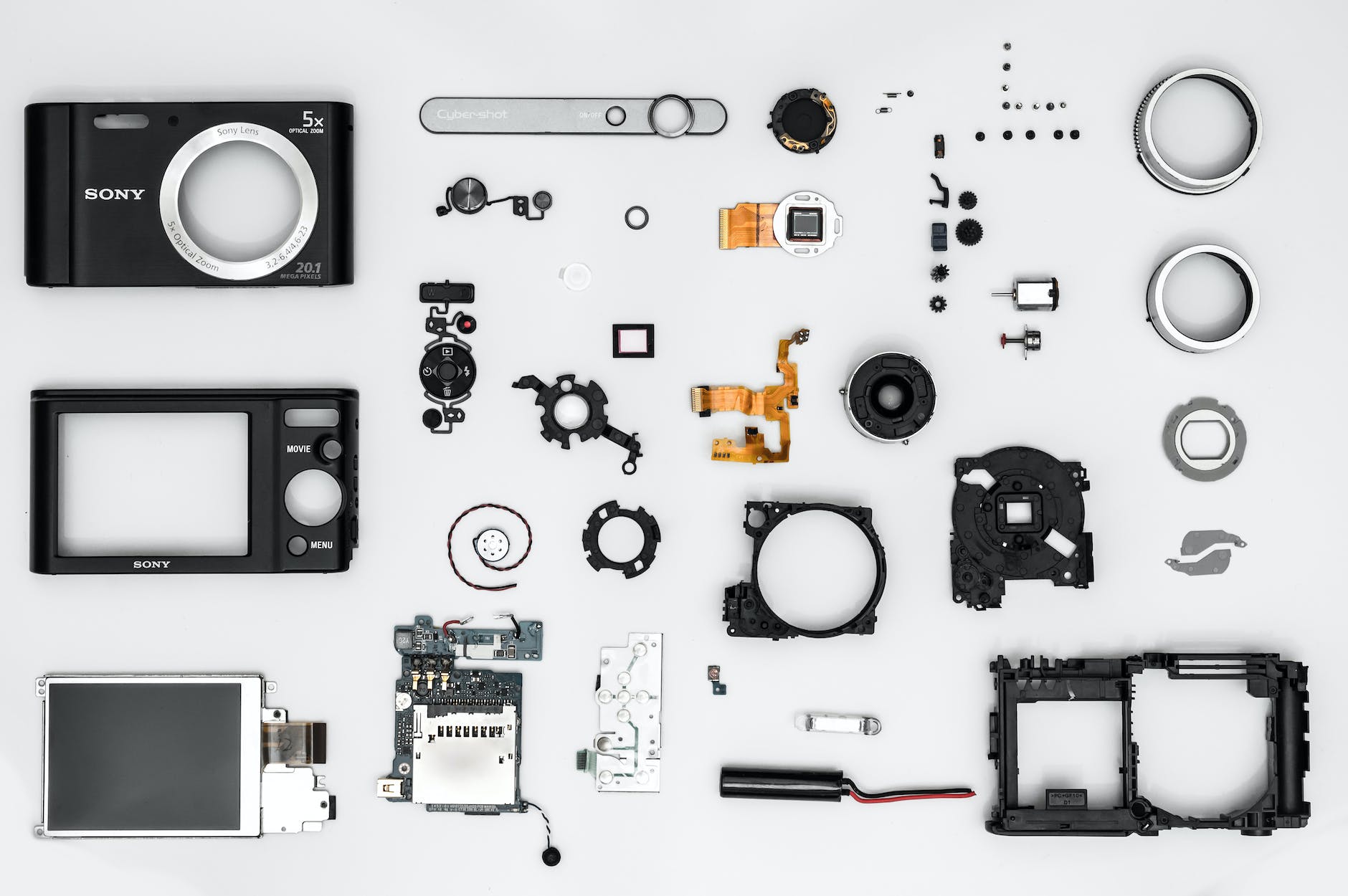
Okay, so how does a digital camera actually capture light? That’s where the fantastic lens comes into play. Just like a pair of glasses helps you see clearly, the camera lens gathers and focuses light from the scene you want to photograph. The lens works like a funnel, directing all the light onto a tiny electronic chip called an image sensor.
The image sensor is like a light-sensitive canvas that’s magic in itself. When light falls on it, it turns the light signals into electrical signals. These signals are like secret codes that hold all the information needed to create a digital image.
Converting Light Signals to Pixels
Now that the camera has collected all the light signals, it’s time to transform them into the colorful pictures we love to see. The image sensor’s electrical signals are like a puzzle, and a tiny wizard called the image processor helps put the pieces together. It takes those signals and converts them into millions of tiny dots called pixels.
Pixels are like the building blocks of a digital image, and they work together to create the picture you see on the camera screen. Each pixel has its own color, and when millions of them come together, they form a beautiful and detailed photo!

Storing the Magic in Memory
Once your camera has worked its magic and created a lovely picture, it needs a place to keep it safe. That’s where memory cards come in. Just like a treasure chest keeps valuable gems secure, a memory card stores your digital images.
The memory card is like a small, flat box that fits into your camera. It’s super smart and can hold thousands of photos, depending on its size. So, every time you click that shutter button, your precious memories are stored safely in the memory card.

Previewing and Sharing the Moments
Now that you’ve captured some fantastic photos, it’s time to see them in all their glory! Your digital camera has a special screen called an LCD (Liquid Crystal Display). This screen acts like a mini-movie theater, showing you the images you’ve taken.
You can also show off your photography skills to your friends and family by connecting the camera to a computer or a TV. Some modern cameras even let you share your pictures instantly with a magical thing called WiFi! So, whether it’s a family get-together or a fun day at the park, you can share your moments with the world in a snap!
A World of Endless Possibilities
Now that you know the secrets of how cameras work, it’s time to let your creativity soar! With your trusty digital camera in hand, you can capture the beauty of nature, the joy of playing with friends, or even the silliest faces of your pet.
Remember, there are no limits to what you can capture and create with your camera. The world is full of wonders waiting to be explored through your lens. So, embrace the magic of photography, and let your imagination run wild!

How Do Digital Cameras Work: Conclusion
From capturing light with the lens to transforming it into digital images with the image sensor and processor, your digital camera is like a fantastic wizard that turns moments into lasting memories.
So, next time you pick up your camera, remember that you’re not just taking pictures; you’re creating magical stories that will last a lifetime. Keep exploring, keep clicking, and keep cherishing the beauty of the world through your lens.
 Stephen Walton Photography
Leave a Comment