
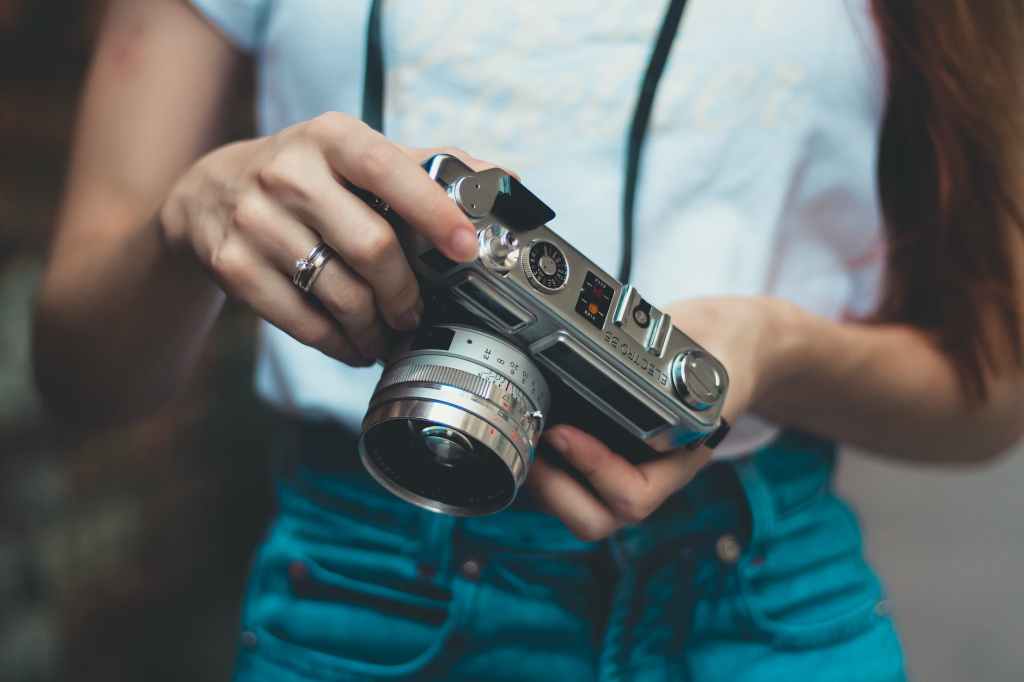
What is an Aperture and F/Stops?
As a beginner photographer, it’s important to understand what an aperture is and how it affects your photos. The aperture is the opening in the lens of your camera that controls the amount of light that enters your camera.
Think of it like the pupil of your eye: just like your pupil widens or contracts depending on the amount of light in a room, the aperture opens up or closes down to allow more or less light into your camera.
The aperture is measured in f-stops, which might sound a bit confusing at first. The smaller the f-stop number, the larger the aperture opening, and vice versa. So a low f-stop like f/1.8 means a large aperture opening, while a high f-stop like f/22 means a small aperture opening.

How Does Aperture Change a Photo?
In addition to controlling the amount of light, the aperture also affects the depth of field in your photos. Depth of field refers to how much of the image is in focus. A wide aperture (small f-number) creates a shallow depth of field, meaning that only the subject is in focus while the background is blurred.
This is great for portraits or when you want to isolate a subject. A narrow aperture (large f-number) creates a deeper depth of field, meaning more of the image will be in focus. This is useful for landscapes or when you want everything in the scene to be sharp and in focus.
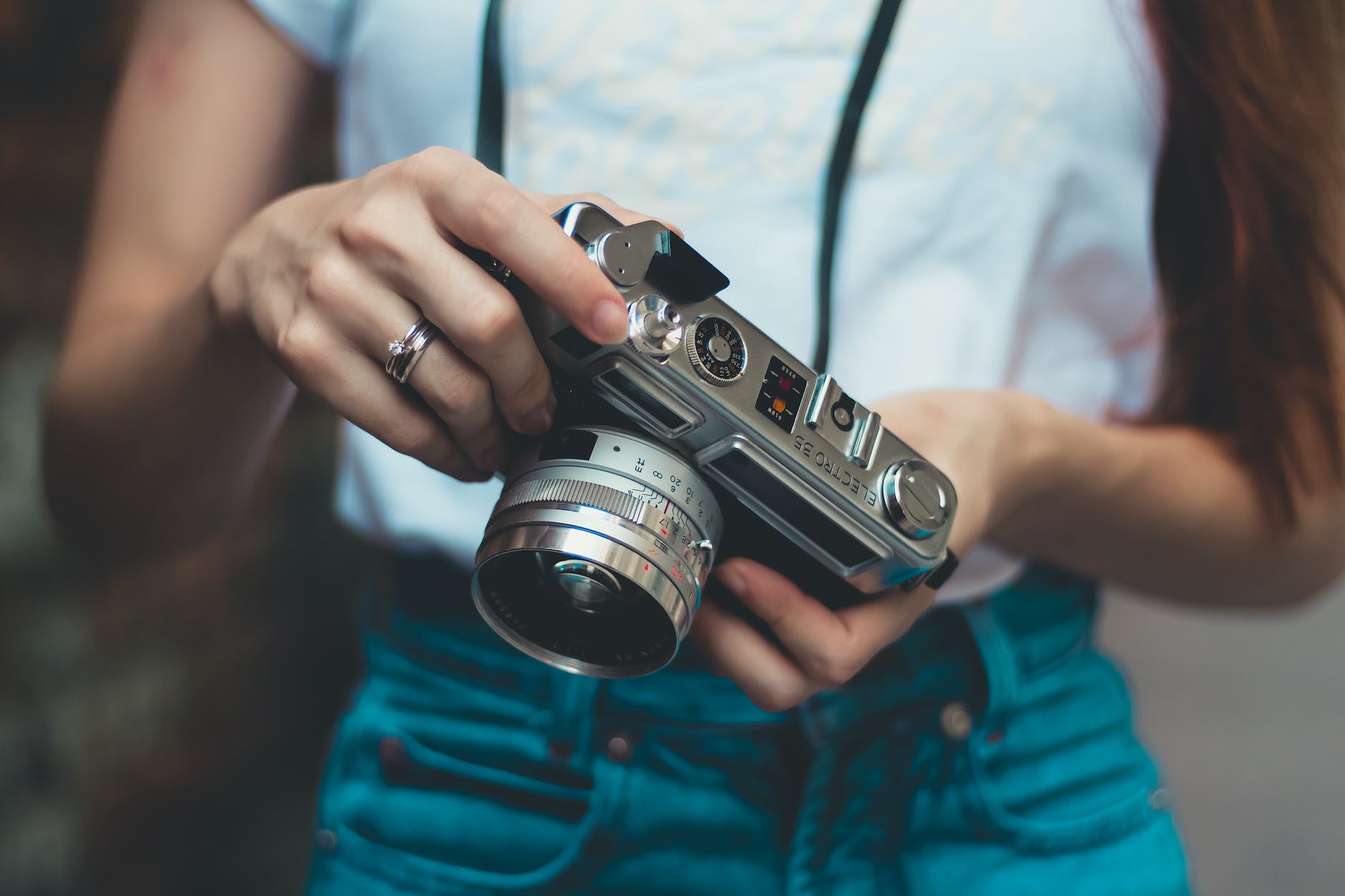
How to Use Aperture Correctly
For example, if you are taking a portrait of a person, you might want to use a wide aperture (low f-stop number) to create a shallow depth of field and blur the background, which will help to draw attention to your subject’s face.
On the other hand, if you are taking a landscape photo, you might want to use a narrow aperture (high f-stop number) to ensure that everything in the scene, from the foreground to the background, is in focus.
It’s important to note that aperture, shutter speed, and ISO are all interrelated and affect each other in various ways. By understanding how each of these elements works, you’ll be able to take more control over your camera and create the images you want.
What is Shutter Speed?
Shutter speed refers to the amount of time that the camera’s shutter is open to allow light to enter. It’s measured in seconds or fractions of seconds, such as 1/1000 or 1/30.
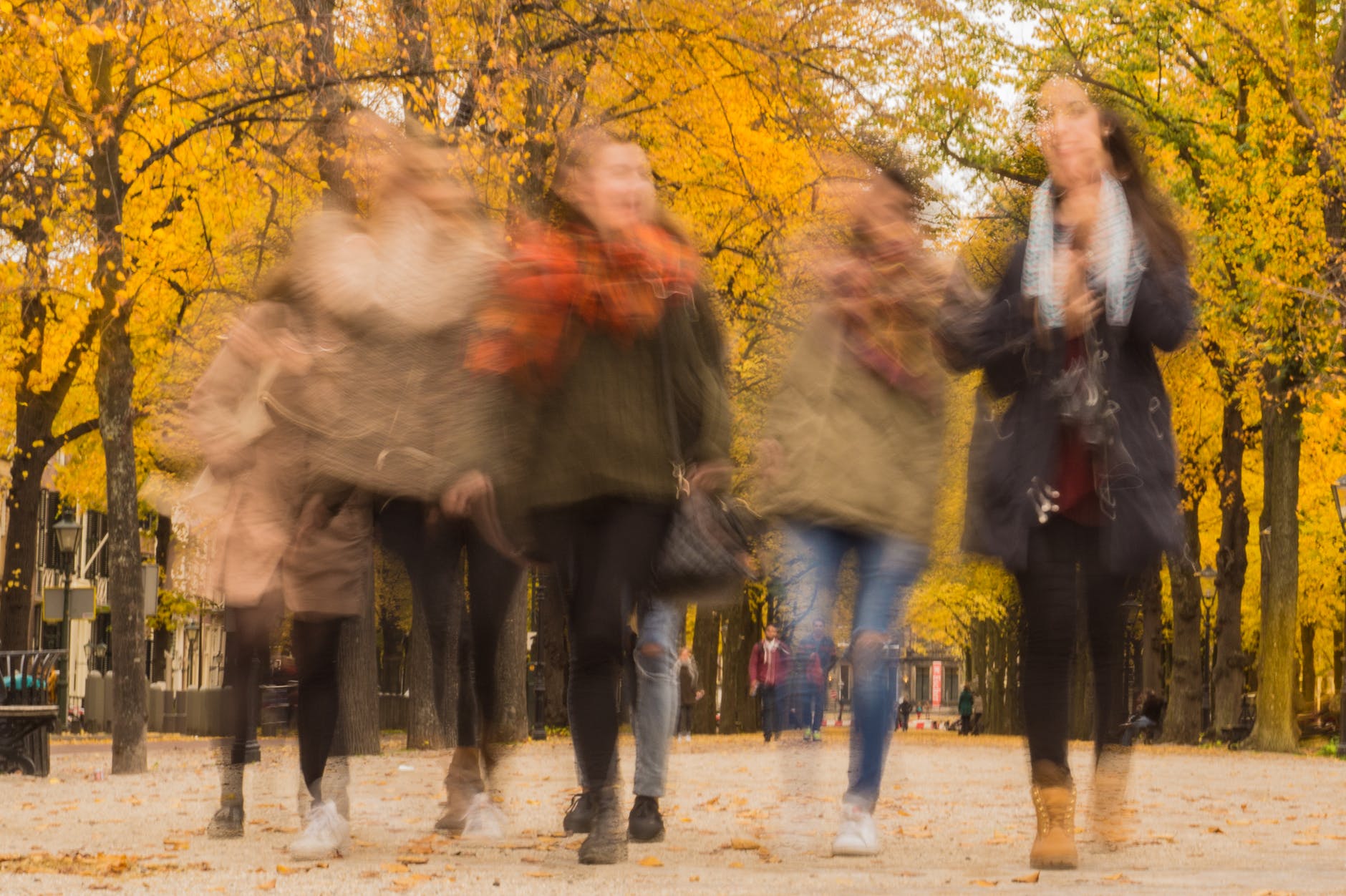
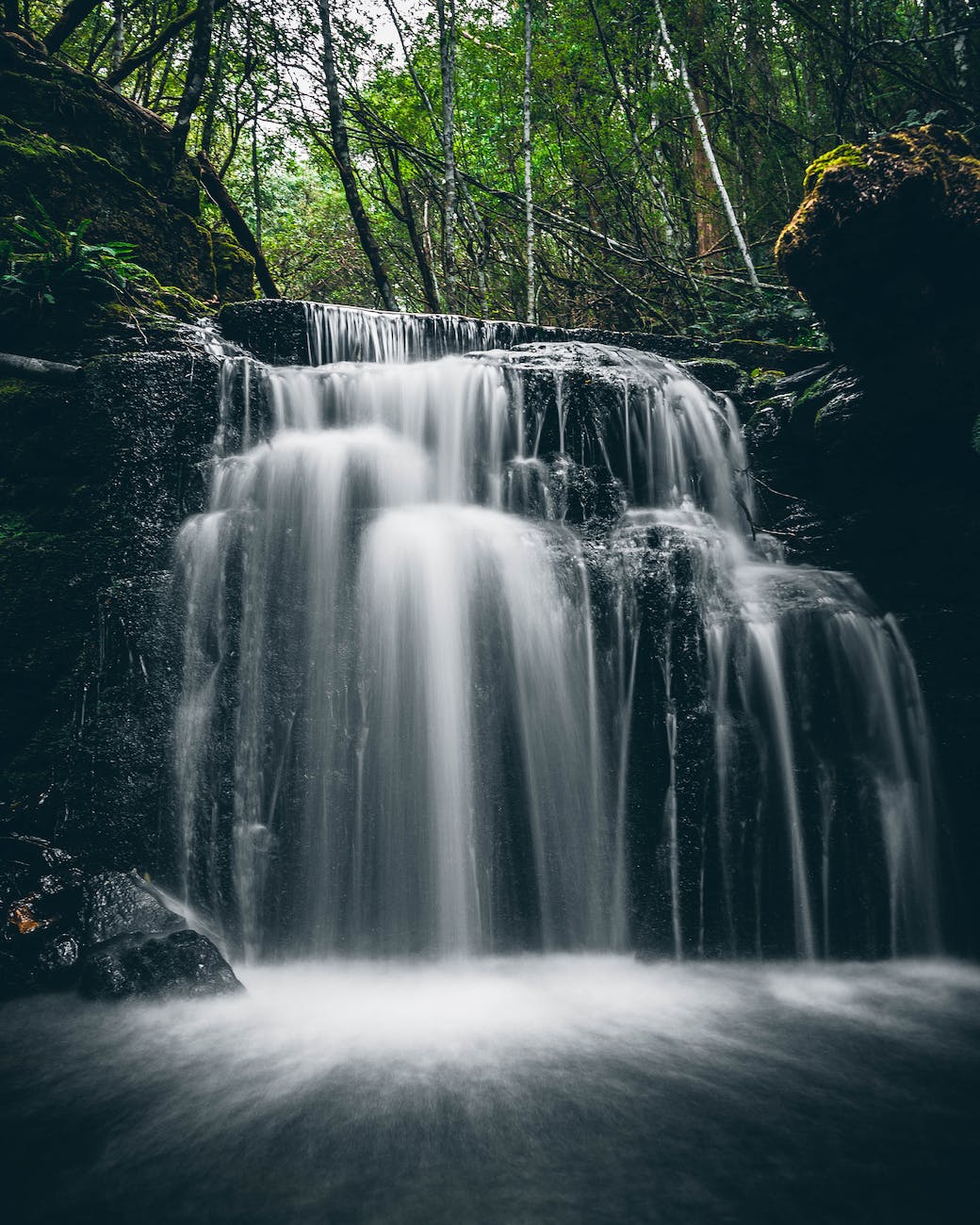
The faster the shutter speed, the less time the shutter is open and the less light that enters the camera. A faster shutter speed is useful for freezing motion, like capturing a bird in flight or a sports player in action. On the other hand, a slower shutter speed (longer exposure time) allows more light to enter the camera but can create motion blur if there is movement in the scene. This can be used creatively to capture the movement of water or a car’s headlights at night.
How to Use Shutter Speed Correctly
For example, if you’re photographing a sports game and you want to freeze the action, you’ll need a faster shutter speed to capture the moment without blur. A shutter speed of 1/1000th or higher might be necessary.
However, if you’re photographing a waterfall and you want to capture the flowing water with a silky smooth look, you’ll need to use a slower shutter speed, such as 1/30 or even slower. It’s important to note that shutter speed, aperture, and ISO all work together to create the exposure of your photo.
For example, if you’re shooting in low light and want to avoid blur, you may need to use a wider aperture (lower f-stop number) or a higher ISO to compensate for the faster shutter speed. Understanding how these three elements work together will help you to take more control over your camera and create the images you want.
ISO
ISO is a term that originated in film photography but is still used in digital photography. It refers to the sensitivity of your camera’s image sensor to light. A low ISO means that your camera is less sensitive to light, while a high ISO means that it is more sensitive to light.
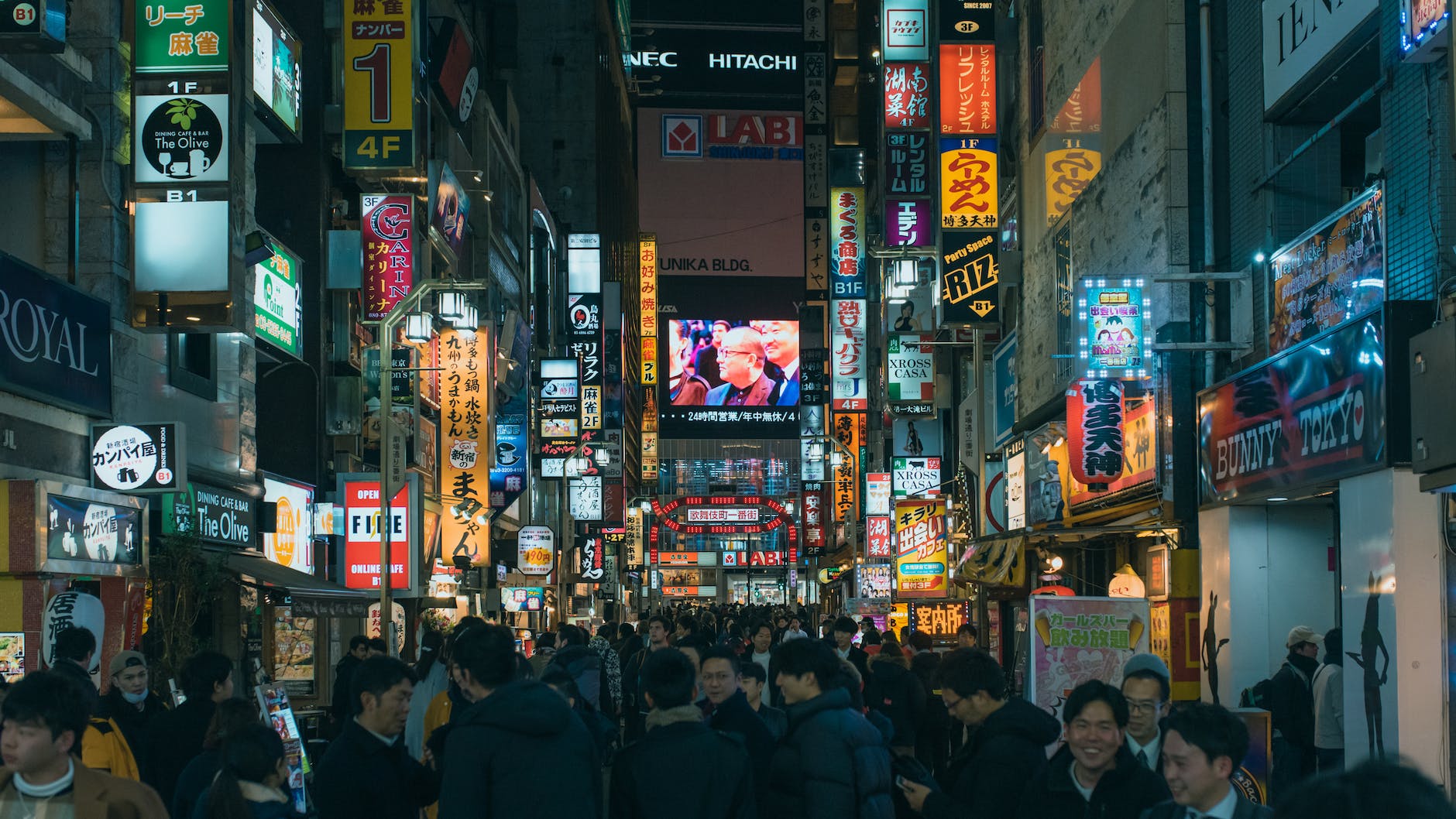
As a beginner photographer, it’s important to understand that increasing the ISO can help you shoot in low-light situations without having to use a slow shutter speed or wide aperture. However, a high ISO can also introduce digital noise or graininess into your photos. This can result in a loss of detail and a reduction in image quality.
What is the ISO Range?
The ISO range on your camera may vary depending on the model, but most cameras will have a range from 100 (low) to 6400 or higher (high). In general, you should try to use the lowest ISO possible for your given situation to minimize noise and maximize image quality. However, there are times when you may need to increase the ISO to get the shot you want.
For example, if you’re shooting indoors without a flash, you may need to increase your ISO to capture enough light to properly expose your subject. On the other hand, if you’re shooting outdoors in bright sunlight, you can usually use a low ISO since there is plenty of available light.
It’s important to note that ISO, aperture, and shutter speed are all interconnected and affect each other in various ways. By understanding how each of these elements works, you’ll be able to take more control over your camera and create the images you want.
 Stephen Walton Photography
Leave a Comment