
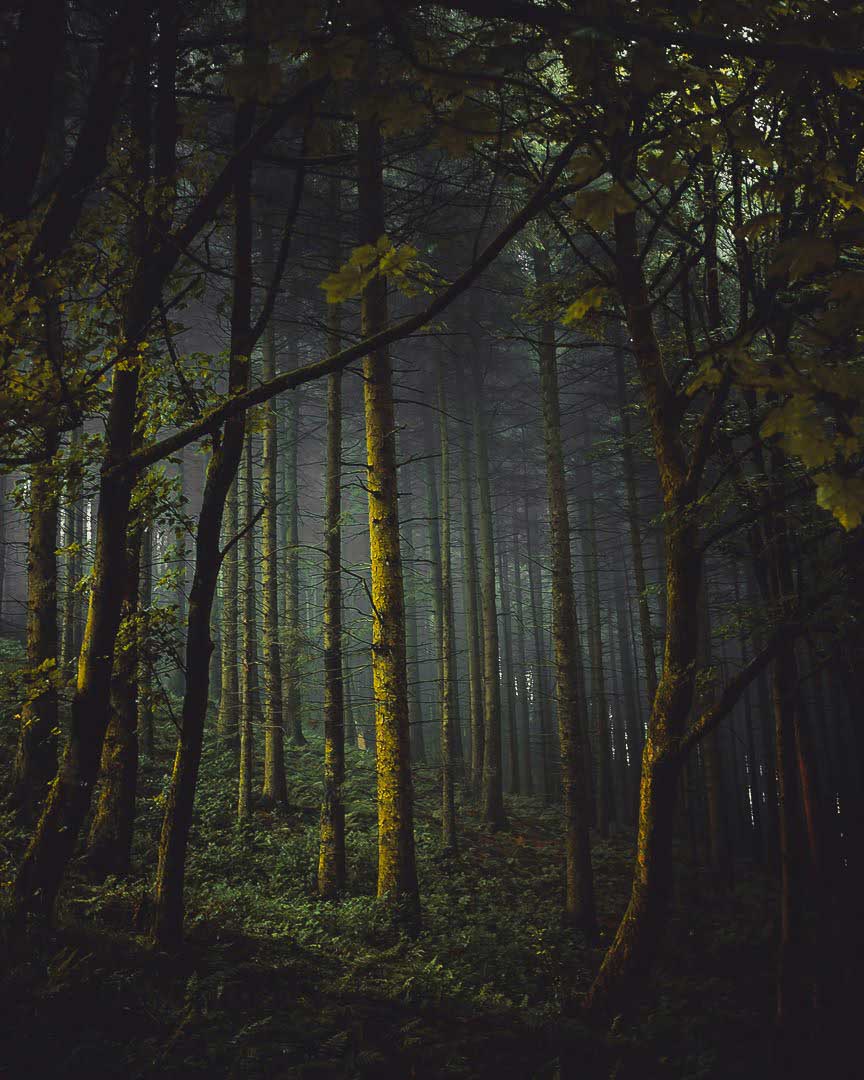
Woodland photography is probably my most favourite area of photography so it pains me when I see poorly taken shots in the forest that are completely avoidable.
I’ve got some markers for your to assess yourself against to know whether you’re taking the best possible woodland photo – or not.
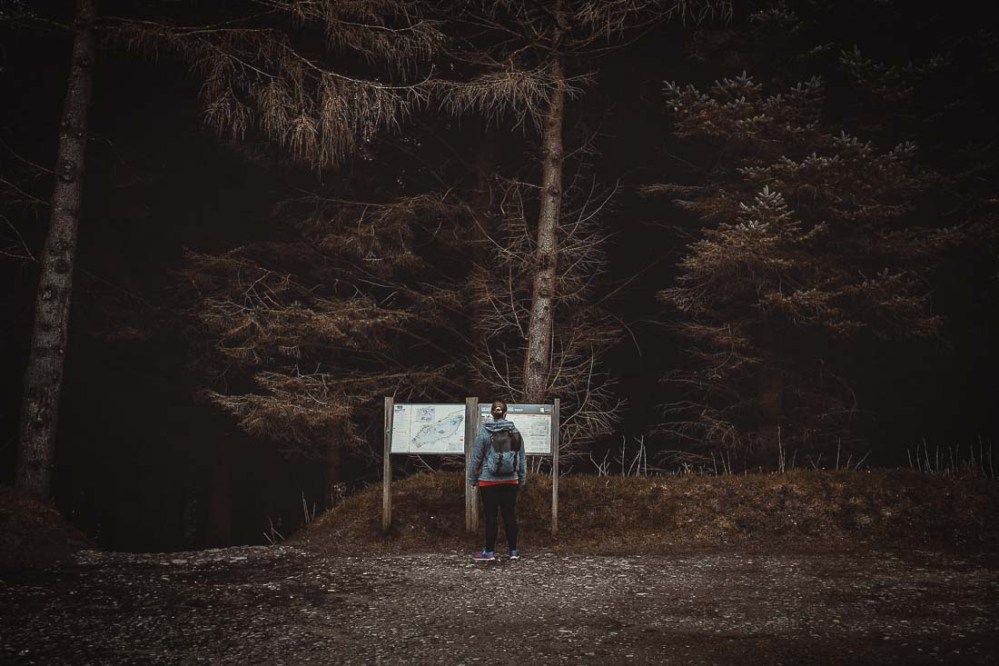
1. Keep Away from Bare Branches
Shooting woodlands in the winter is a tricky challenge as the bare branches can make a photo chaotic with lots of thin, non-conforming lines crisscrossing the frame. Do you best to avoid photos with lots of bare branches and instead reduce the depth of field and focus on one or the main tree trunk instead.

2. Avoid Shooting into the Shade
Light is what makes photography special and beautiful so ignoring it only serves to produce bad woodland photography. Look out for pools of light as the sun hits the forest floor. Pointing your camera at shaded areas will make subjects look flat and texture-less.
You’ll need to do more work in post-production to achieve the results you wanted because you didn’t seek out the right light in the first place. It’s not a bad idea to have your own small daylight-balanced pocket LED light in your bag to add in when needed.
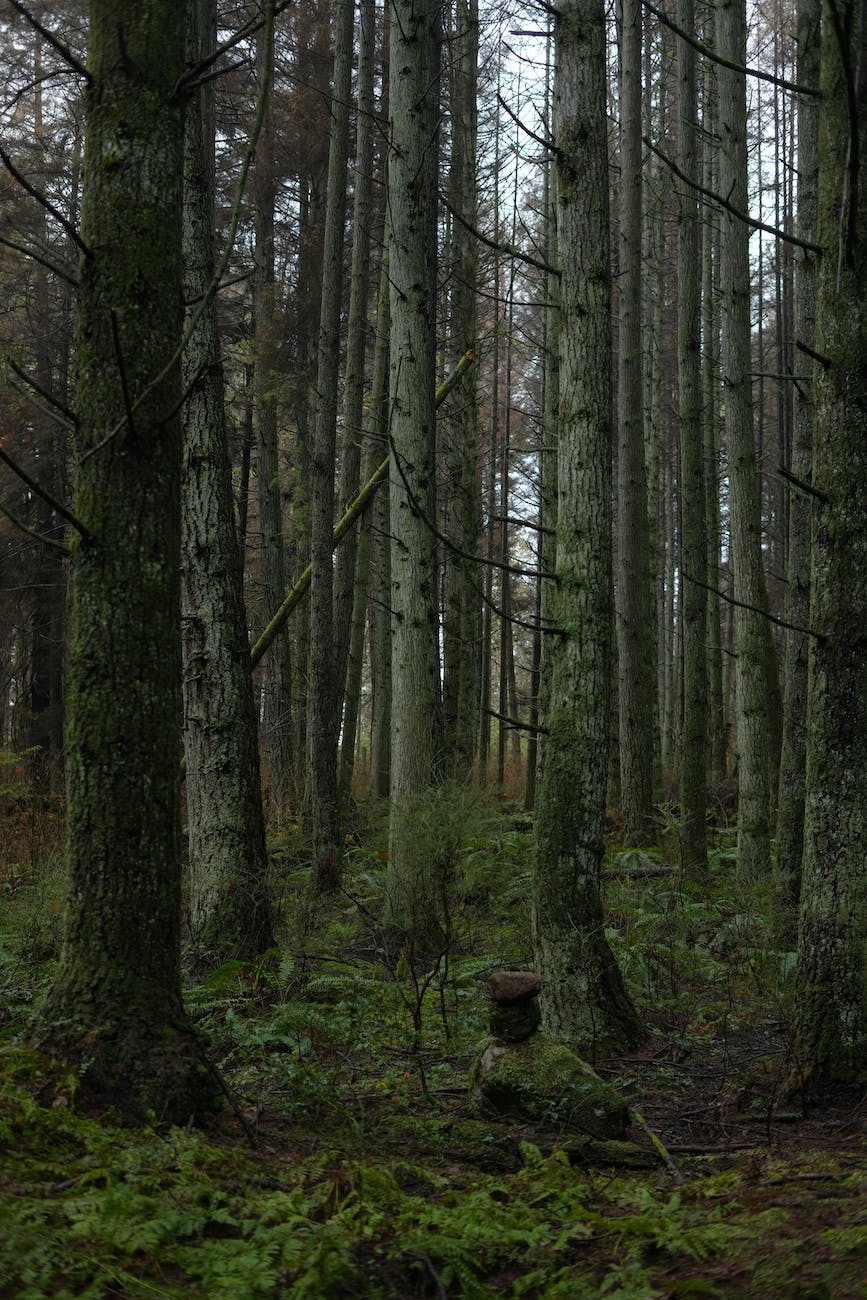
3. Don’t Shoot at Standing Level
Taking photos at your own eye level in nature should carry a fine – seriously. All it takes is a drop of the knee, a camera tilt or another angle to make it far more interesting.
You’ll only end up with bad woodland photographs if you’re always taking them at standing level. That’s a point of view that everyone sees when they’re in the woods so you’re not offering something different. Mix up the angles and camera height. Use the articulating screen to compose if you can’t crouch down.
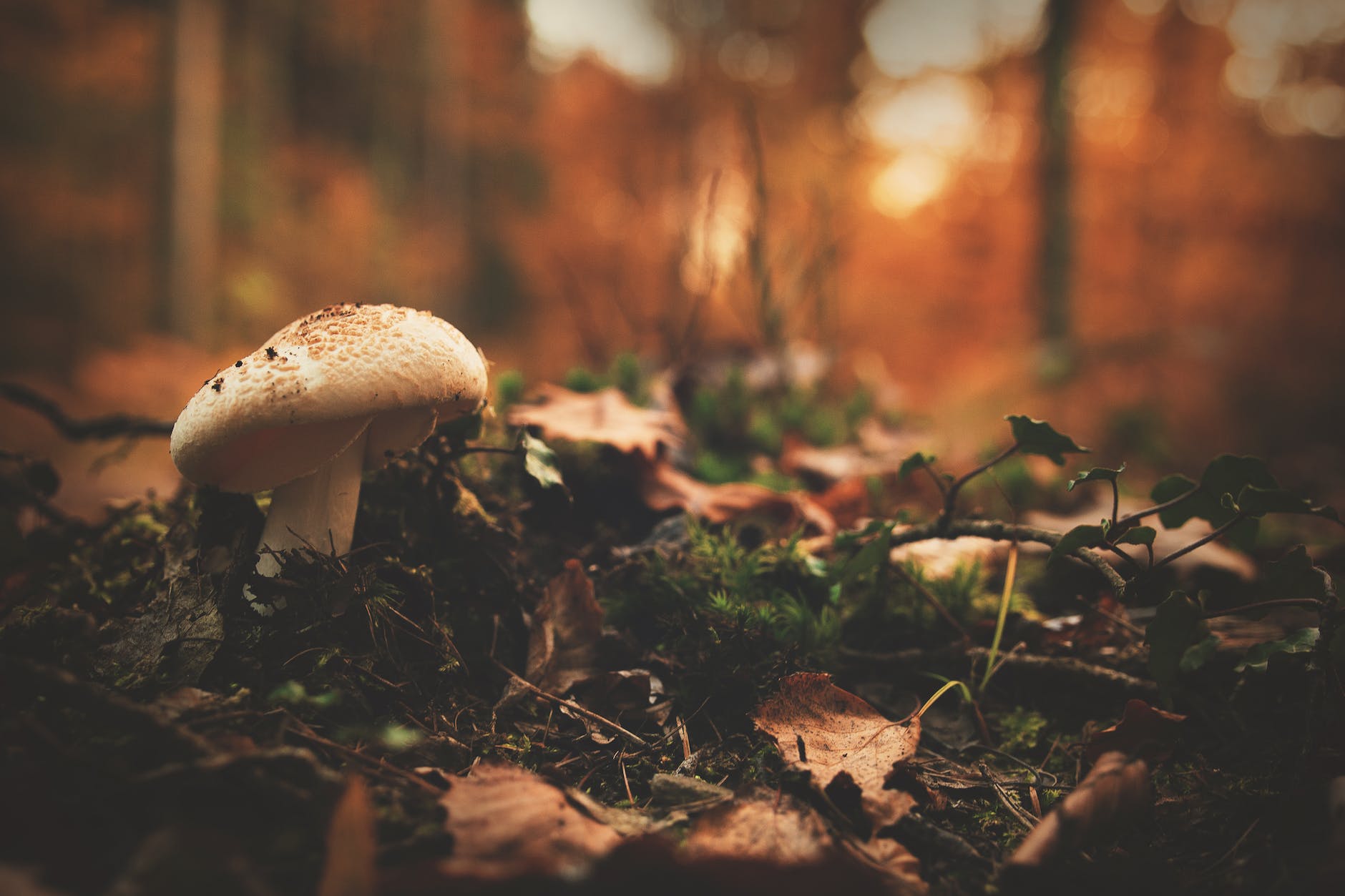
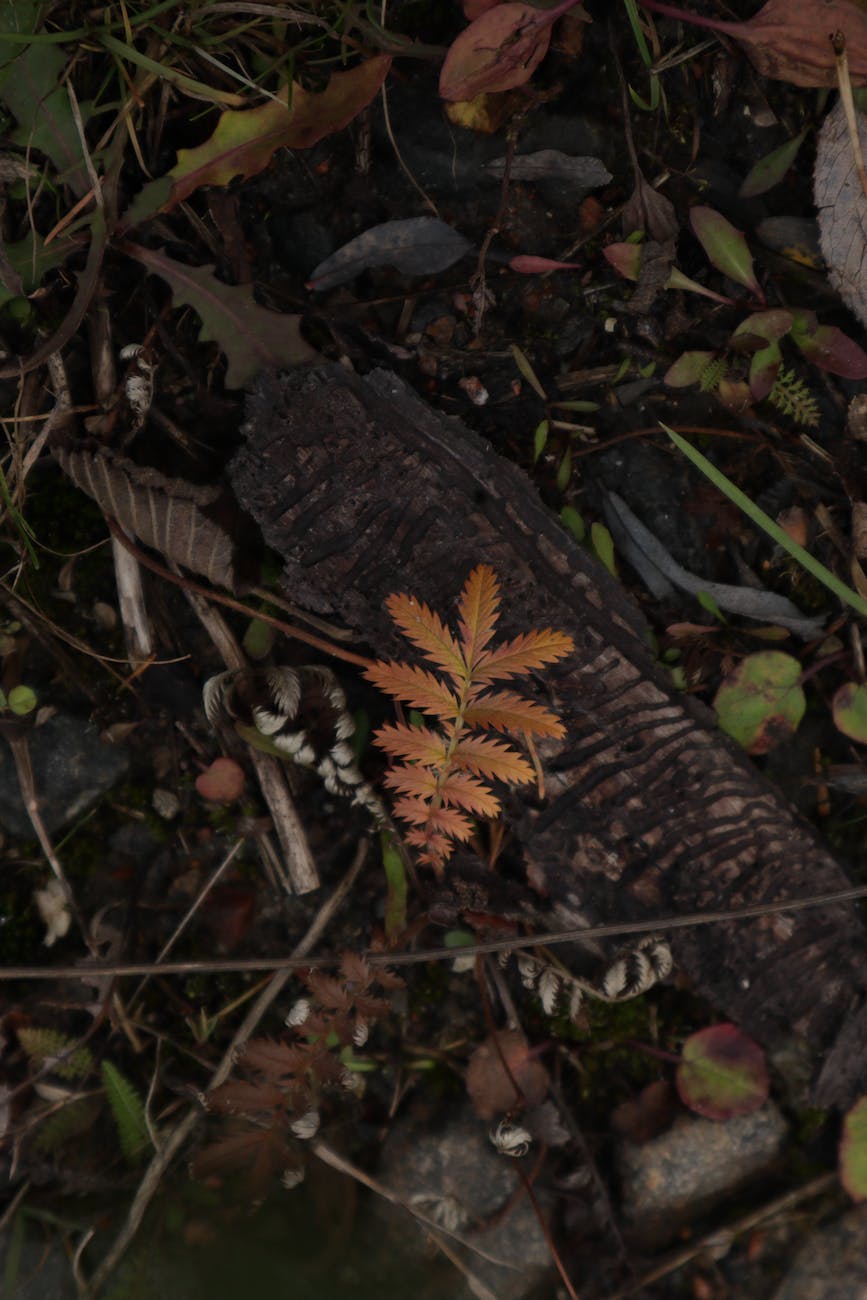
4. Forgetting to Look Down
Walking through the woodland gazing up at the tall trees and looking for something interesting to shoot means you’re missing a whole other micro-environment of potential subjects.
Look down instead and pay attention to the fallen leaves, stones, tree bark, acorns, insets, moss and more. With a macro lens then the forest floor becomes a much more interesting to a photographer. Walk along the edge of the main trail to avoid standing on potential subjects.
5. Get Closer to Your Subject
Too many potentially good woodland photographs aren’t close enough to the main subject. Whether that’s because you couldn’t be bothered moving closer or thought you could crop tighter in post it doesn’t matter.
“If your shot isn’t good enough – you weren’t close enough”
If you move closer to your subject you’ll see more, learn more, discover what else you could exposure in your photo. Of course, be conscious and kind to the plants and trees around you. Avoid destroying things just to get closer, but where you can, move in and capture shots with a clearer purpose, impact and detail.
Bad Woodland Photography Summary
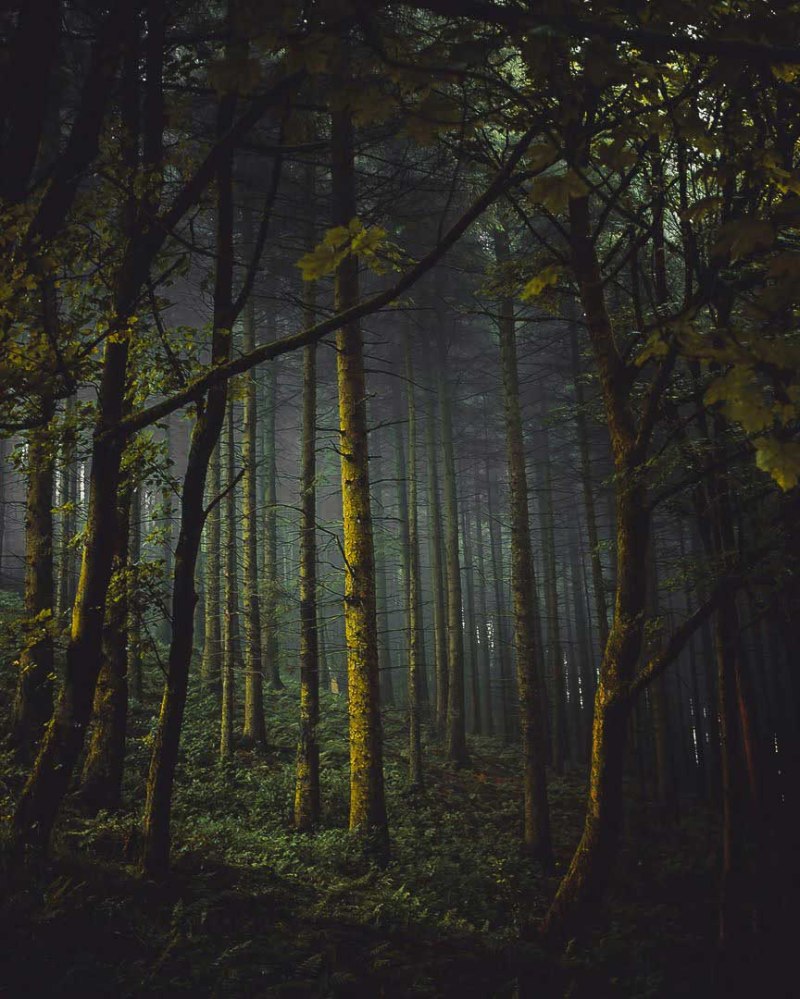
Hopefully recognising the signs of sub-par woodland photography gives you a target of what to avoid the next time you’re out in the forest with your camera.
 Stephen Walton Photography
Leave a Comment