
Photo storytelling is a powerful medium that can convey a story or message with just a few well-crafted images.
It is a form of visual storytelling that has the power to engage an audience, evoke emotions, and communicate complex ideas.
In this article, I will explore the different aspects of photo storytelling, including its history, techniques, and its significance in our modern world.
When Did Photo Storytelling Begin?
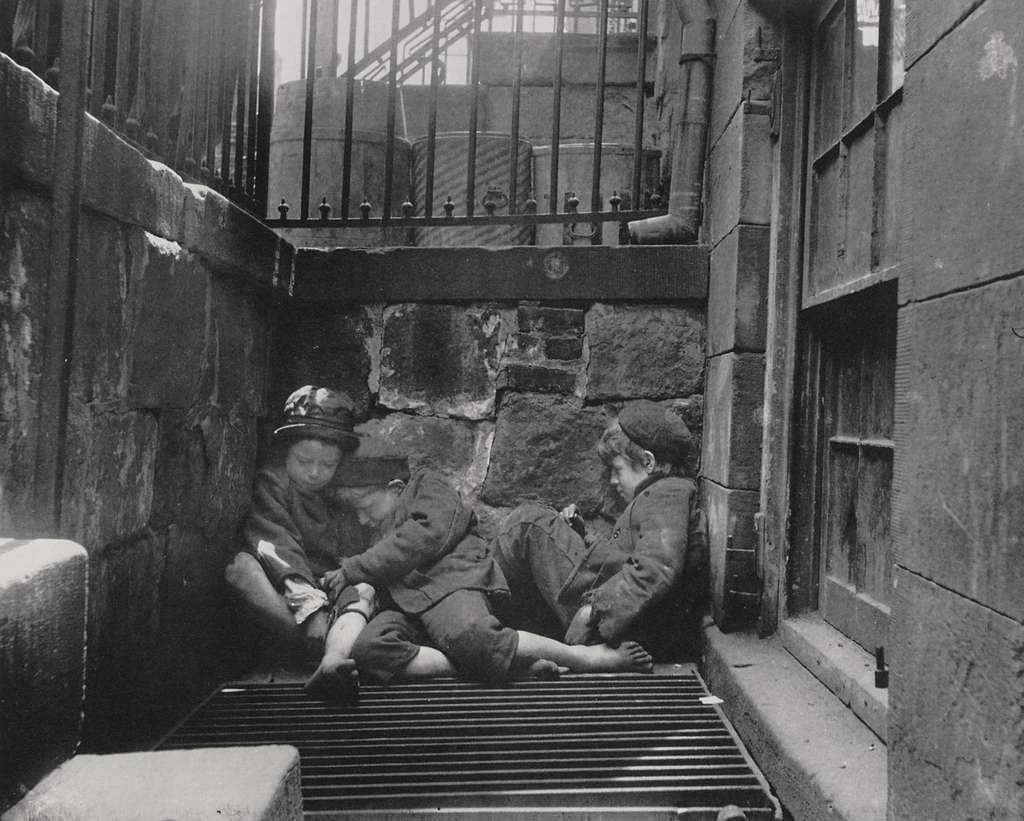
Photo storytelling has been around since the earliest days of photography. In the 19th century, photographers like Jacob Riis used photographs to document the living conditions of the poor in New York City.
These images served as a powerful tool for raising awareness of the social problems of the time. Riis’s photographs were accompanied by written narratives that further contextualized the images, providing a more complete story.
Today, photo storytelling has become an essential tool for journalists, marketers, activists, and artists. It allows them to communicate their message in a way that is engaging, emotionally resonant, and easily shareable.
The rise of social media has made photo storytelling even more accessible, allowing anyone with a smartphone to share their stories with the world.
What is Photo Storytelling?
The process of photo storytelling begins with selecting a series of images that collectively tell a story. The images should be carefully chosen to create a narrative arc, with each image building on the one before it. The order of the images is crucial, as it determines the pacing and flow of the story.
In addition to the order of the images, the composition of each photograph is also important. A well-composed photograph can convey a lot of information in a single image. Elements such as lighting, color, and framing can all contribute to the emotional impact of the image.
The photographer must consider these elements when taking the photograph, as well as when editing the final set of images.
Do Photos Need a Caption?
Captions or text can also be used to provide context or additional information. A caption can help to clarify the message of the image, provide background information, or guide the viewer’s interpretation. However, captions should be used sparingly, as too much text can detract from the power of the images themselves.
One of the most significant aspects of photo storytelling is its ability to evoke emotions in the viewer. A well-crafted photo can convey a range of emotions, from joy and wonder to sadness and despair. Emotions are essential for engaging an audience and getting them to care about the story being told.

Who is Photo Storytelling for?
Photo storytelling can be used for a wide range of purposes, from raising awareness about social issues to promoting a product or service. For example, photojournalists use photo storytelling to document events and share them with a wider audience.
Advocates and activists use photo storytelling to draw attention to social issues and inspire action. Marketers use photo storytelling to create a connection between their brand and their audience.
Photo Storytelling Conclusion
In conclusion, photo storytelling is a powerful medium that has been used for over a century to tell stories and convey messages. It is a form of visual storytelling that requires careful selection and composition of images, as well as an understanding of the emotional impact of those images.
Photo storytelling is an essential tool for journalists, activists, marketers, and artists, and it has become even more accessible in our modern world with the rise of social media.
 Stephen Walton Photography
Leave a Comment