
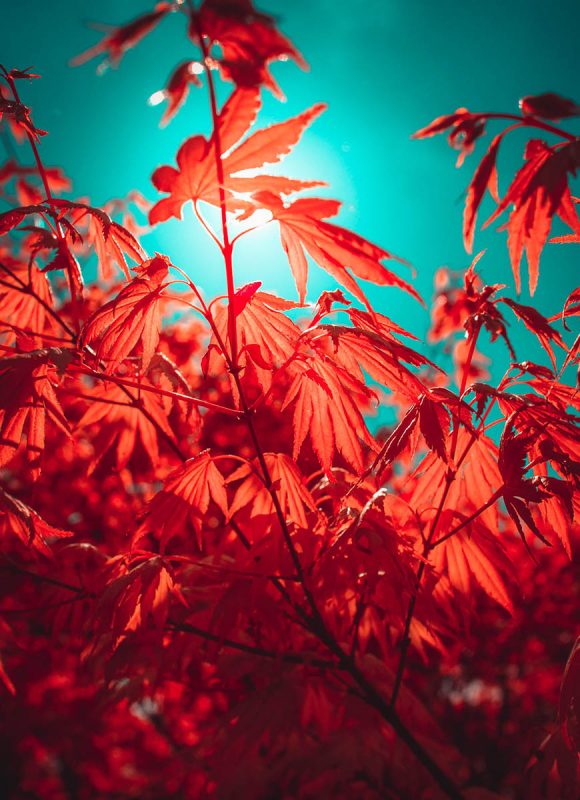
Woodland photography can be a great way to capture the beauty of nature and create stunning images. However, to truly stand out and create unique and creative shots, it’s important to experiment with different camera modes and techniques.
In this guide, I will explore some creative camera modes in woodland photography, including using the manual mode, aperture priority mode, and high-speed sync mode.
1. Manual Mode
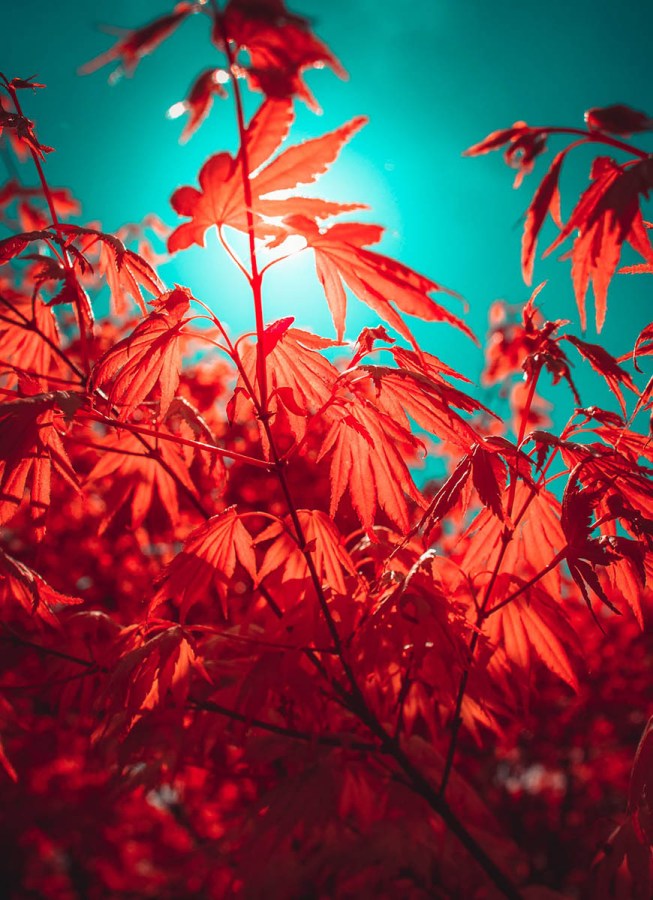
One of the most creative and versatile camera modes for woodland photography is the manual mode. In this mode, the photographer has full control over all the camera settings, including shutter speed, aperture, and ISO. This allows the photographer to fine-tune their settings to create a unique and creative shot.
For example, the photographer can use a slower shutter speed to capture motion and movement, or a faster shutter speed to freeze the action.
They can also use a wide aperture to create a shallow depth of field and isolate the subject from the background or use a narrow aperture to capture more of the scene in focus.
2. Aperture Priority Mode
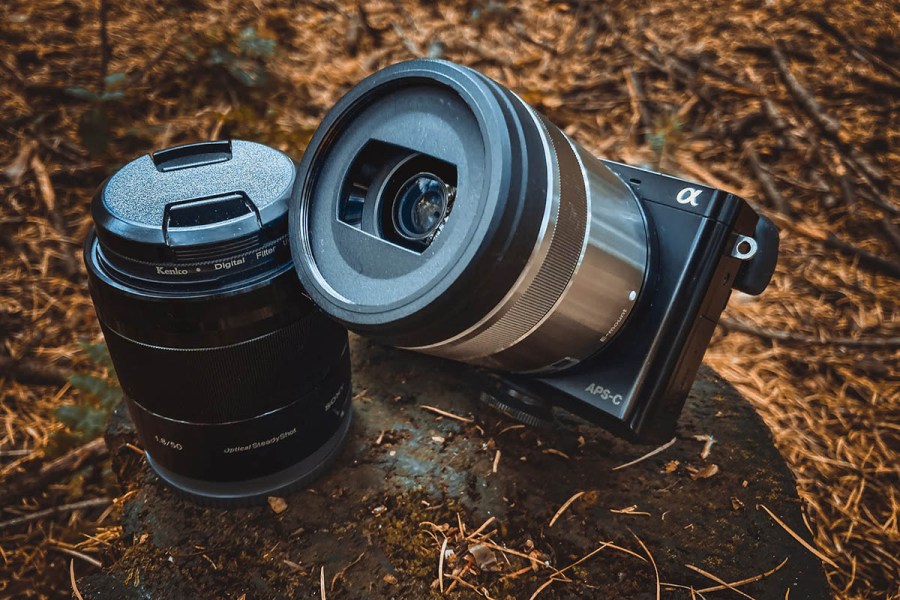
Another useful camera mode for woodland photography is the aperture priority mode. In this mode, the photographer sets the desired aperture, and the camera automatically adjusts the shutter speed to create a proper exposure. This allows the photographer to focus on creative composition and depth of field.
For example, the photographer can use a wide aperture to create a shallow depth of field and isolate the subject from the background or use a narrow aperture to capture more of the scene in focus.
This can be particularly useful when photographing close-up shots of flowers, insects, or other small subjects.
3. High Speed Flash Sync Mode
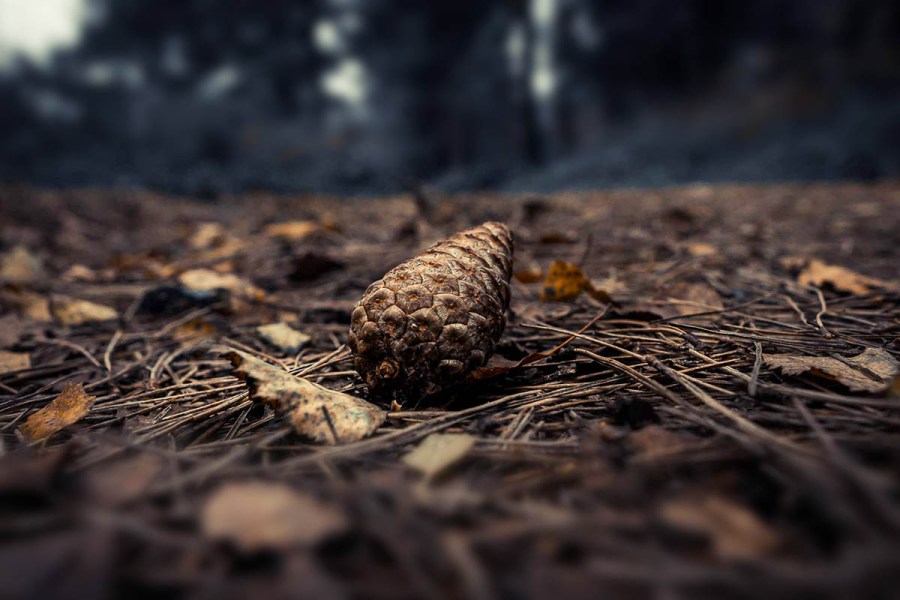
High-speed sync mode is another useful camera mode for woodland photography, particularly when shooting in bright sunlight. This mode allows the photographer to use a faster shutter speed than the camera’s maximum sync speed, which is typically around 1/250th of a second.
This can be useful when using a flash to fill in shadows or add a pop of light to the subject. By using high-speed sync mode, the photographer can use a faster shutter speed to freeze the motion and create a sharp and detailed image, even in bright sunlight.
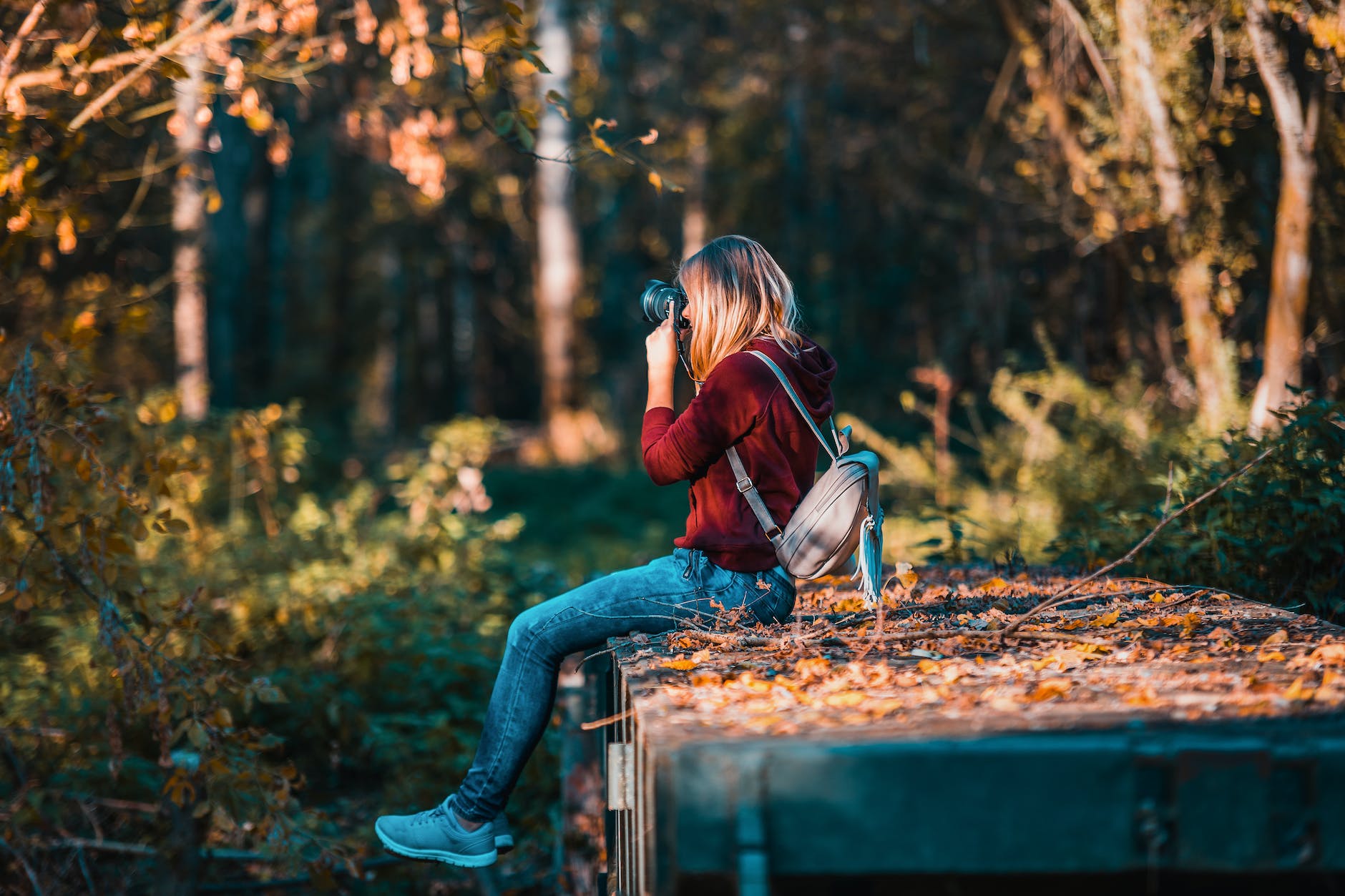
4. Creative White Balance
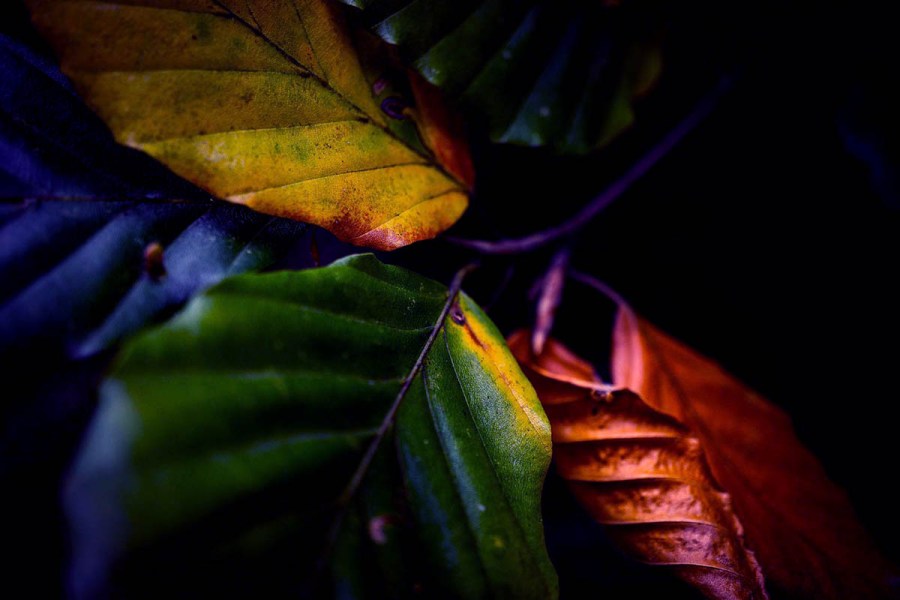
Another way to create unique and creative shots in woodland photography is by experimenting with the white balance settings. White balance is the camera’s way of adjusting the color temperature of the image, based on the type of light in the scene.
By adjusting the white balance, the photographer can create a warm or cool tone to the image, depending on their creative vision. For example, the photographer can use a warm white balance setting to create a cozy and inviting atmosphere in the woodland scene, or a cool white balance setting to create a mysterious and moody atmosphere.
5. Panoramic Mode
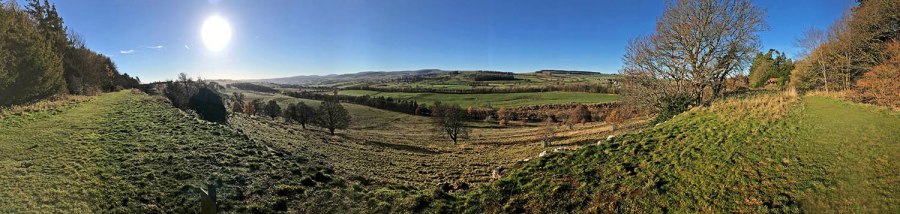
Panoramic mode can be a useful camera mode for capturing the expansive beauty of woodland scenes. This mode allows the photographer to capture a wider angle of view than is possible with a single shot, by stitching together multiple images.
This can be particularly useful when photographing expansive vistas or landscapes. By using the panoramic mode, the photographer can create a stunning and immersive image that captures the beauty of the entire woodland area.
5 Creative Camera Modes in Woodland Photography: Final Words
In conclusion, there are many creative camera modes and techniques that can be used in woodland photography to create unique and stunning images.
By experimenting with different camera modes, such as manual mode, aperture priority mode, and high-speed sync mode, as well as creative white balance and panoramic mode, the photographer can create truly exceptional woodland photography that captures the beauty and magic of the natural world.
 Stephen Walton Photography
Leave a Comment