
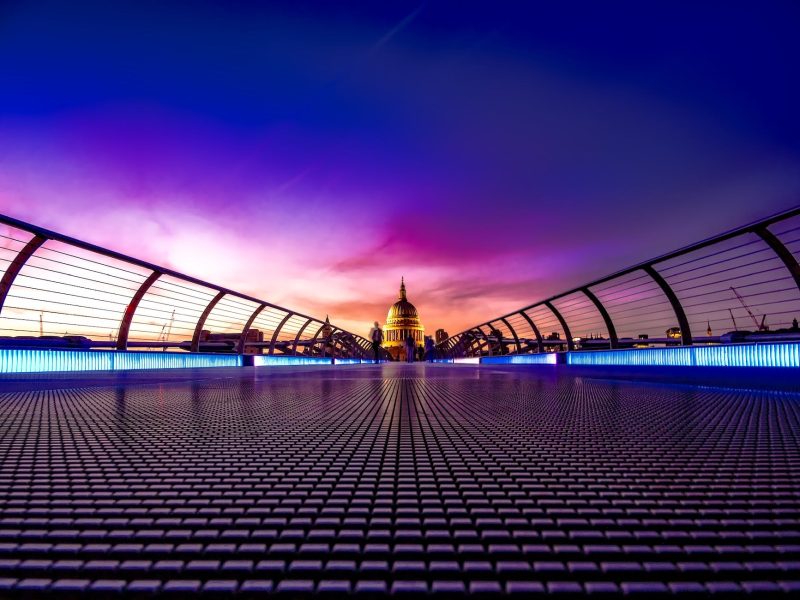
Cityscapes and architecture are popular subjects for many photographers. They offer a wealth of interesting shapes, lines, and textures that can be used to create compelling images.
However, shooting cityscapes and architecture can also be challenging, as it often involves dealing with difficult lighting conditions and complex compositions.
In this blog post, we will provide some tips and techniques for beginners who want to improve their cityscape and architecture photography skills.
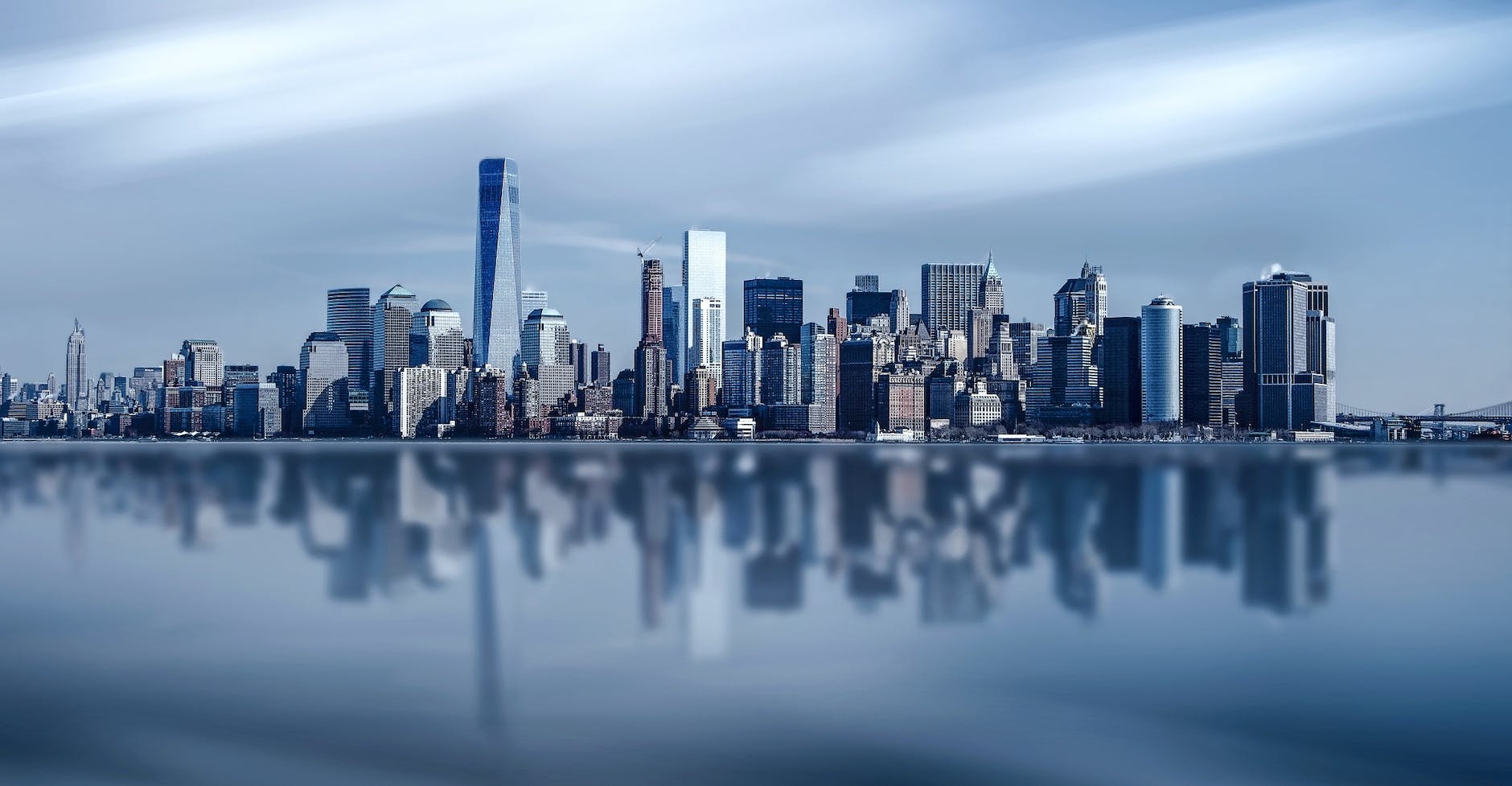
1. Choose the Right Time of Day
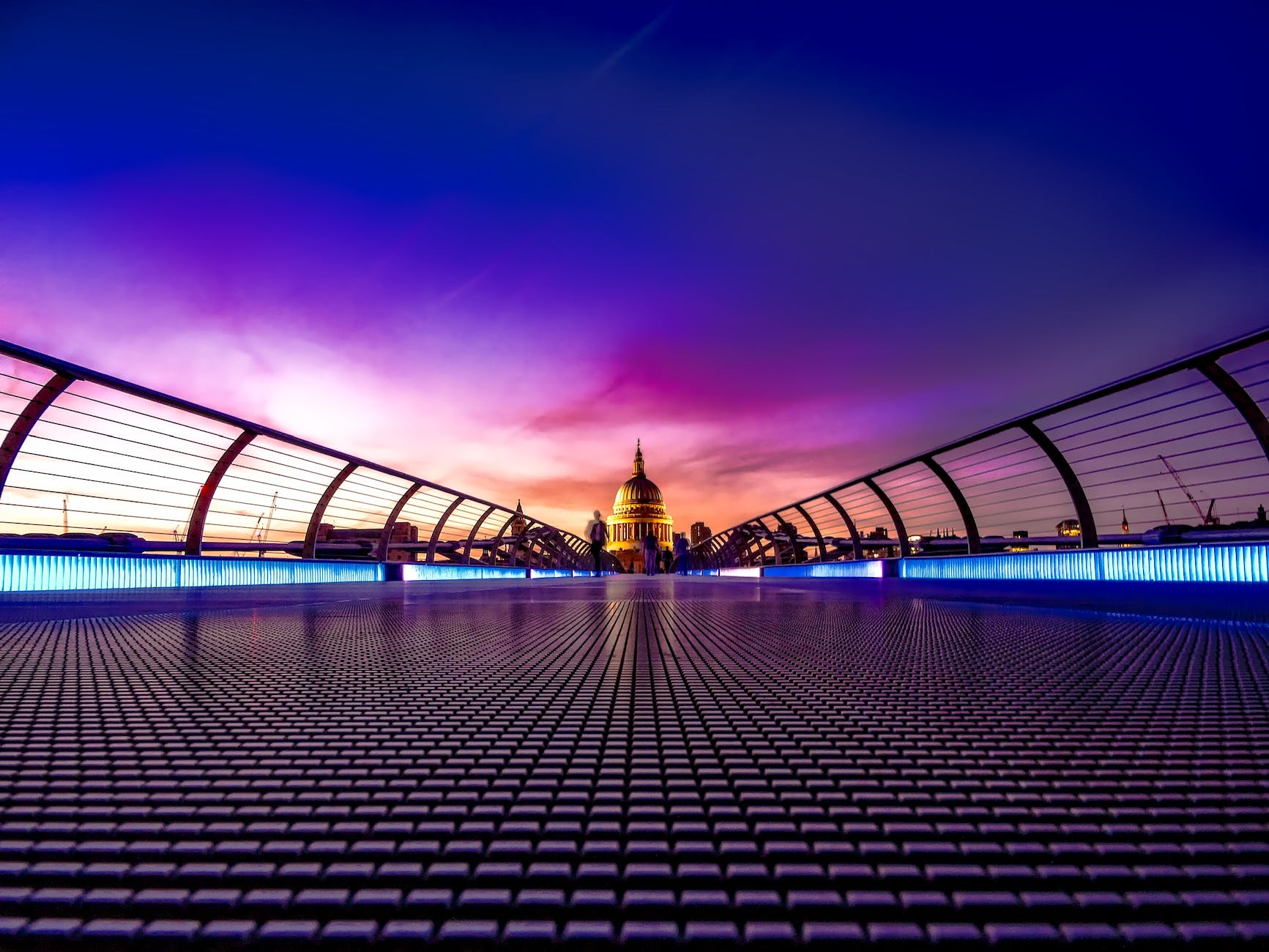
The best time to shoot cityscapes and architecture is during the golden hours – the hour after sunrise and the hour before sunset. During these times, the light is warm and soft, which can create beautiful, atmospheric images. Shooting during these times can also help to avoid harsh shadows and blown-out highlights, which can be problematic during midday.

2. Experiment with Angles and Perspectives
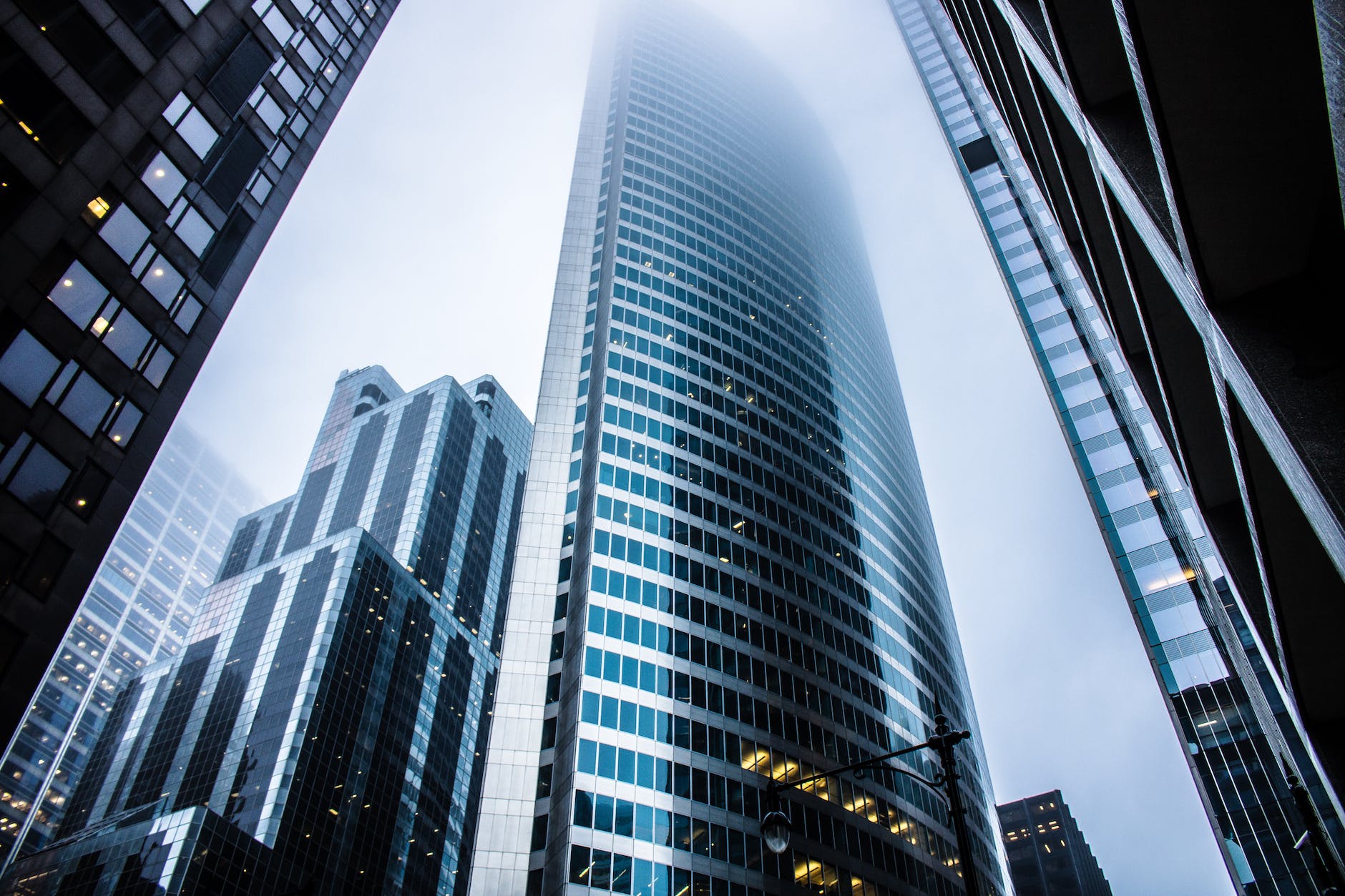
When shooting cityscapes and architecture, it’s important to experiment with different angles and perspectives. Try shooting from different heights, such as standing on a tall building or lying on the ground. This can help to create interesting compositions and add depth to your images. Additionally, try shooting from different angles, such as shooting straight up or down, or from a diagonal angle. This can help to create unique and visually interesting images.
3. Use a Wide-Angle Lens
A wide-angle lens is a great tool for shooting cityscapes and architecture. It can help to capture the grandeur and scale of buildings and allow you to include more of the scene in your images. Additionally, a wide-angle lens can create a sense of depth and perspective in your images, which can be very effective when shooting architecture.
4. Pay Attention to the Skyline
The skyline is an important element in cityscape photography. It helps to create context and can add a sense of drama to your images. Pay attention to the skyline when shooting cityscapes and architecture, and try to incorporate it into your compositions. Look for interesting shapes and lines, and try to find ways to frame your subject against the skyline.
5. Play with Light and Shadows
Cityscapes and architecture often involve a lot of contrast between light and shadow. This can be used to create interesting and dynamic images. Look for areas of light and shadow in your scene, and try to use them to create contrast and visual interest. For example, you could shoot a building with a strong shadow cast across it, or shoot a street scene with the sun creating strong, directional light.
6. Pay Attention to Details
When shooting cityscapes and architecture, it’s important to pay attention to the details. Look for interesting textures, patterns, and shapes that can add visual interest to your images. Additionally, pay attention to the colours and tones in your scene, and try to use them to create a cohesive and visually pleasing image.
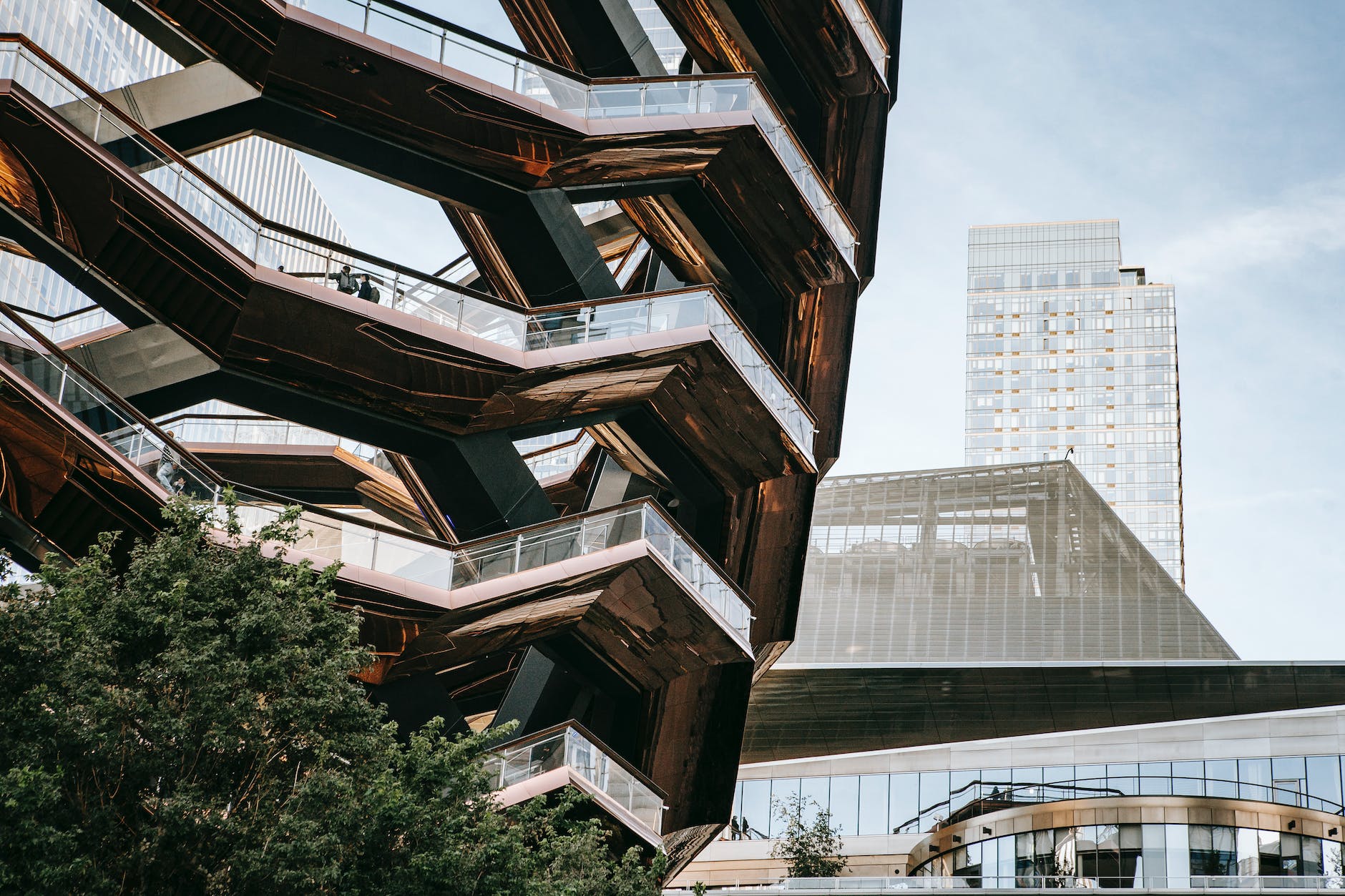
7. Consider Using a Tripod
A tripod can be very useful when shooting cityscapes and architecture. It can help to stabilize your camera and prevent camera shake, which can be particularly important when shooting in low light conditions. Additionally, a tripod can help to keep your camera level and steady, which can be very useful when shooting buildings and other architectural features.
Summary
In conclusion, shooting cityscapes and architecture can be a rewarding and challenging experience for beginner photographers. By experimenting with angles and perspectives, using a wide-angle lens, and paying attention to the skyline, light, and details, you can create compelling images that capture the essence of your subject.
Additionally, using a tripod and shooting during the golden hours can help you to create technically sound and visually stunning images.
 Stephen Walton Photography
Leave a Comment