
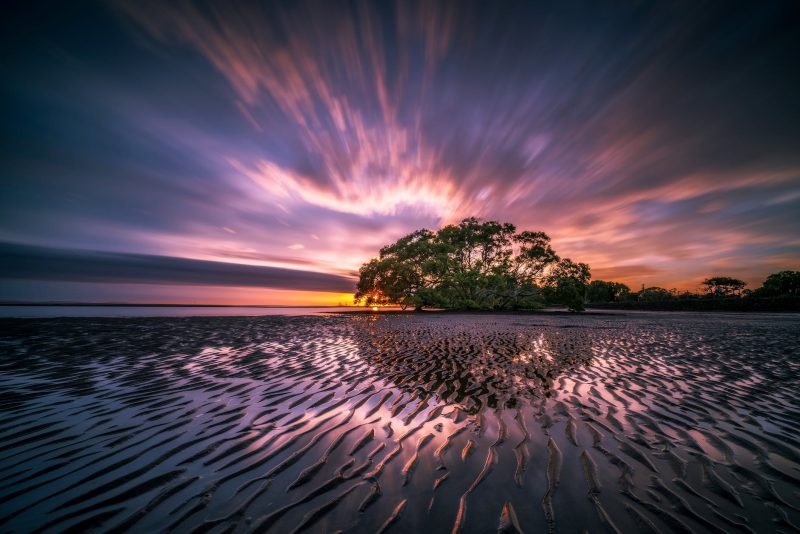
Landscape photography is all about capturing the beauty of nature. Whether you’re photographing a mountain range, a forest, or a coastline, there are certain camera settings, angles, and compositional tools that can help you create stunning images.
In this post, we’ll explore some of the best camera settings for landscape photography, how to choose the best angle, and what the best compositional tools are to help you take your landscape photography to the next level.
Camera Settings for Landscape Photography
One of the most important aspects of landscape photography is getting the right exposure. Here are some camera settings that can help you achieve the perfect exposure:
Aperture: A smaller aperture (higher f-number) can help you get more depth of field, which is useful when you want to capture a wide landscape. However, a larger aperture (lower f-number) can create a shallower depth of field and make your subject stand out more.
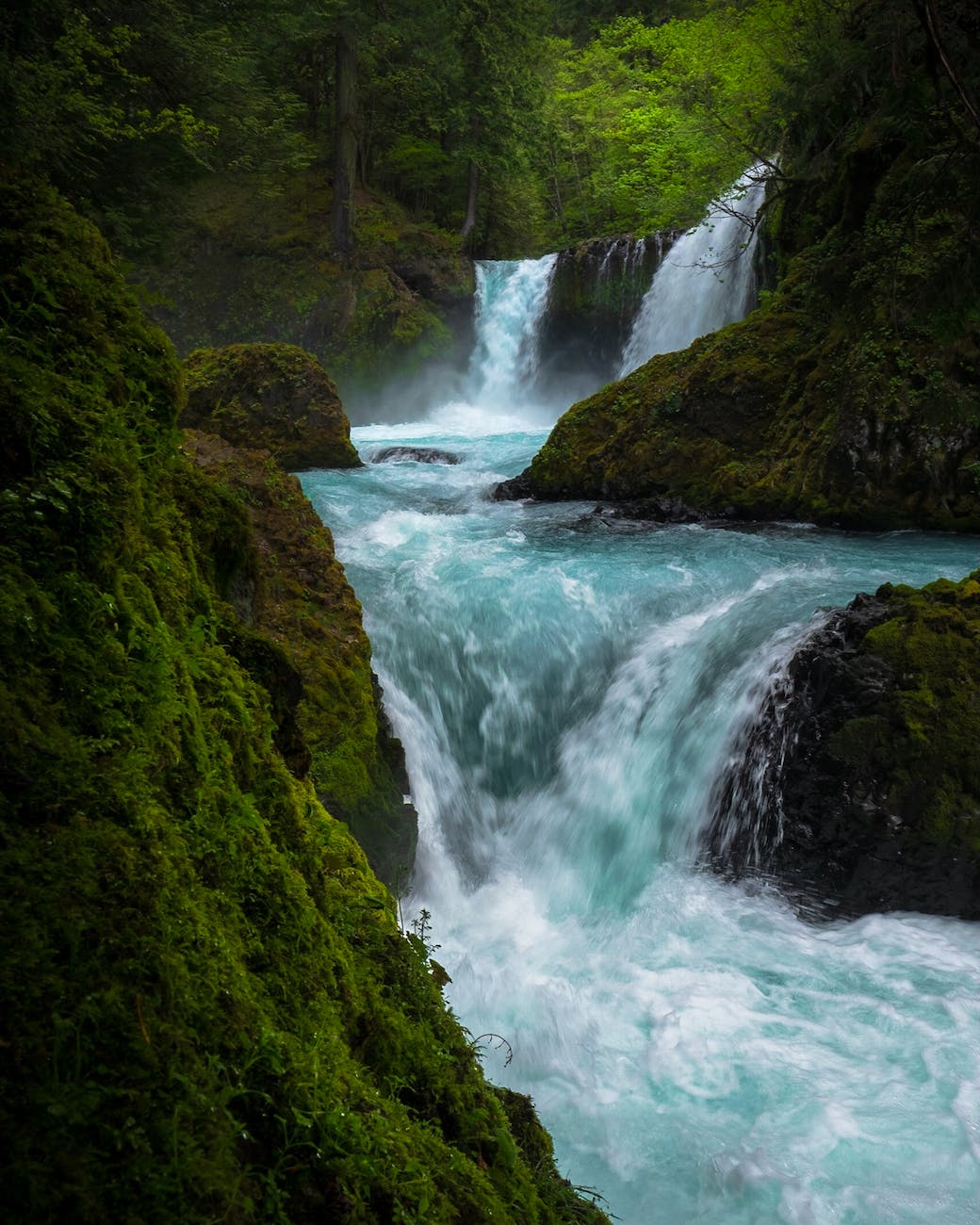
Shutter Speed: Use a tripod to help you shoot with a slower shutter speed, which can help you capture more detail and a smoother look in your landscape. A faster shutter speed is useful for capturing fast-moving elements like clouds or waterfalls.
ISO: Use a low ISO to minimise the noise in your images, but be willing to increase it if you need to compensate for low light.

Choosing the Best Angle
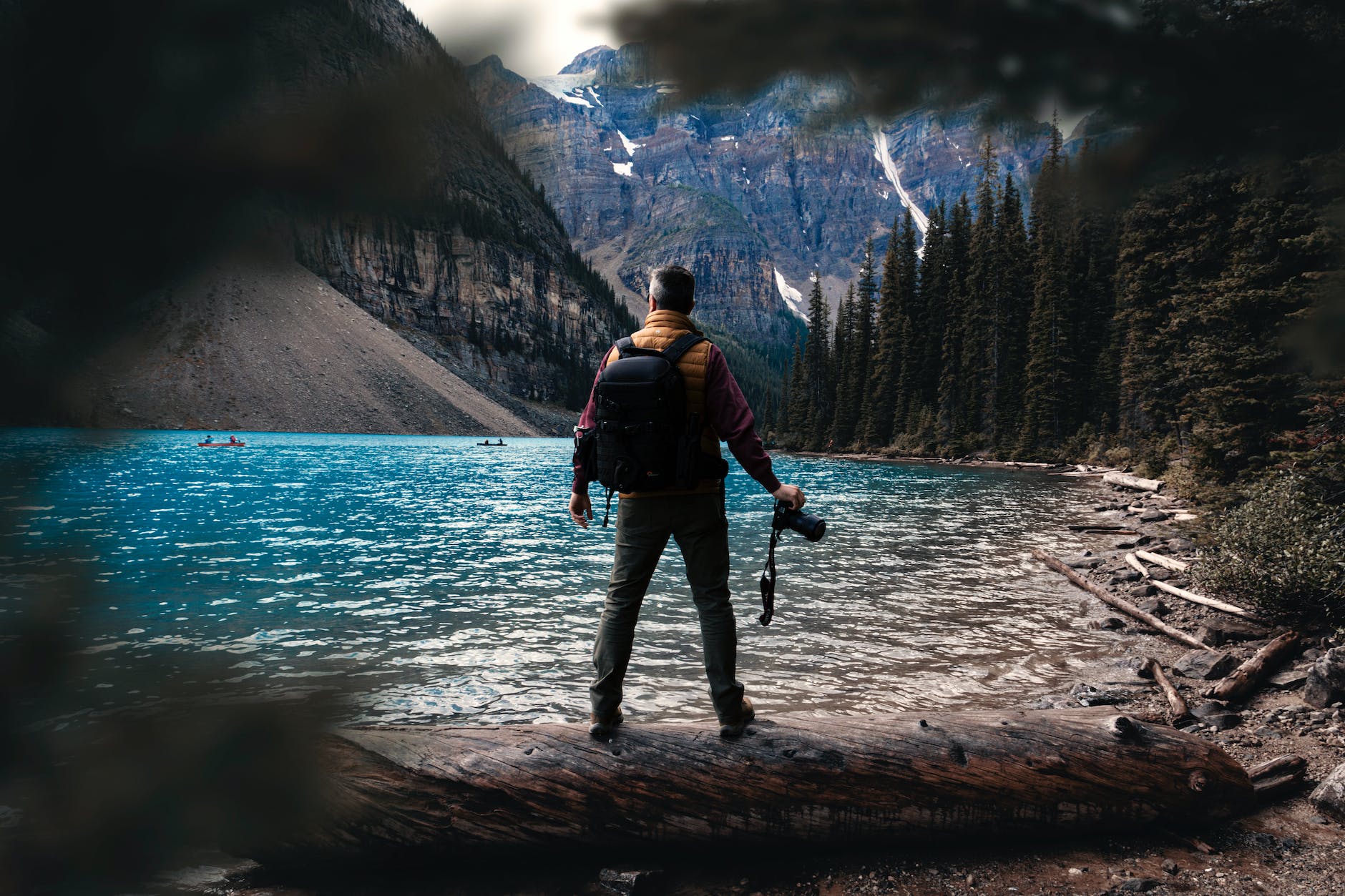
Choosing the best angle can make a huge difference in your landscape photography. Here are a few tips to help you find the best angle:
Scout the location beforehand: Spend some time exploring the location and finding interesting angles and vantage points.
Use foreground elements: Adding foreground elements to your image can help give your photos more depth and make them more interesting. Look for rocks, plants, or other objects that can help anchor your image.
Experiment with different perspectives: Try shooting from different heights and angles to find the most interesting perspective for your scene.
Compositional Tools for Landscape Photography
Composition is another key element of landscape photography. Here are some compositional tools to help you create visually pleasing images:
Rule of Thirds: Divide your image into thirds both horizontally and vertically and place your subject or points of interest where the lines intersect. This can help create a balanced and visually pleasing composition.
Leading Lines: Use natural or man-made lines in the landscape, such as roads or paths, to guide the viewer’s eye through the image.
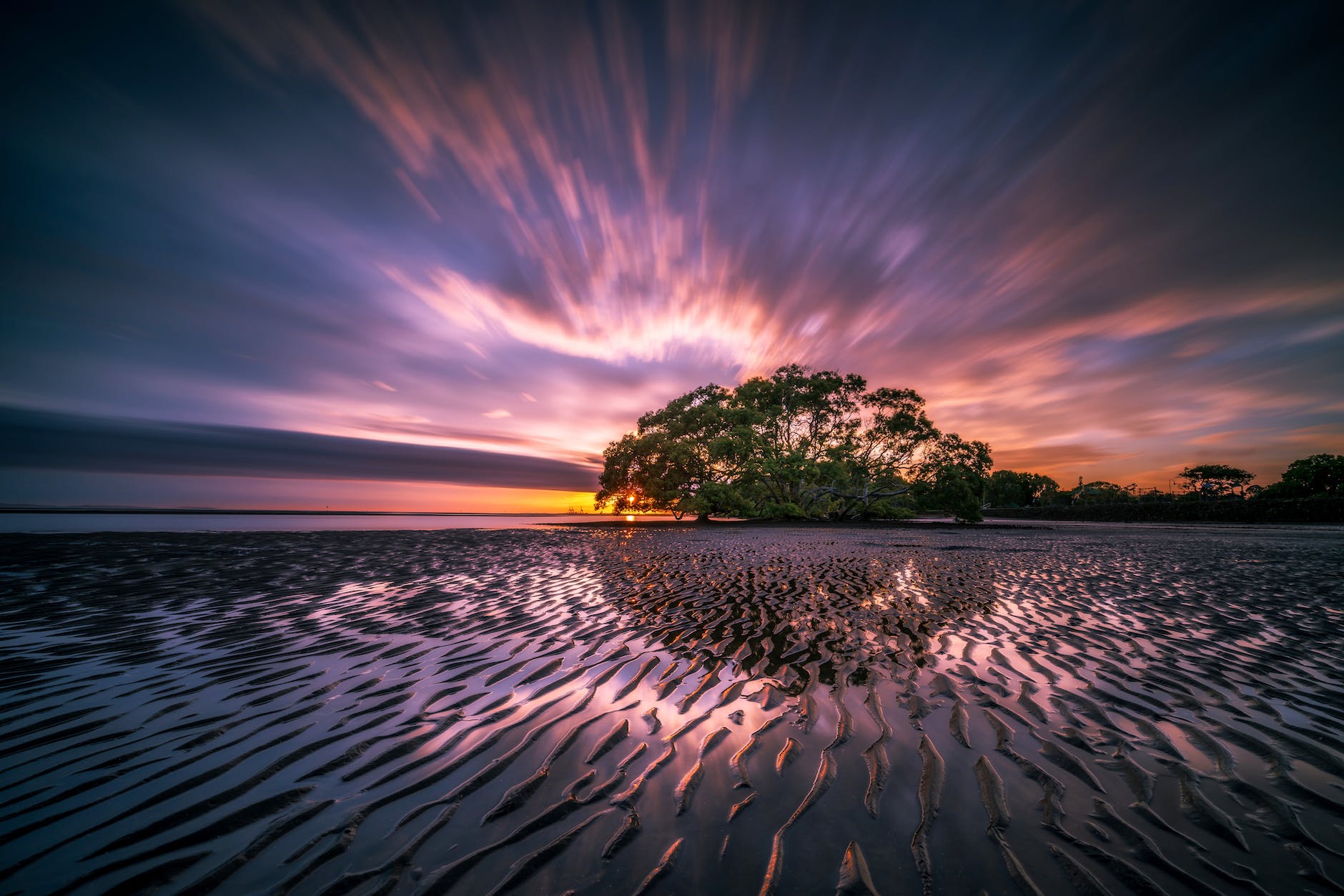
Symmetry and Patterns: Look for symmetry and patterns in the landscape, such as reflections or repeating shapes, to create a sense of harmony and balance in your image.
Basic Camera Settings for Beginner Landscape Photographers
In conclusion, landscape photography requires patience, preparation, and creativity. By using the right camera settings, finding the best angles, and using compositional tools, you can create stunning landscape photos that capture the beauty of nature.
So get out there, explore, and start capturing the world around you!
 Stephen Walton Photography
Leave a Comment