
Photography is a popular and beloved hobby for many people around the world. However, there are a lot of myths and misconceptions about photography that can make it difficult for beginners to get started or for experienced photographers to improve their skills.
In this blog post, I’m going to bust 9 popular myths about photography and give you the real truth behind them.
Myth #1: You Need Expensive Gear to Take Good Photos
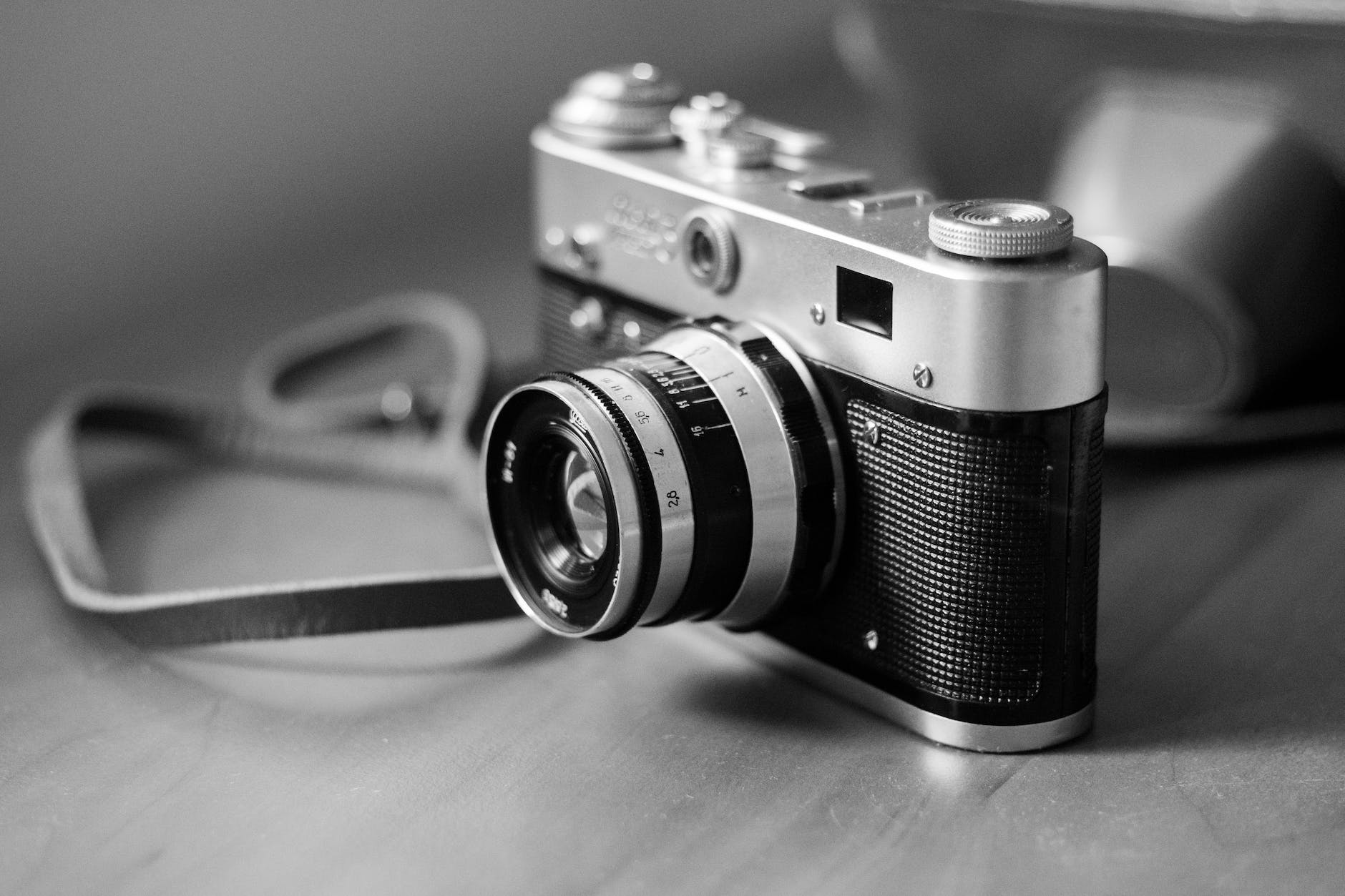
One of the most common myths about photography is that you need expensive gear to take good photos. While it’s true that high-end cameras and lenses can produce high-quality images, they are not a requirement for great photography. In fact, many professional photographers have created stunning images using just a smartphone or a basic camera.
The truth is that it’s not the gear that makes a good photo, but the skill and creativity of the photographer. A skilled photographer can create stunning images using even the most basic camera.
So if you’re just starting out in photography, don’t let the cost of gear hold you back. Focus on learning the basics of composition, lighting, and exposure, and you can create great photos with whatever camera you have.
Myth #2: You Need to Shoot in Manual Mode to be a ‘Real’ Photographer
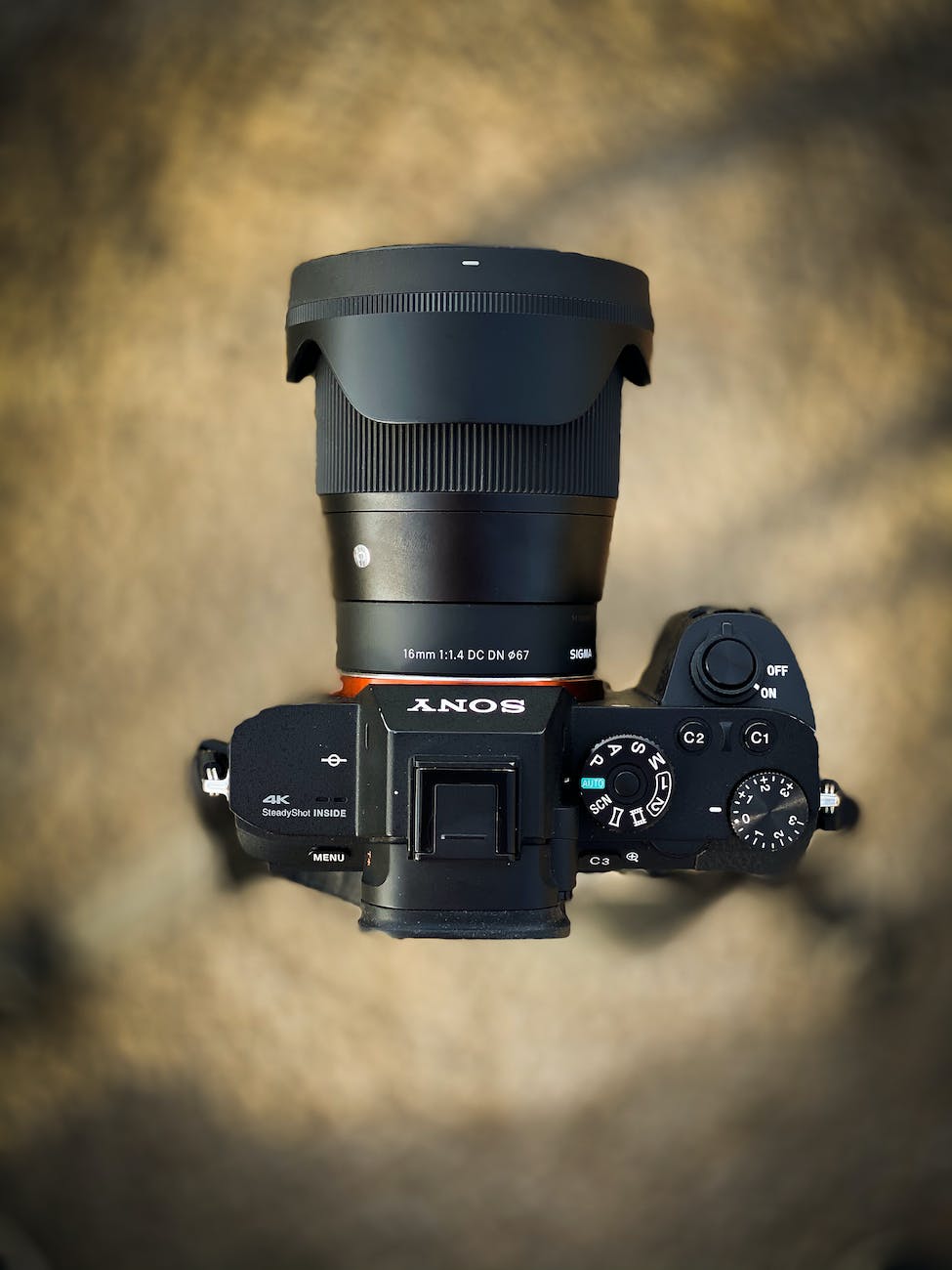
Another common myth about photography is that you need to shoot in manual mode to be a ‘real’ photographer. While shooting in manual mode can give you more control over your camera settings, it’s not a requirement for great photography.
In fact, many professional photographers shoot in aperture priority or shutter priority mode, which gives you some control over the camera settings while still allowing the camera to make some of the decisions.
The truth is that there’s no one correct way to shoot in photography. Different shooting modes are useful in different situations, and the most important thing is to use the shooting mode that will give you the best results for your specific situation.
Don’t worry about shooting in manual mode if you don’t feel comfortable with it. Focus on learning how to use your camera and its settings, and use the shooting mode that works best for you.
Myth #3: Editing is Cheating
Another common myth about photography is that editing is cheating. While it’s true that some photographers rely too heavily on editing software and use it to fix mistakes rather than enhance their images, editing is an important part of the creative process.
The truth is that editing can help you bring out the best in your photos. It allows you to adjust the exposure, colour, and sharpness of your images and can help you create a specific mood or atmosphere in your photos. However, it’s important to remember that editing should enhance your images, not replace good photography skills.

Myth #4: More Megapixels Means Better Photos
Many people believe that more megapixels in a camera means better photos. While it’s true that a higher megapixel count can produce higher-resolution images, it’s not the only factor that determines the quality of a photo.
The truth is that the quality of a photo is determined by a variety of factors, including the camera sensor size, lens quality, and image processing capabilities. While a higher megapixel count can give you more detail in your photos, it’s not necessarily a requirement for great photography.

Myth #5: Only Certain Types of Cameras Can Take Good Photos
Another common myth about photography is that only certain types of cameras can take good photos. For example, some people believe that only DSLR cameras can produce high-quality images, while others believe that mirrorless cameras are the only option for serious photographers.
The truth is that there are many different types of cameras that can produce great images. The key is to find the camera that works best for your specific needs and preferences. Whether you prefer a DSLR, mirrorless camera, point-and-shoot camera, or even a smartphone, you can create stunning photos with any of these tools.
It’s important to remember that the camera is just a tool, and the skill and creativity of the photographer are what really make the difference in the final image. So don’t worry about having the “best” camera – focus on developing your skills and using your camera to its fullest potential.
Myth #6: You Can’t Take Good Photos in Bad Light
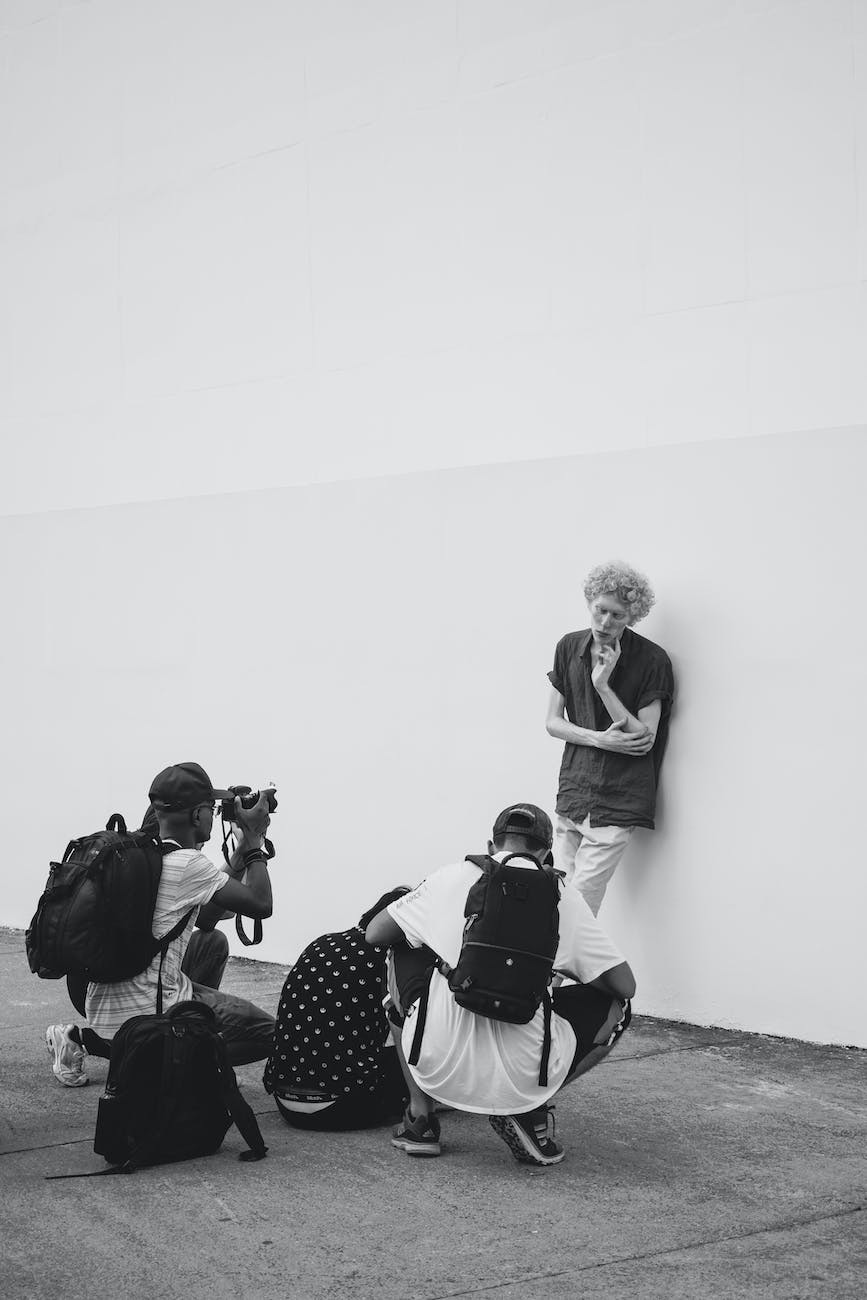
Many people believe that you can’t take good photos in bad light, such as in low light or harsh midday sun. While it’s true that certain lighting conditions can be more challenging to work with, it’s still possible to create great photos in any light.
The key is to understand how different lighting conditions affect your photos and how to work with those conditions to create the best possible image. For example, in low light conditions, you may need to use a slower shutter speed or higher ISO to capture enough light. In the harsh midday sun, you may need to look for shaded areas or use a polarizing filter to reduce glare.
The truth is that every lighting condition presents its own challenges and opportunities, and it’s up to the photographer to understand how to work with those conditions to create great photos.
Myth #7: The More Photos You Take, the Better Your Chances of Getting a Good Shot
Some photographers believe that taking as many photos as possible is the key to getting a great shot. While it’s true that taking multiple shots can increase your chances of getting a good one, it’s not always the best approach.
The truth is that taking a thoughtful and deliberate approach to your photography is often more effective than simply snapping away. By taking the time to think about your composition, lighting, and settings, you can create a more intentional and impactful image.

Myth #8: A Good Photo Must Be Sharp and in Focus
Many people believe that a good photo must be perfectly sharp and in focus. While sharpness and focus are important factors in creating a great image, they are not the only ones.
The truth is that a great photo is one that tells a story or evokes a feeling in the viewer. Sometimes, intentionally blurring or softening parts of an image can actually enhance its impact and create a more interesting and dynamic photo.
Myth #9: You Need to Follow the Rule of Thirds to Create a Great Composition
The Rule of Thirds is a popular compositional tool in photography that involves dividing the frame into thirds both horizontally and vertically and placing key elements of the image at the intersections of those lines. While the Rule of Thirds can be a useful tool, it’s not the only way to create a great composition.
The truth is that there are many different compositional tools and techniques that can be used to create a strong and compelling image. From leading lines to symmetry to framing, the key is to experiment with different approaches and find the one that works best for your specific image.
Summary
In conclusion, there are many myths and misconceptions about photography that can make it difficult for beginners to get started or for experienced photographers to improve their skills.
By understanding the truth behind these myths and focusing on developing your skills and creativity, you can create stunning images that tell a story and capture a moment in time.


 Stephen Walton Photography
Leave a Comment