

Photography has long been a subject of debate among artists, critics, and enthusiasts alike. While some argue that it is merely a mechanical reproduction of reality, others vehemently defend its status as a true art form.
In this thought-provoking exploration, I wanted to challenge the purists of traditional arts (painting, sculpting, dance, music etc) that photography can still be considered artistic.
I’ll break down the artistic merits and unravel the complexities that lie behind the lens. By examining its history, unique characteristics, and creative potential, we aim to shed light on the question: Is photography art?
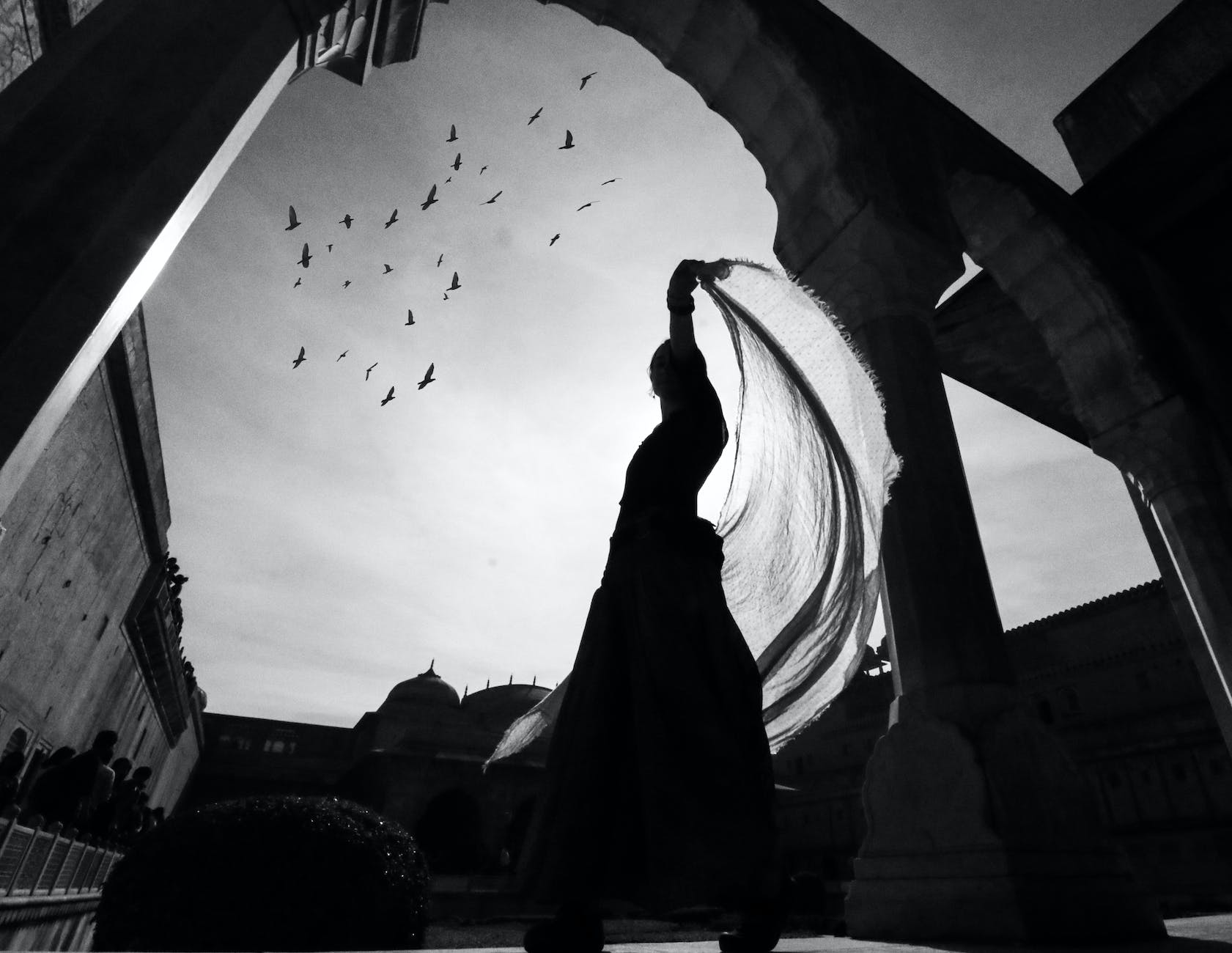
Art is an Expression?
Art, in its various forms, has always served as a channel for human expression, enabling individuals to convey their thoughts, emotions, and perspectives. Photography, with its ability to capture moments frozen in time, has proven to be a compelling medium for artistic exploration.
Unlike other art forms such as painting or sculpture, photography has the unique advantage of directly capturing reality, making it accessible and relatable to a broad audience. By selecting specific subjects, framing compositions, and manipulating lighting, photographers exercise their artistic vision to create compelling visual narratives.

How Did Photography Evolve into an Art?
From its inception in the early 19th century, photography has undergone a remarkable transformation. Initially seen as a scientific tool, it quickly found its way into the hands of creative individuals who sought to push its boundaries.
Pioneers such as Alfred Stieglitz, Ansel Adams, and Henri Cartier-Bresson embraced photography’s artistic potential, using it as a means to convey personal narratives and challenge conventional norms. As technology advanced, the possibilities of photographic expression expanded, giving rise to various genres such as landscape, portraiture, street photography, and conceptual art. With each passing era, photography further solidified its position as a legitimate art form.
Composition Decides the Narrative
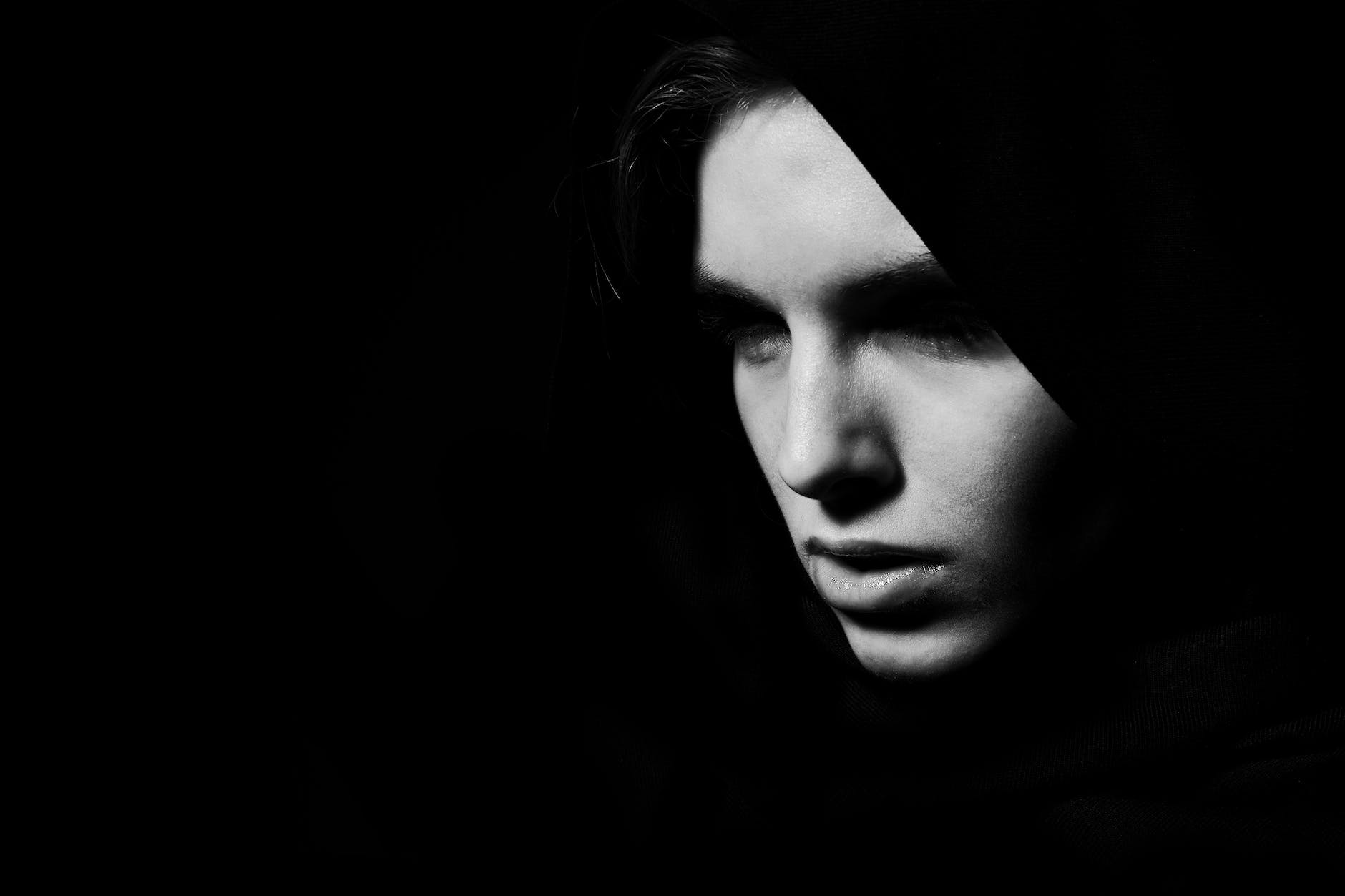
At the heart of any artistic endeavor lies the vision of the creator. In photography, the photographer’s eye for composition, perspective, and framing plays a vital role in transforming a simple image into a work of art.
The deliberate placement of subjects, the use of leading lines, and the understanding of visual balance all contribute to the photographer’s ability to evoke emotion and convey a message. This conscious manipulation of visual elements demonstrates that photography is not merely a mechanical act but rather a deliberate and artistic process.
Using Light and Shadow Creatively
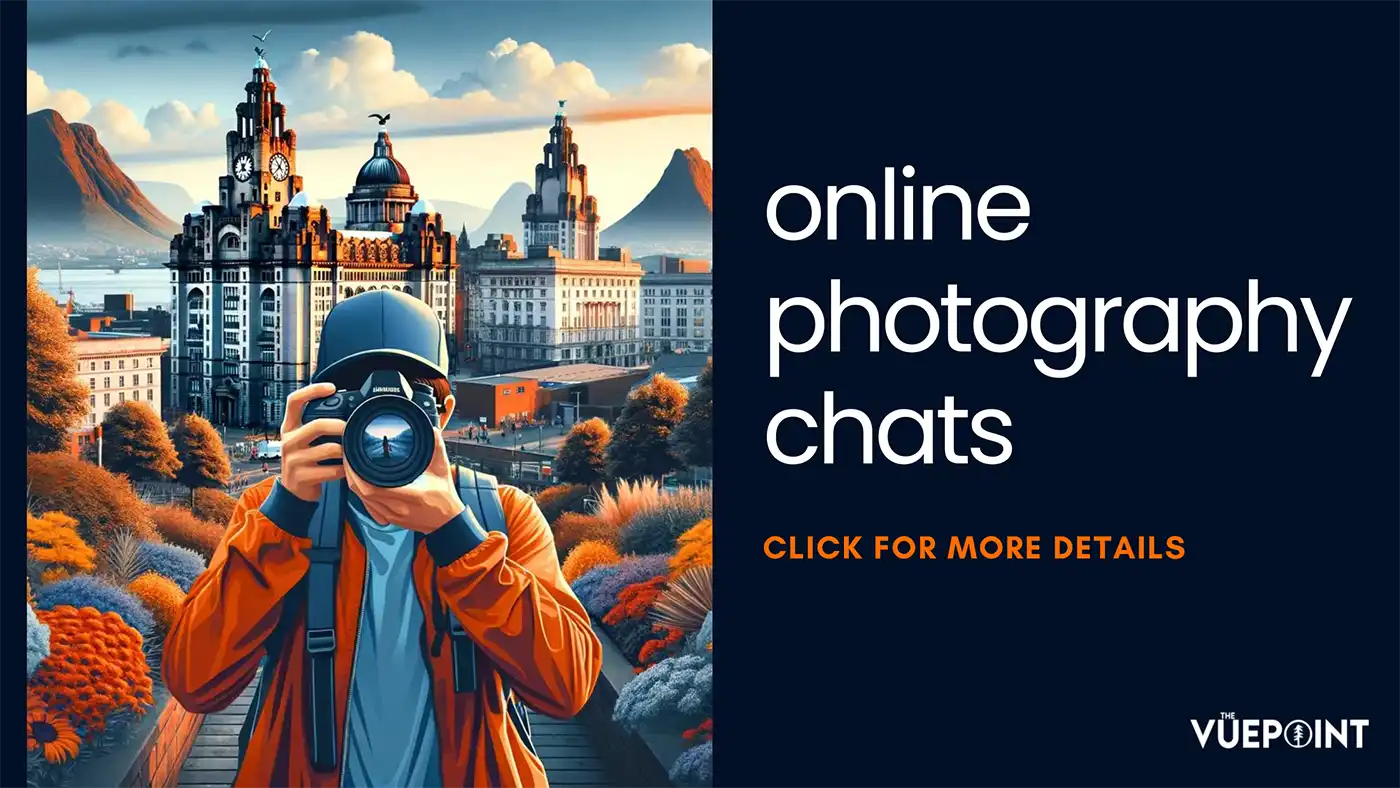
Light and shadow are the building blocks of photography, shaping the visual aesthetics and mood of an image. Photographers skillfully utilize these elements to create depth, texture, and contrast, enhancing the overall impact of their work.
The interplay of light and shadow can transform an ordinary scene into an extraordinary one, evoking a wide range of emotions from the viewer. By harnessing the power of light, photographers exercise their artistic sensibilities, crafting images that transcend the realm of documentation.
Photographs Became Stories, not just Documents
Just as a writer employs words to weave captivating narratives, photographers employ images to tell stories. Each photograph has the potential to evoke curiosity, provoke thought, or elicit an emotional response.
Through careful composition, selection of subjects, and timing, photographers capture a moment in time, allowing viewers to embark on their own imaginative journeys. In this way, photography becomes a powerful tool for storytelling, inviting the audience to engage with the narrative woven within the frame.
Photos Made Us Feel Something
Art has the remarkable ability to stir emotions within the viewer, and photography is no exception. A skillfully captured photograph has the power to evoke joy, sadness, wonder, or even contemplation. The photographer’s intention plays a crucial role in this process, as they manipulate the elements of their composition to elicit a specific emotional response.
Whether it is a poignant portrait, a breathtaking landscape, or a thought-provoking conceptual image, the emotional impact of photography attests to its status as an art form.
A Way to Tell the Future About the Past
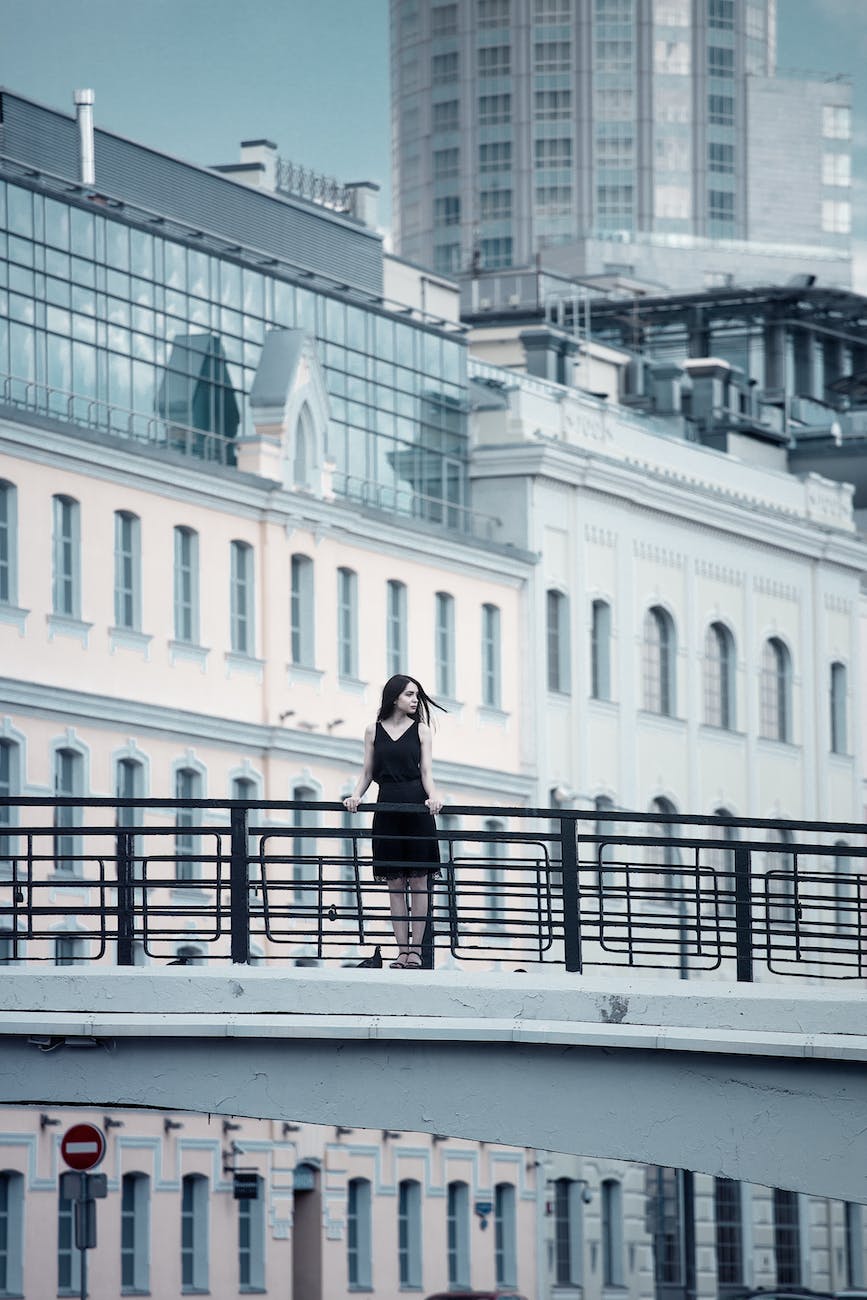
Throughout history, art has served as a reflection of society, allowing artists to comment on cultural, social, and political issues. Photography, with its ability to capture reality with precision, has become an invaluable tool for cultural commentary.
Photographers like Dorothea Lange and Sebastião Salgado have used their cameras to shed light on injustice, inequality, and the human condition. By capturing pivotal moments, these photographers have created powerful images that continue to shape public discourse and challenge societal norms.
Any Art Needs a Good Foundation
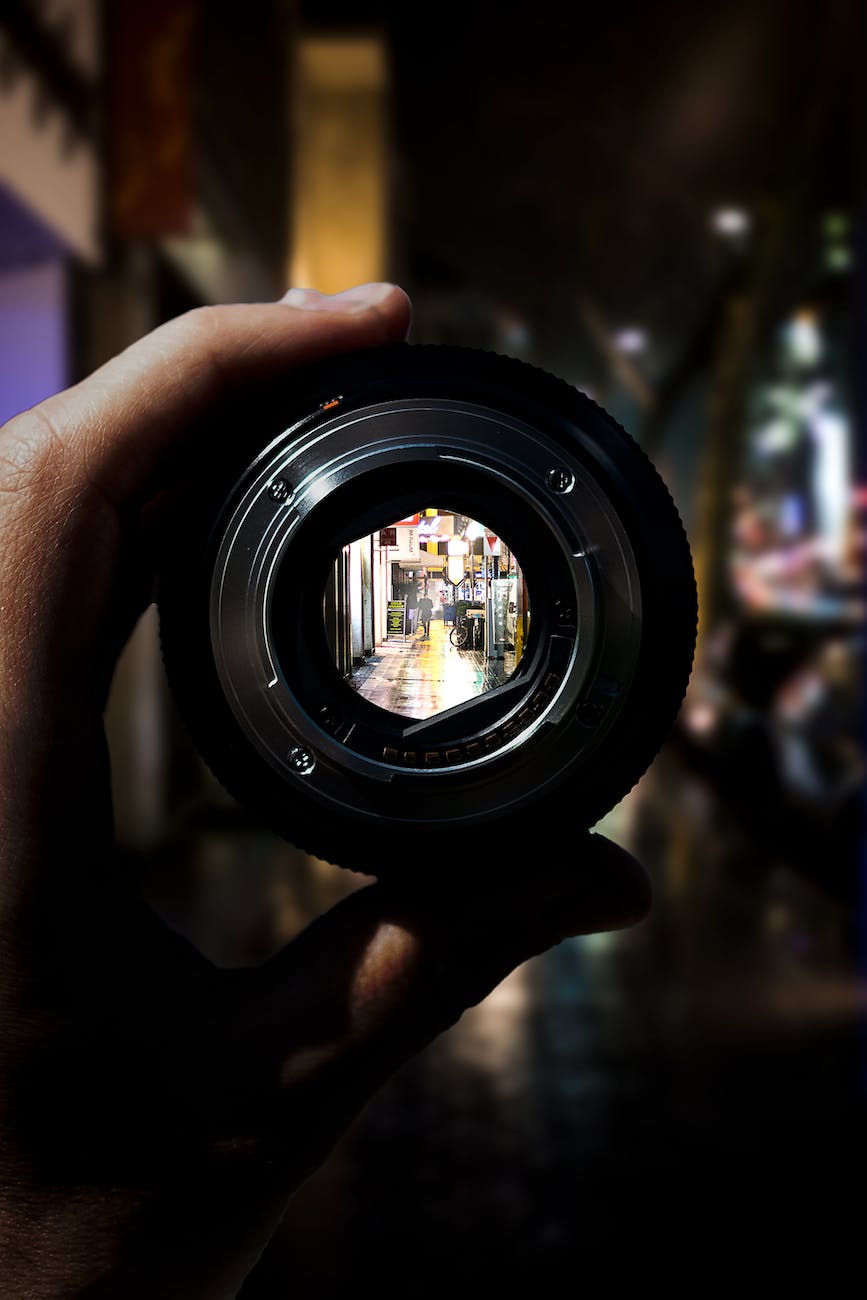
While artistic vision is the driving force behind photography, technical expertise also plays a significant role. Understanding the mechanics of cameras, mastering the principles of exposure, and post-processing techniques are essential skills that photographers acquire.
The fusion of technical proficiency and artistic vision enables photographers to capture images with precision, clarity, and intention, elevating their work to the realm of art.
Is Photography Just as Good as Traditional Art?
Despite the undeniable artistic merits of photography, the question of whether it can be considered on par with traditional art forms such as painting or sculpture persists. Detractors argue that photography lacks the physicality and tactile qualities that define traditional art.
However, this narrow perspective overlooks the unique attributes and immense creative potential that photography offers. It is crucial to recognize that art evolves with society, embracing new mediums and expressions.
Is Photography Art? Conclusion
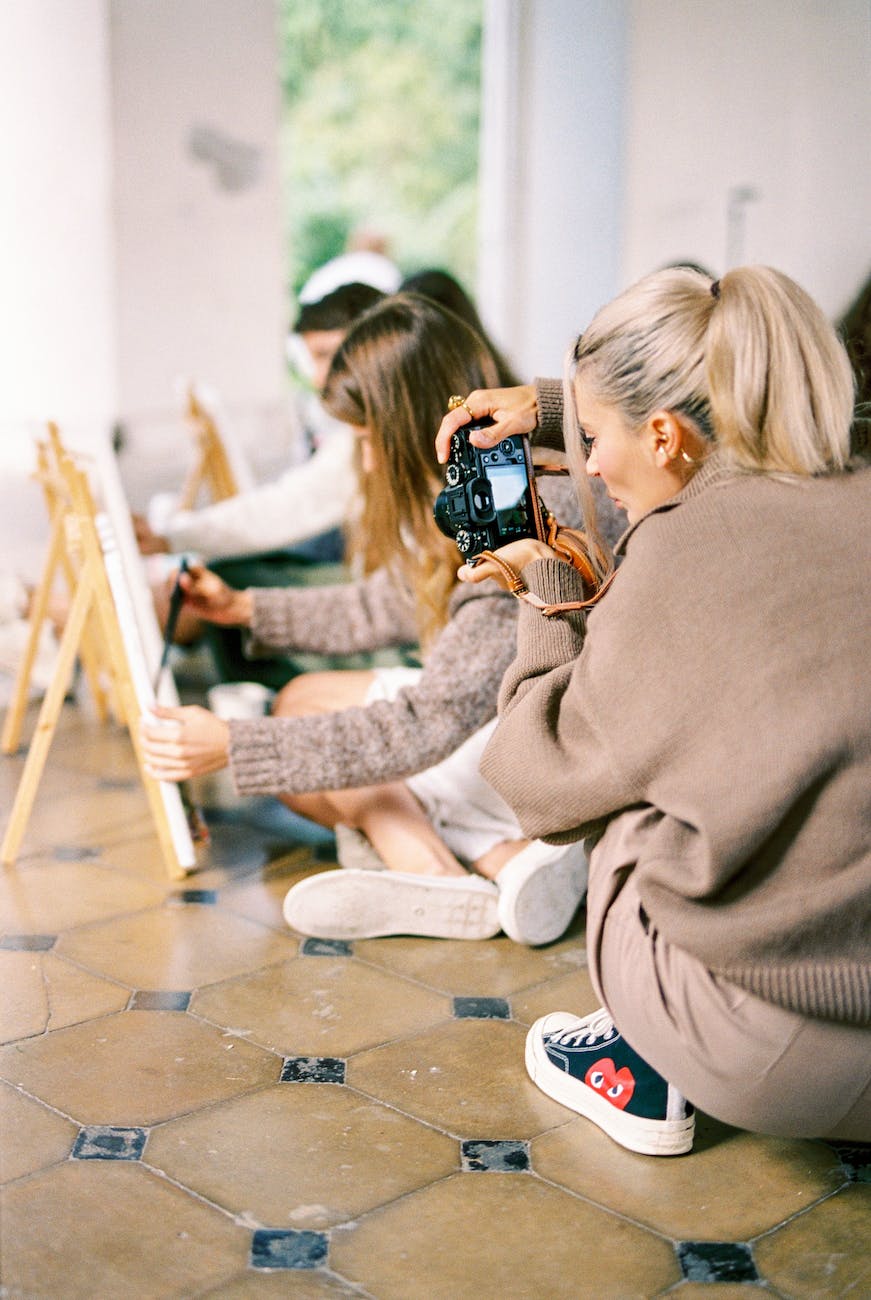
In conclusion, photography undeniably deserves its place among the pantheon of art forms. It possesses a unique ability to capture and freeze moments, convey emotion, tell stories, and comment on society.
Through the deliberate use of composition, light, and shadow, photographers channel their artistic vision to create captivating images that resonate with viewers. Photography transcends mere documentation, transforming into a medium of profound artistic expression.
As we navigate the captivating world of photography, we are reminded that art is not confined to a singular medium or technique. Instead, it is the product of human ingenuity, creativity, and the desire to convey meaning.
So, the next time you capture an image or gaze upon a photograph, allow yourself to see beyond the surface and embrace the artistry that lies within.
 Stephen Walton Photography
Leave a Comment