
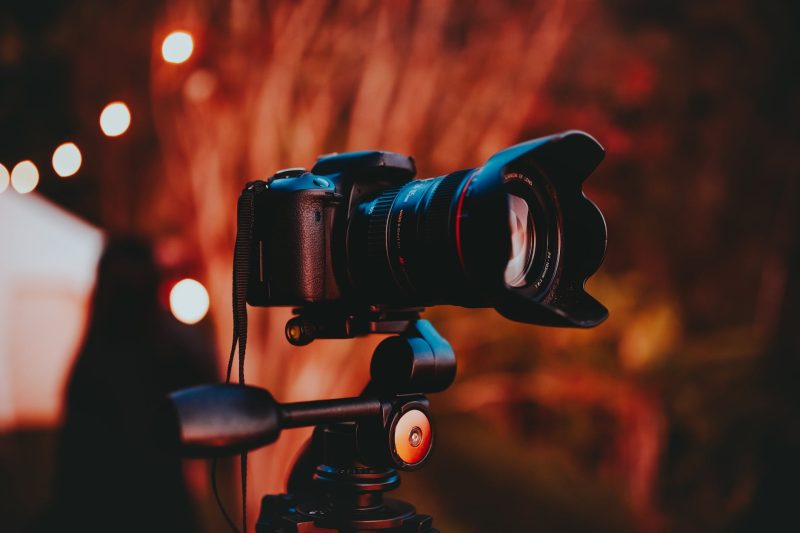
Have you ever wondered how your digital camera magically captures stunning images? The answer lies in the incredible technology of the camera sensor.
In this blog post, we’ll dive deep into the workings of a digital camera sensor and uncover the magic that transforms light into digital memories. Get ready to unravel the secrets behind the sensor that brings your photographs to life!
The Basics of Light Capture
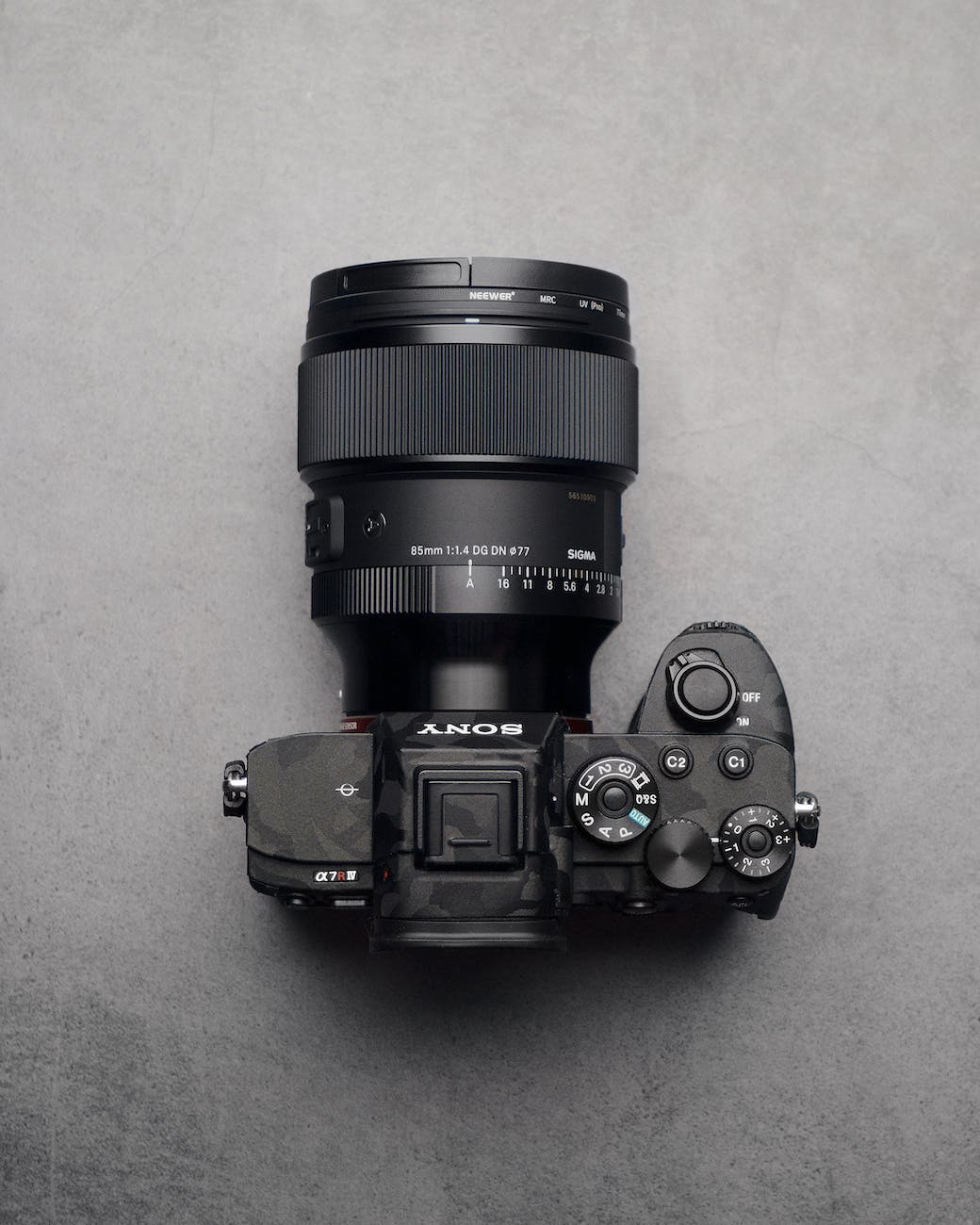
At the heart of every digital camera is the sensor, an essential component responsible for capturing light and turning it into digital information. The sensor is like a tiny electronic canvas with light-sensitive pixels that act as the building blocks of your image. Each pixel is like a mini light catcher, recording the amount of light that falls on it.
When you press the shutter button, the camera’s lens lets in light from the scene you’re photographing. This light travels through the lens and hits the sensor, where the magic begins. The sensor’s pixels start measuring the intensity of light they receive, creating an electrical charge proportional to the amount of light.
How Light Converts into an Image
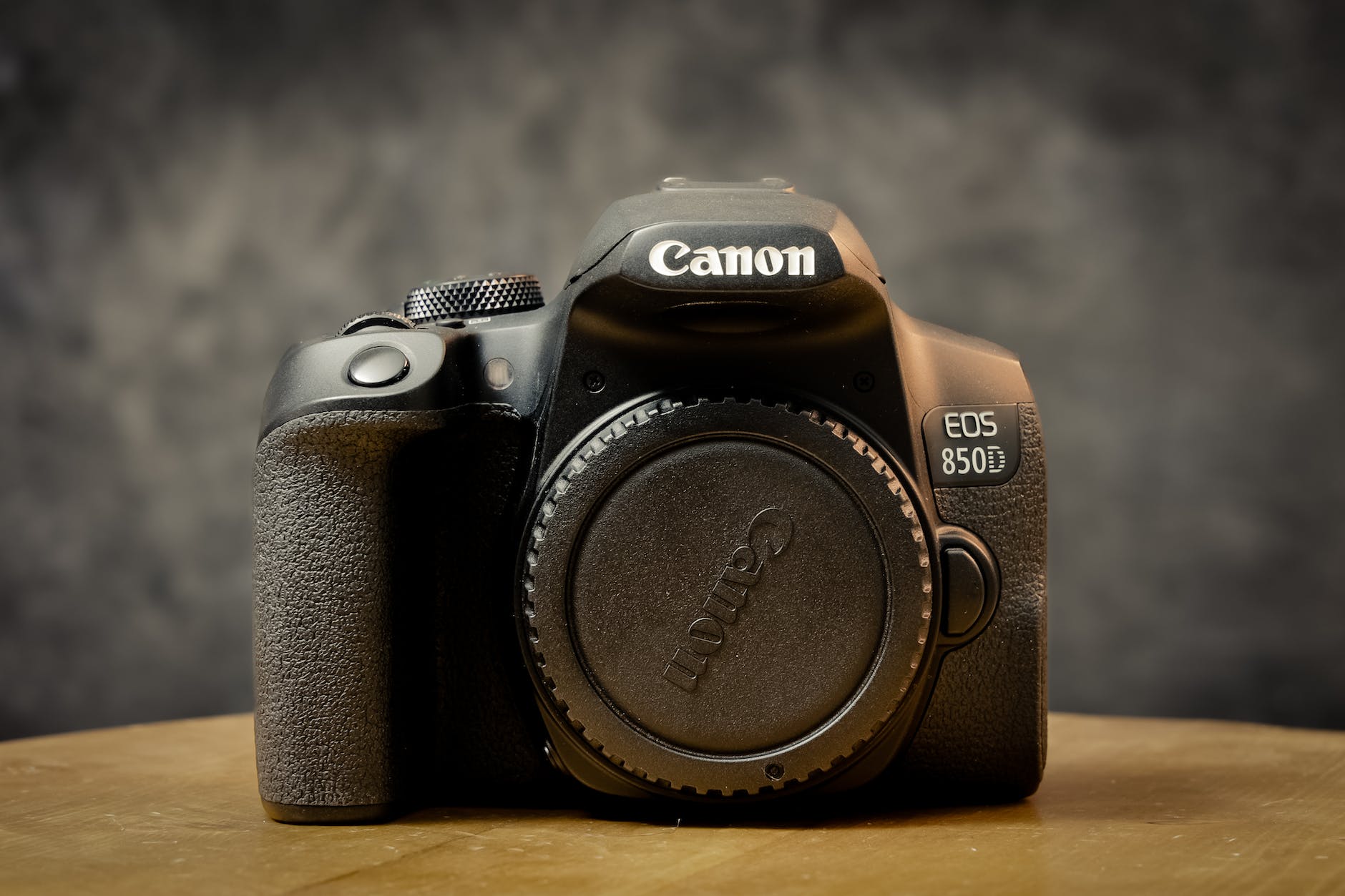
Once the pixels have gathered the light information, it’s time to convert it into a digital form that can be stored and processed. The sensor uses a process called analog-to-digital conversion to transform the analog signal (light intensity) into a digital one (numbers). This conversion is like translating a secret message into a language that your camera’s processor can understand.
The electrical charges collected by the pixels are read by the camera’s analog-to-digital converter. This converter assigns a numerical value to each charge, representing the brightness level for that pixel. These numerical values form the digital image file that you can later see on your camera’s display or transfer to your computer.
The Role of Colour Filters
Colours add life to our photographs, and digital camera sensors use colour filters to capture the different hues present in a scene. Most digital camera sensors are equipped with a Bayer colour filter array, named after its inventor Bryce Bayer. This array consists of red, green, and blue filters, arranged in a specific pattern over the pixels.
When light passes through these colour filters and reaches the pixels, each pixel is selectively filtered to record either the red, green, or blue component of the scene. After capturing the individual colour information, the camera’s processor combines these colours to create the final full-colour image. This process is like putting together pieces of a puzzle to create a beautiful picture.
The Role of Resolution
Resolution is like the magic that determines the level of detail in your photographs. It refers to the number of pixels on the camera sensor and is typically expressed in megapixels (MP). A higher resolution means more pixels on the sensor, allowing your camera to capture finer details in the scene.
For example, a camera with a resolution of 24 MP has approximately 24 million individual pixels on its sensor. When you take a photo, these pixels work together to capture a wealth of detail, from intricate textures to subtle variations in color. Higher resolution sensors are especially valuable when you plan to print large images or crop photos while still maintaining excellent quality.
Sensor Sizes and Image Quality
Camera sensor size is another crucial aspect that influences the image quality of your photographs. Bigger sensor sizes generally result in better image quality, especially in low-light conditions. Larger sensors have larger pixels, which means they can capture more light, resulting in less image noise and better dynamic range.
Full-frame cameras have the largest sensors commonly used in consumer-level digital cameras. APS-C and Micro Four Thirds sensors are smaller but still offer excellent image quality. Your choice of sensor size depends on your photography needs and preferences, but remember that sensor size is a critical factor in the overall performance of your digital camera.
How Does a Digital Camera Sensor Work? Conclusion
Congratulations, photography enthusiasts! You’ve unlocked the secrets behind how a digital camera sensor works. From capturing light to converting it into digital data, and from using color filters to determine resolution and sensor size, the sensor is at the heart of every photograph you capture.
Understanding the technology behind the camera sensor empowers you to make informed decisions when selecting your gear and exploring different photography styles. So, grab your camera and venture forth to capture the magic of the world through your lens. Happy clicking!
 Stephen Walton Photography
Leave a Comment