
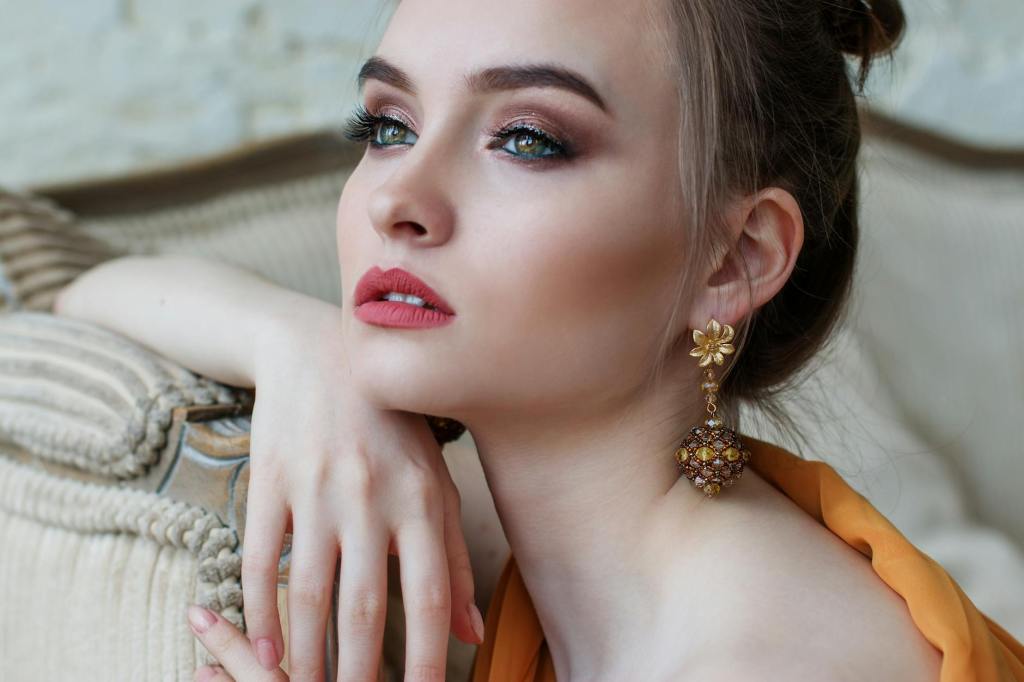
Uncover the psychology behind our gaze fixation on eyes in portraits and explore the art of visual connection!
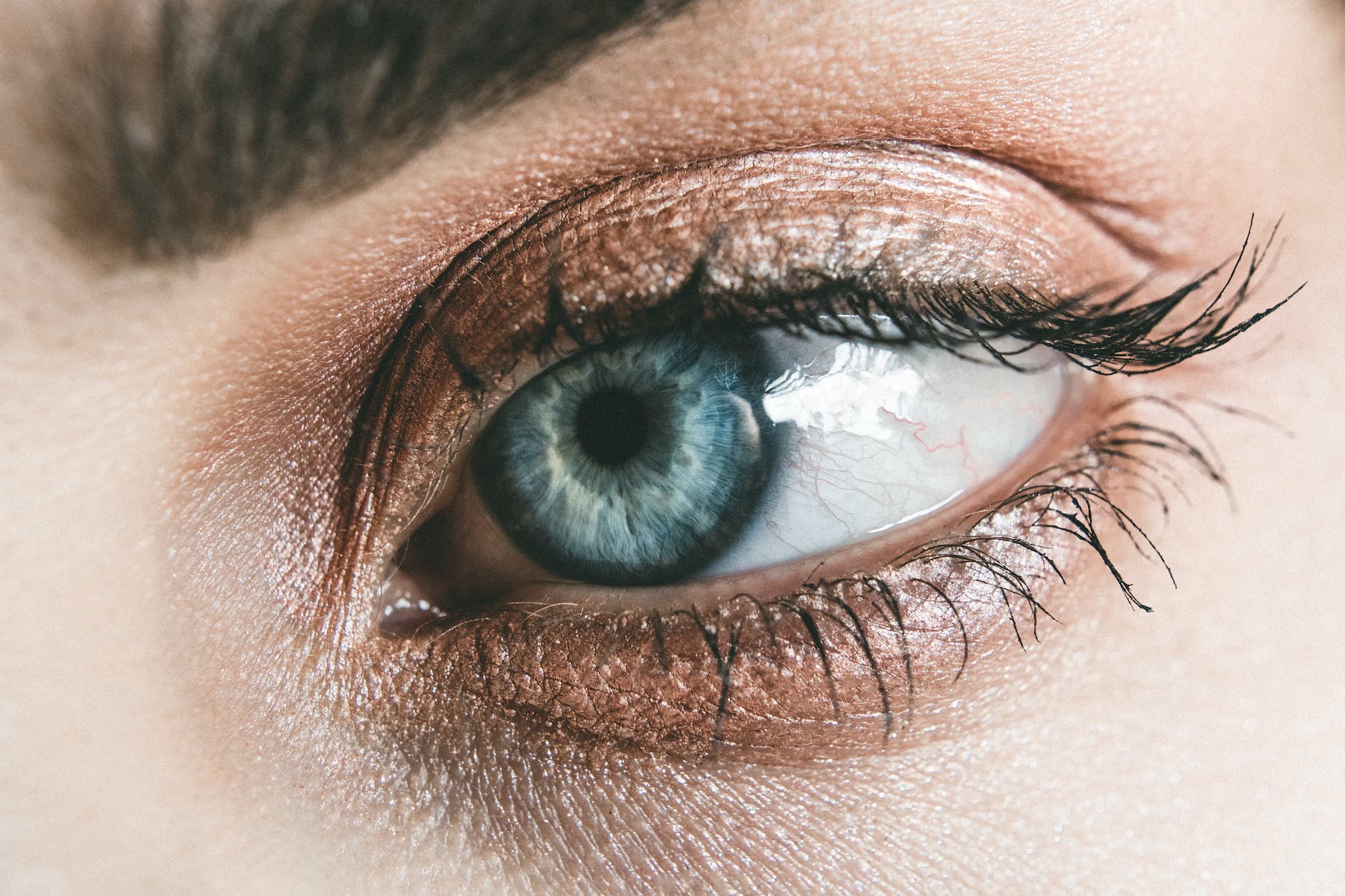
Ever wondered why, in a sea of features, our eyes are magnetically drawn to the eyes of a person in a portrait? It’s not just a coincidence – there’s a deep psychological dance happening between the viewer and the subject. In this exploration, we’ll dive into the captivating mystery of why eyes take center stage in portraits, unraveling the subconscious cues that make our gaze linger.
The eyes are often described as the window to the soul, and for a good reason. When we look into someone’s eyes, it’s like peering through a mystical gateway that reveals emotions, thoughts, and, sometimes, entire life stories. The unique patterns, colors, and expressions in our eyes convey a depth of information that words sometimes fail to capture.

Non-Verbal Cues
Long before we had languages, our ancestors communicated through non-verbal cues. In a portrait, the eyes are the most potent tool of non-verbal communication. A subtle squint, a twinkle, or the intensity in someone’s gaze can convey a myriad of emotions. We’ve evolved to be keen interpreters of these signals, and our instinctual focus on the eyes is a testament to our primal need for understanding and connection.
Have you ever felt a strong connection with someone by just exchanging glances? It’s not your imagination; it’s a well-documented psychological phenomenon. Mutual gazing, where individuals make eye contact with each other, creates a powerful bond. This connection is so potent that studies show it can even evoke empathy and trigger feelings of trust. In a portrait, this sense of mutual gazing is simulated, engaging the viewer in an unspoken conversation with the subject.

We Connect with Eyes
Ever wondered why, in a sea of features, our eyes are magnetically drawn to the eyes of a person in a portrait? It’s not just a coincidence – there’s a deep psychological dance happening between the viewer and the subject. In this exploration, we’ll dive into the captivating mystery of why eyes take center stage in portraits, unraveling the subconscious cues that make our gaze linger.
The eyes are often described as the window to the soul, and for a good reason. When we look into someone’s eyes, it’s like peering through a mystical gateway that reveals emotions, thoughts, and, sometimes, entire life stories. The unique patterns, colors, and expressions in our eyes convey a depth of information that words sometimes fail to capture.
Long before we had languages, our ancestors communicated through non-verbal cues. In a portrait, the eyes are the most potent tool of non-verbal communication. A subtle squint, a twinkle, or the intensity in someone’s gaze can convey a myriad of emotions. We’ve evolved to be keen interpreters of these signals, and our instinctual focus on the eyes is a testament to our primal need for understanding and connection.
Have you ever felt a strong connection with someone by just exchanging glances? It’s not your imagination; it’s a well-documented psychological phenomenon. Mutual gazing, where individuals make eye contact with each other, creates a powerful bond. This connection is so potent that studies show it can even evoke empathy and trigger feelings of trust. In a portrait, this sense of mutual gazing is simulated, engaging the viewer in an unspoken conversation with the subject.
It’s in our Psychology
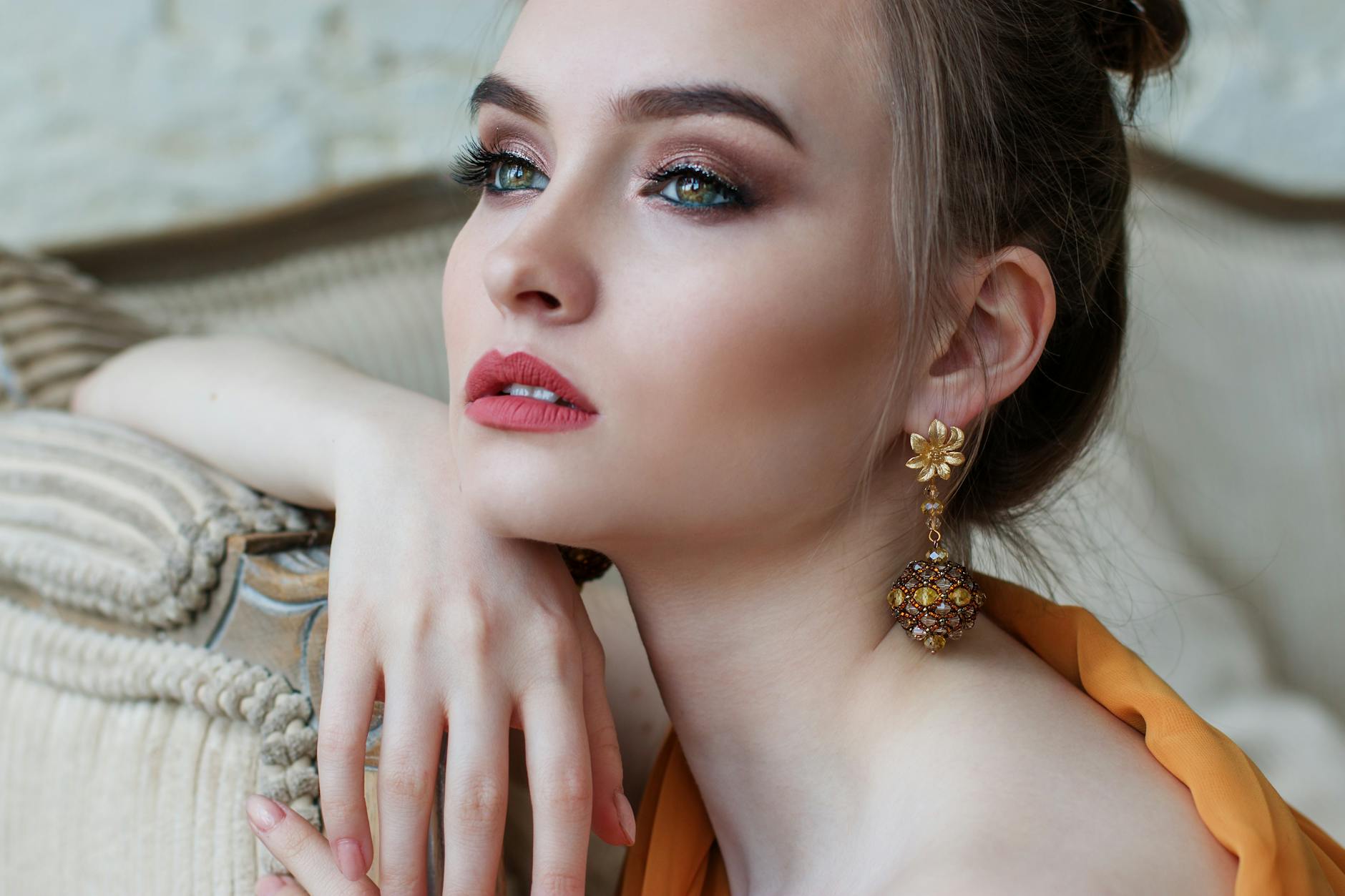
Our instinct to focus on eyes goes way back – think caveman era. In the wild, eye contact could mean the difference between safety and danger. A predator might lock eyes with its prey before striking, and humans needed to recognize these subtle signals for survival. This innate ability to discern emotions and intentions through eyes has carried through generations, imprinting our psyche with a primal fascination.
As societies evolved, so did the importance of eye contact in forging social bonds. In a tribe or community, understanding each other’s intentions through eye contact became crucial for cooperation and trust. In modern times, this deep-seated instinct remains. When we look at someone’s eyes in a portrait, it triggers a subconscious evaluation of trustworthiness, forming a virtual connection even with a static image.

Mirror Neurons at Work
Mirror neurons, the brain cells that fire both when we perform an action and when we see someone else perform the same action, play a significant role in our fascination with eyes. When we see emotions in someone’s eyes, our mirror neurons simulate those emotions within us. It’s an empathetic dance where the subject’s emotions become our own, creating a profound connection even in the absence of verbal communication.
In the world of visual arts, the Rule of Thirds is a guiding principle. This rule divides an image into nine equal parts, creating reference points that guide the viewer’s gaze. The eyes often land on these intersection points, and artists strategically place the eyes of a subject along these lines to captivate attention. It’s a deliberate technique that harnesses our natural inclination to focus on eyes, drawing us into the narrative of the portrait.
The Limbic System
Our brains have a dedicated region called the limbic system, often referred to as the emotional center. This region plays a crucial role in processing emotions and forming memories. When we look into someone’s eyes, the limbic system lights up, creating a deep emotional connection. In a portrait, this connection is amplified as viewers project their emotions onto the subject, forging an intimate bond.
Identity is a complex tapestry, and the eyes play a central role in its construction. Studies show that we recognize faces primarily through the eyes. When we look at a portrait, the eyes become anchors of identity, guiding us to recognize and connect with the subject. Whether it’s a fleeting glance or a penetrating stare, the eyes shape our perception of the individual’s character and identity.

Emotional Responses
Eye contact isn’t just a passive act; it’s an active force that triggers emotional resonance. When we make eye contact, oxytocin, often dubbed the “love hormone,” is released. This hormonal surge fosters feelings of connection, empathy, and trust. In a portrait, the deliberate use of eye contact can induce a similar oxytocin release in the viewer, creating a virtual bond that transcends the physical limitations of the medium.
In the digital age, our fascination with eyes has found a new playground – social media. With a scrollable universe of images at our fingertips, our eyes navigate through a jungle of gazes. Social media platforms, especially those focused on visual content like Instagram, capitalize on our innate tendency to focus on eyes. Thumbnails and previews often highlight the eyes of subjects, enticing us to click for a closer look.
The rise of influencers and personal branding amplifies the importance of eyes in modern photography. Influencers understand that establishing a connection with their audience goes beyond showcasing products or lifestyles. The intentional use of eye contact creates a sense of intimacy and relatability.
 Stephen Walton Photography
Leave a Comment