
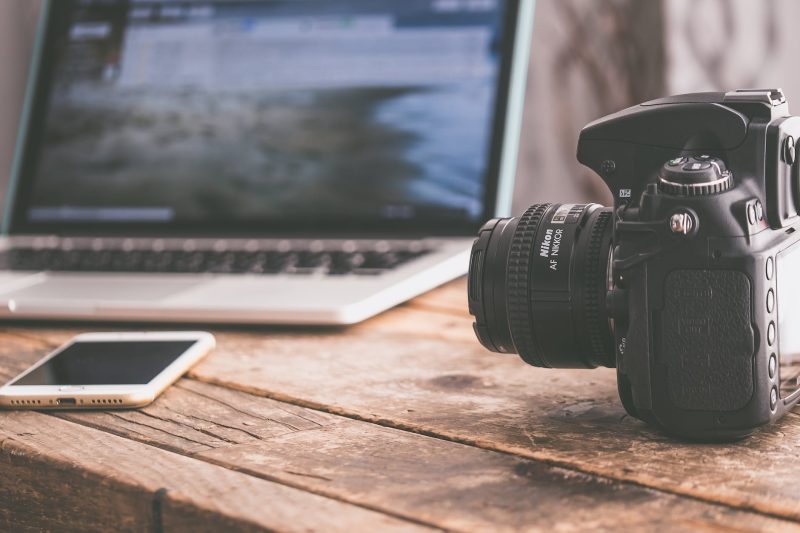
In this guide, we’ll explore why getting a fancier camera might not magically turn you into a photography wizard. Grab your lens cap, and let’s dive in!
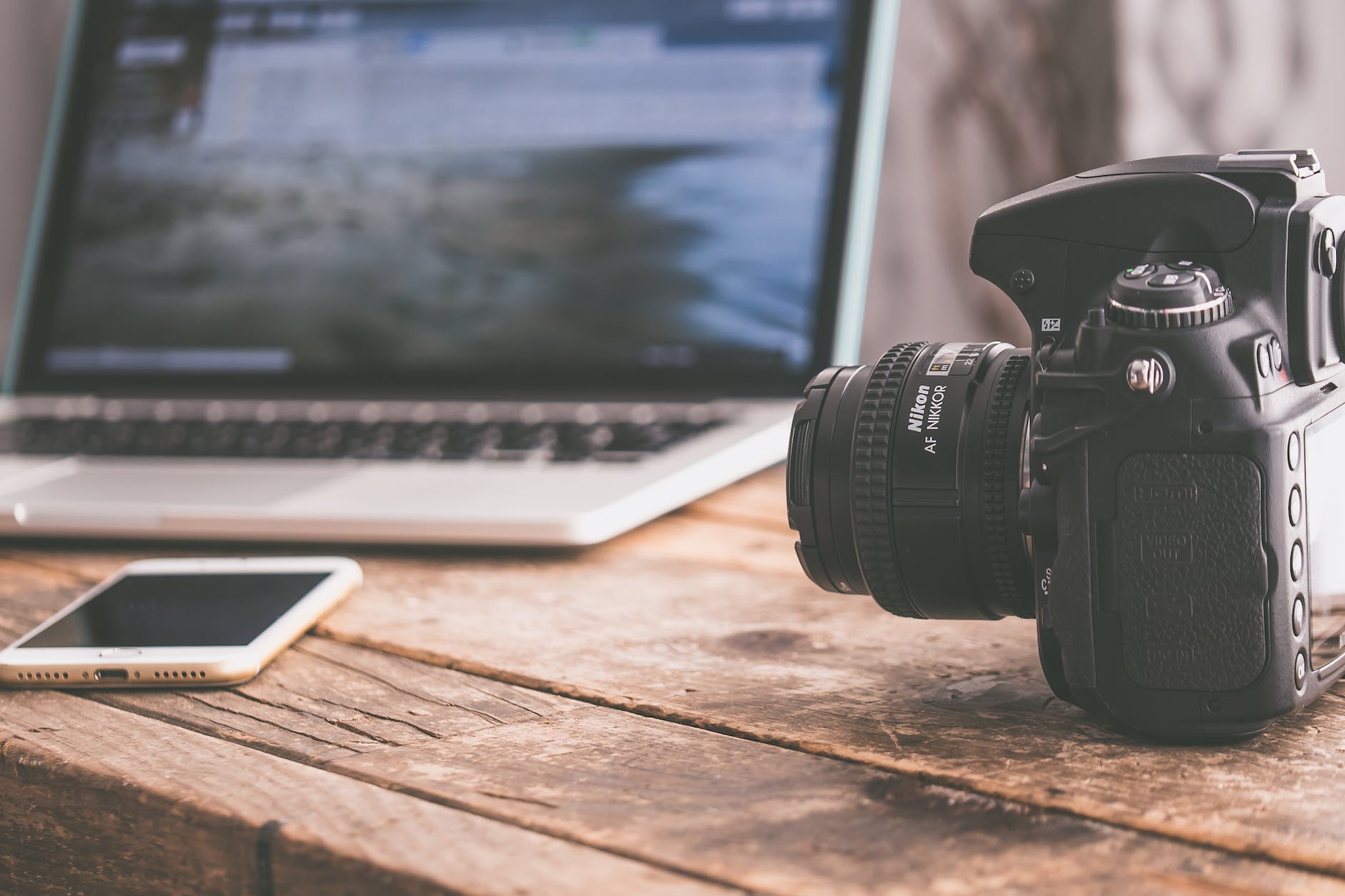
The Magic is in You, Not the Camera
So, you’ve got your eyes on that shiny, new camera with all the bells and whistles. While it’s tempting to think it holds the key to amazing photos, the real magic lies in your creativity and skill. A camera is just a tool; it’s the person behind it who brings the enchantment. Even with a basic camera, you can capture extraordinary moments if you understand composition, lighting, and storytelling.
Investing time in learning photography fundamentals is like unlocking a treasure chest of skills. Experiment with framing, play with angles, and understand how light transforms your shots. As you hone these skills, you’ll realise that the camera is just there to capture the wonders you create.
The Learning Curve of New Gear
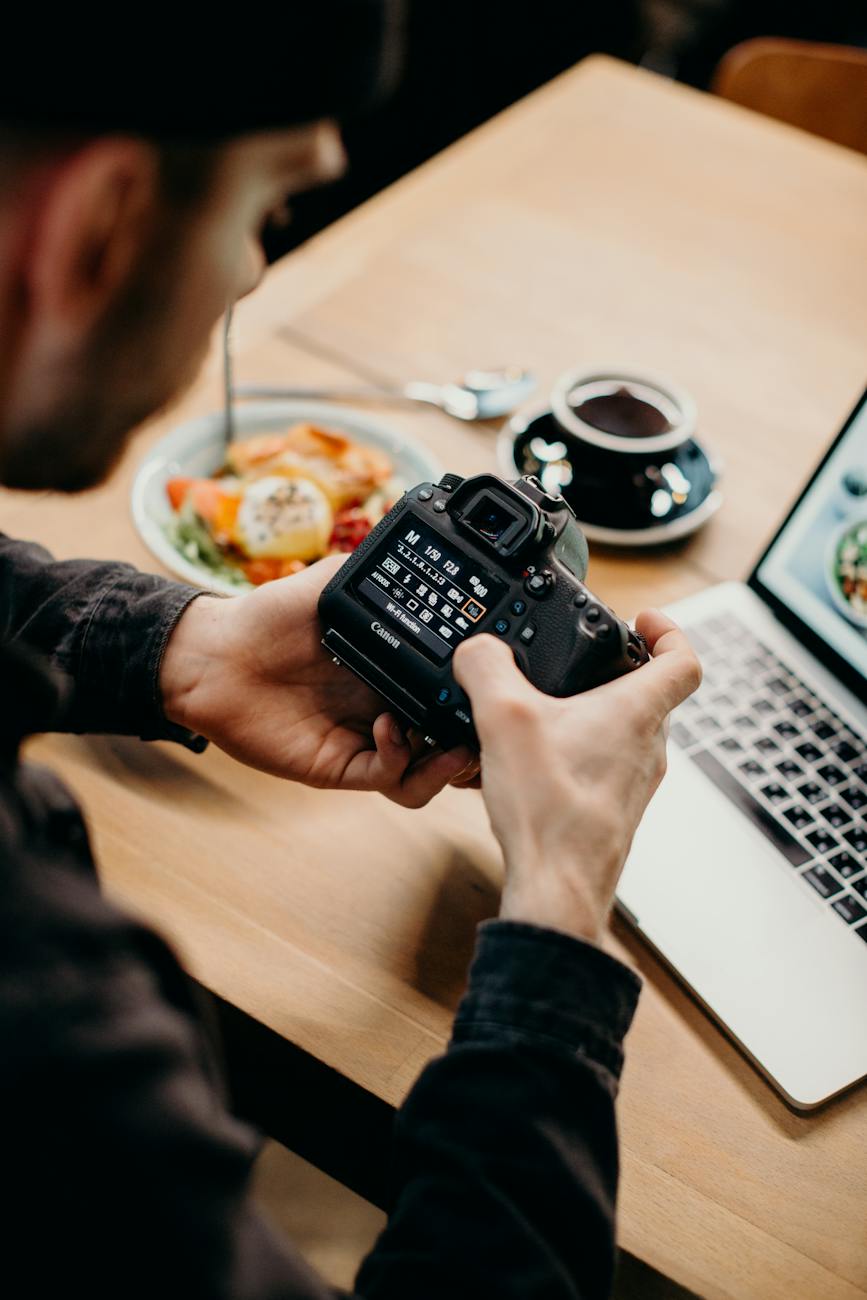
Imagine you just got a rocket ship as your first bicycle. Exciting, right? But, uh-oh, it comes with buttons, levers, and switches you’ve never seen. Similarly, a better camera often means more features and settings. Learning to use them effectively can be like solving a puzzle. It takes time, practice, and patience.
Before jumping into the world of high-tech cameras, master the basics with your current gear. Understand concepts like aperture, shutter speed, and ISO. As you gradually introduce advanced equipment, you’ll appreciate their power and wield them like a seasoned pro. It’s not about the gear; it’s about your ability to make it dance to your creative tune.

The Price Tag Doesn’t Guarantee Better Photos
Picture this: a camera that costs as much as a spaceship to Mars. Does that mean your photos will be out-of-this-world amazing? Not necessarily. While high-end cameras offer impressive features, they won’t automatically turn your snapshots into masterpieces. The price tag often includes advanced technology and capabilities designed for professionals with specific needs.
For budding photographers, investing in expensive gear might not be the wisest move. Quality photos come from understanding your equipment and having a strong foundation in photography basics. Save your intergalactic budget for later; explore, experiment, and grow with your current camera first.
It’s About the Story, Not the Specs
A camera with a gazillion megapixels and enough buttons to launch a spaceship might seem like the dream. But here’s the plot twist: a compelling photo is more about the story it tells than the technical specifications. Your audience connects with emotion, not pixels.
Whether you’re using a basic point-and-shoot or a high-end DSLR, focus on storytelling. What’s the message you want to convey? How does your photo make people feel? As you master the art of storytelling, you’ll realize that the essence of a great photo is not in the camera specs but in the narrative it unfolds.
Gear Won’t Replace Passion and Practice
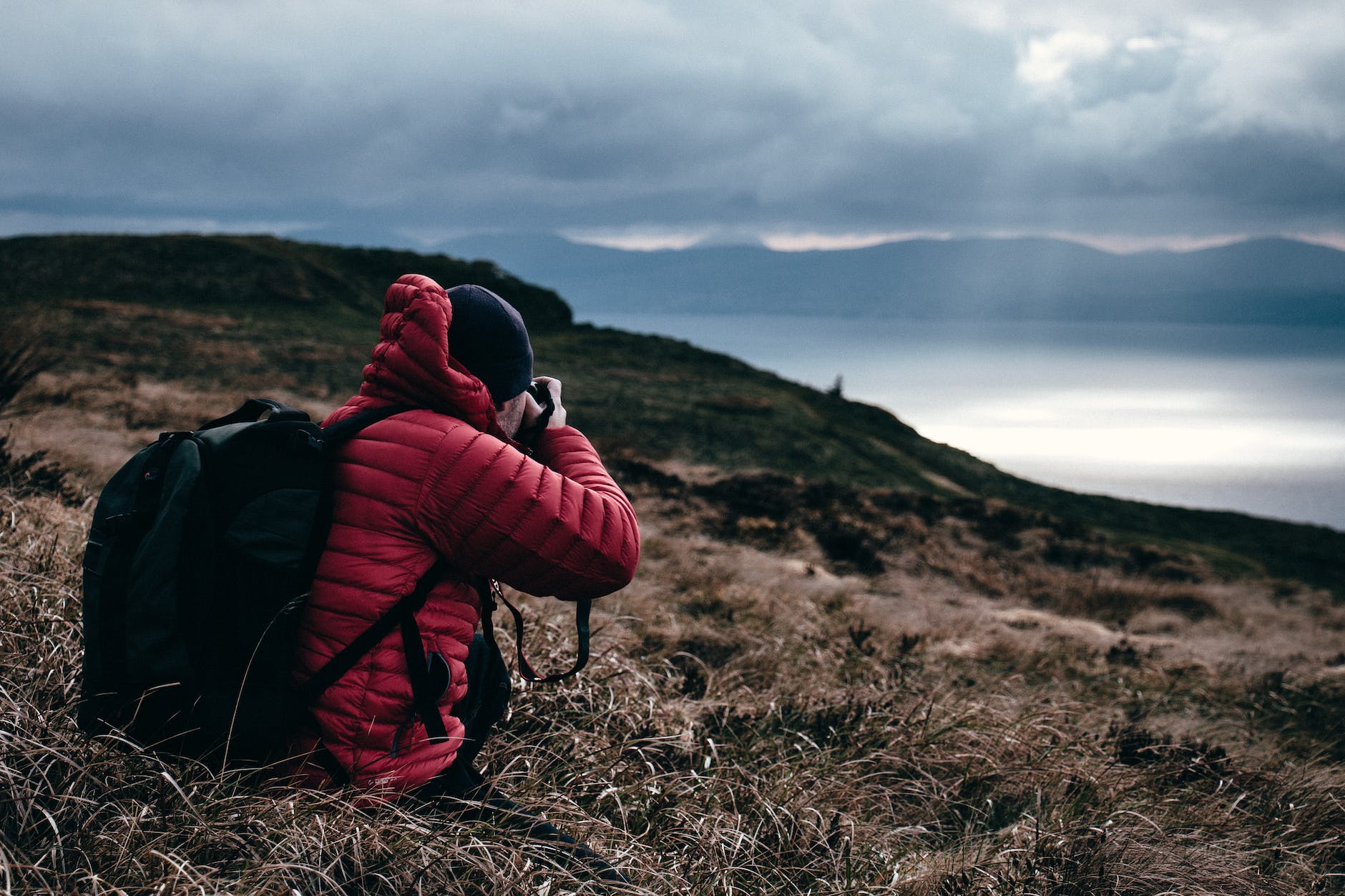
It’s easy to fall into the trap of thinking a better camera will compensate for lack of passion or practice. Spoiler alert: it won’t. Photography is an art that thrives on dedication and practice. Even with the fanciest gear, your skills won’t magically improve without putting in the effort.
Think of it like learning a musical instrument. A top-tier guitar won’t make you a maestro overnight; it’s your commitment to practice that does the trick. Similarly, your photography journey is about embracing the learning process, experimenting, and putting in the hours to refine your craft. A better camera might be a companion, but it can’t replace the heart you pour into your shots.
The Importance of Post-Processing Skills
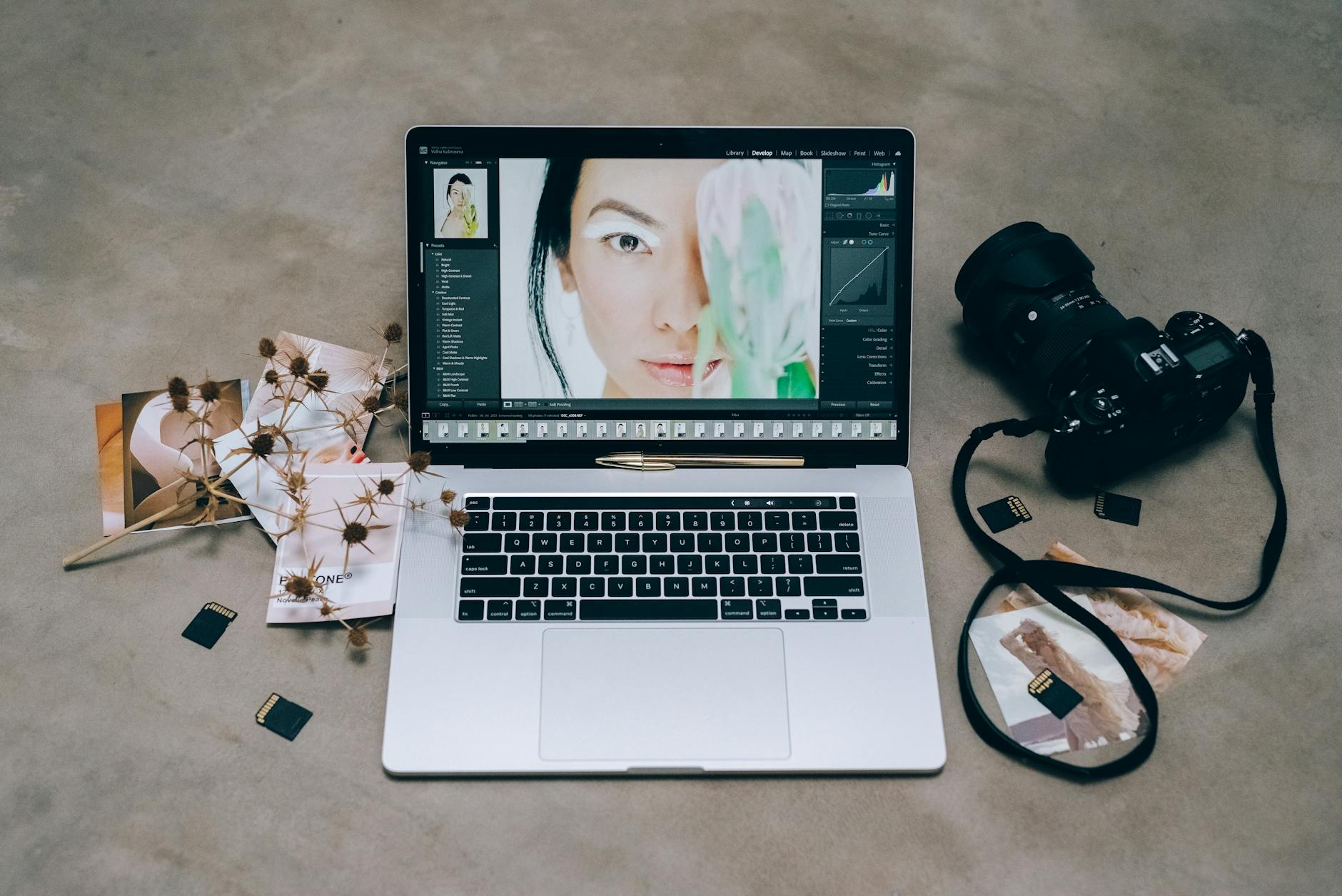
Now, let’s talk about the magical world of post-processing. After you’ve captured your photo, it’s time to sprinkle a bit of digital fairy dust. While better cameras often provide more flexibility in post-processing, the real sorcery lies in your editing skills.
Invest time in learning software like Adobe Lightroom or Snapseed. Understand color correction, cropping, and enhancing details. These skills, combined with your unique style, will elevate your photos, making them stand out regardless of the camera’s initial capabilities. It’s not about the camera; it’s about how you paint the final strokes on your visual canvas.
Focus on Growth, Not Gear
In the grand story of photography, your camera is just one character. The hero, however, is you – the young photographer with creativity and passion. Rather than fixating on a better camera, focus on growing your skills, exploring your style, and telling stories through your lens.
Remember, it’s not the gear that makes a photographer great; it’s the journey of self-discovery and artistic expression.


 Stephen Walton Photography
Leave a Comment