
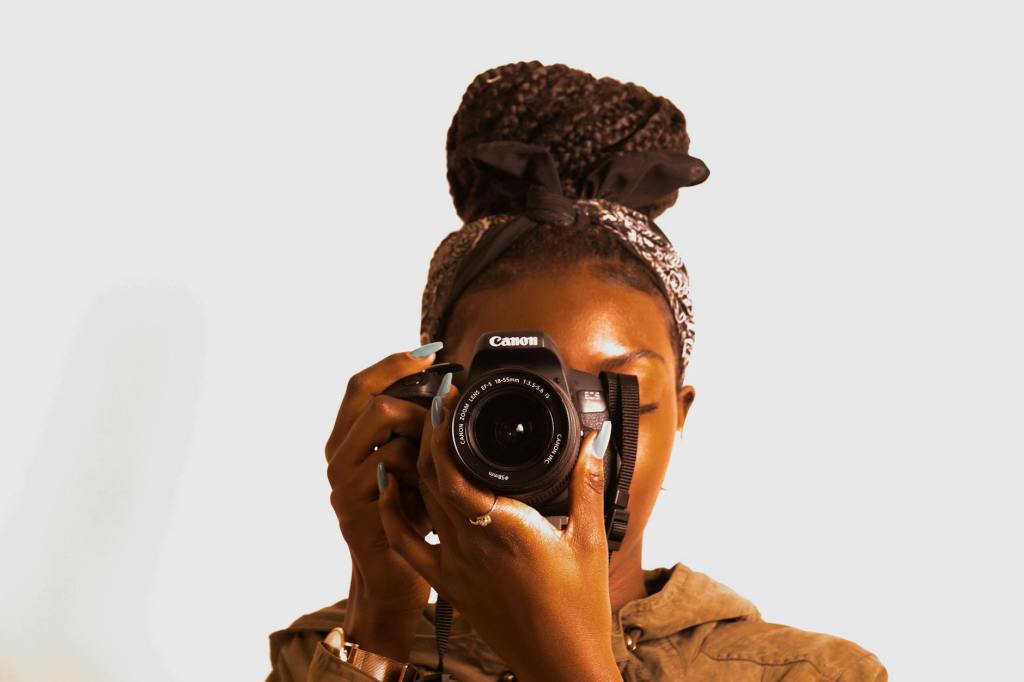
In photography, the simple question of ‘why’ holds immense transformative power. This section will explore the significance of questioning motives, intentions, and choices in the creative process. By understanding the ‘why’ behind your actions, you can unlock new dimensions of artistic expression and storytelling.
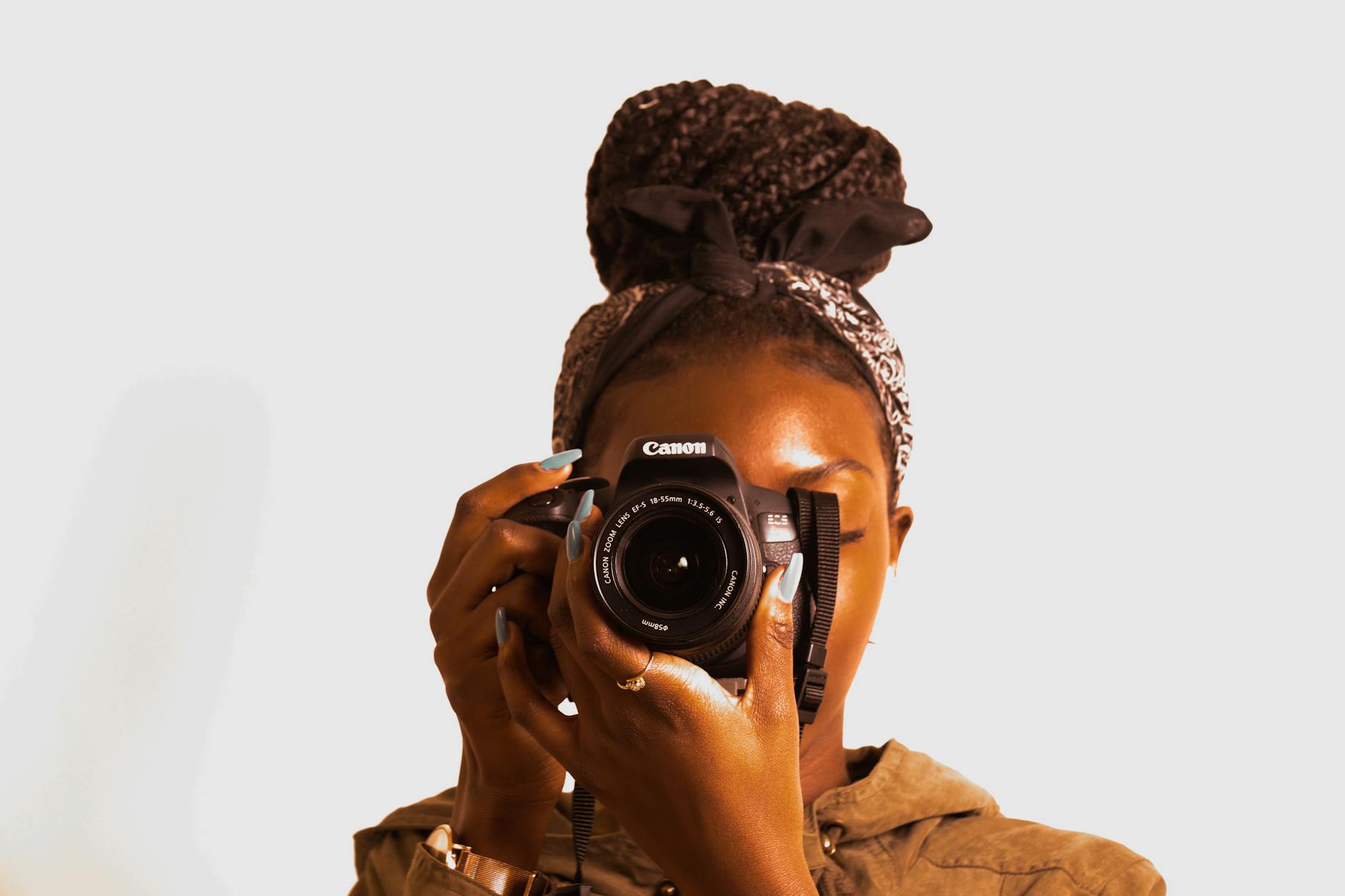
Clarifying Creative Intentions
Before pressing the shutter button, asking yourself ‘why’ can clarify your creative intentions. Whether it’s choosing a specific subject, framing a shot a certain way, or experimenting with unique techniques, this article aims to delve into how understanding the purpose behind your decisions can result in more intentional and impacting photographs.
Navigating Technical Choices
The ‘why’ extends beyond creative choices to technical decisions. Why did you choose a particular aperture, shutter speed, or ISO setting? This section will guide you through the importance of questioning the technical aspects of your photography, empowering you to make informed decisions that align with your artistic vision.
Knowing the technical specifications of your camera and accessories is crucial. Learn how to use different settings, modes, and features helps you maximise the capabilities of your equipment and capture the best possible images.
Questioning exposure settings (aperture, shutter speed, ISO) is fundamental to achieving well-exposed photographs. Understanding how these settings interact with each other allows you to control the amount of light entering the camera and avoid overexposure or underexposure.
Think about your chosen auto focus mode, focus points, and aperture settings helps you achieve precise focus and control over depth of field. This is crucial for emphasising specific elements in your composition and creating a desired level of sharpness.
Questioning white balance settings ensures accurate colour reproduction in your images. Understanding how different lighting conditions affect colour temperature helps you capture scenes with natural and lifelike colours.
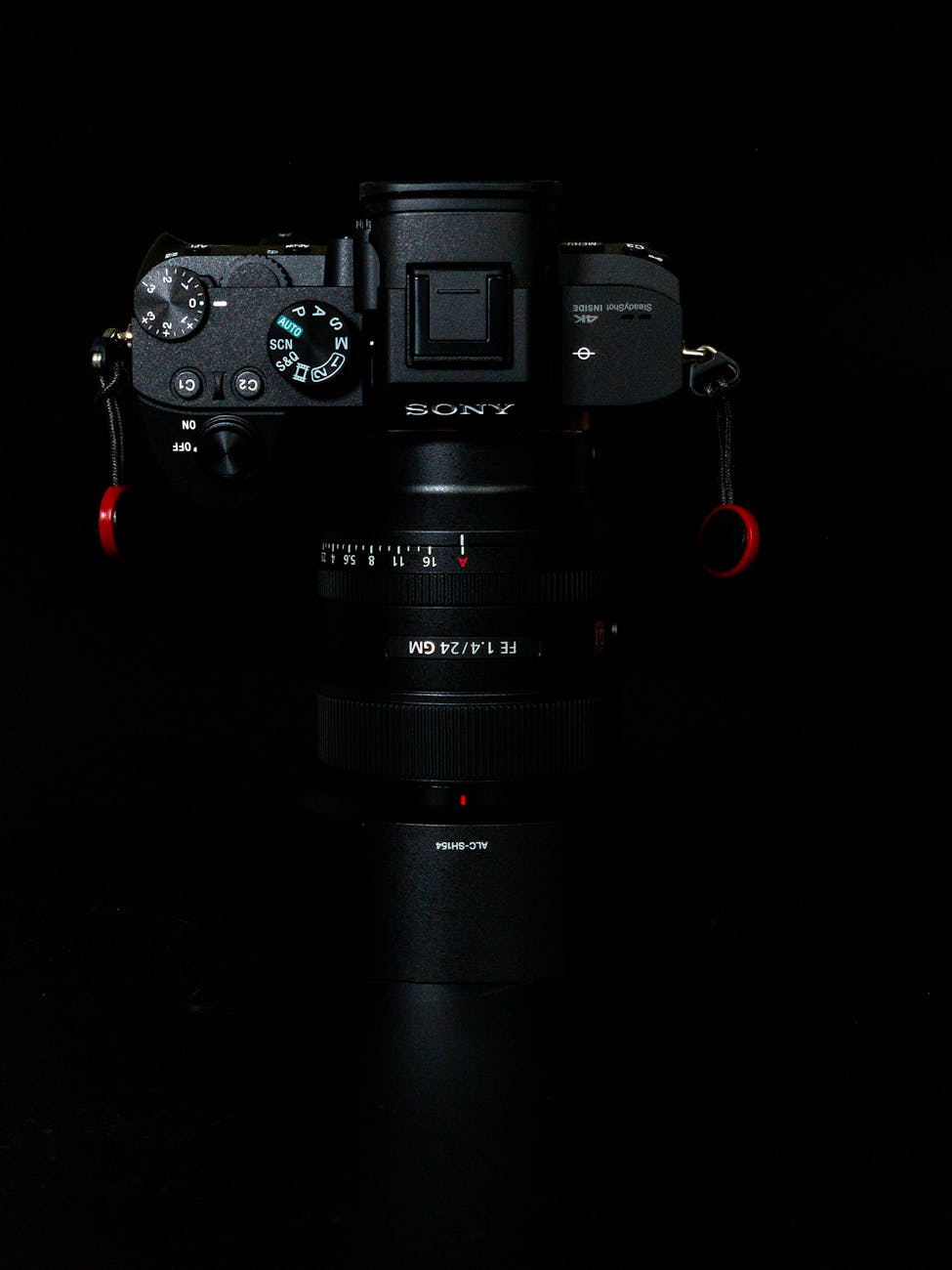
The ‘Why’ in Storytelling
Photography is a form of visual storytelling, and every story has a ‘why.’ This section will explore how asking ‘why’ can enhance the narrative power of your photographs.
From capturing decisive moments to choosing a specific angle, understanding the ‘why’ behind your storytelling choices can elevate your images from mere snapshots to compelling narratives.
Challenging Conventions with ‘Why’
Photographers who dare to ask ‘why’ often challenge conventions and break new ground. This section will showcase examples of photographers who questioned norms, defied expectations, and redefined the art of photography by consistently asking ‘why.’ Learn how embracing curiosity can lead to innovation and originality in your work.
Diane Arbus (1923-1971)
Diane Arbus was known for her unconventional approach to portraiture. At a time when conventional beauty standards were prevalent, Arbus focused on photographing marginalized and unconventional subjects.
Her work often featured individuals from the fringes of society, such as circus performers, transgender people, and those with physical and mental disabilities. By challenging societal norms of beauty and normalcy, Arbus made a significant impact on documentary photography.
Man Ray (1890-1976)
Man Ray was a leading figure in the Dada and Surrealist movements and is known for his avant-garde and experimental approach to photography. He questioned traditional photographic techniques and embraced unconventional methods, such as solarization and rayographs (cameraless photographs).
Man Ray’s work pushed the boundaries of what was considered acceptable in photography during his time and played a crucial role in the development of modern and conceptual photography.
Cindy Sherman (b. 1954)
Cindy Sherman is a contemporary photographer known for her groundbreaking work in self-portraiture. In her series “Untitled Film Stills,” Sherman questioned the traditional roles of women in society by creating fictional narratives through her photographs.
She portrayed herself in various characters and scenarios, challenging the notion of fixed identity and the objectification of women in both art and popular culture. Sherman’s work has been influential in feminist art and contemporary photography.
 Stephen Walton Photography
Leave a Comment