
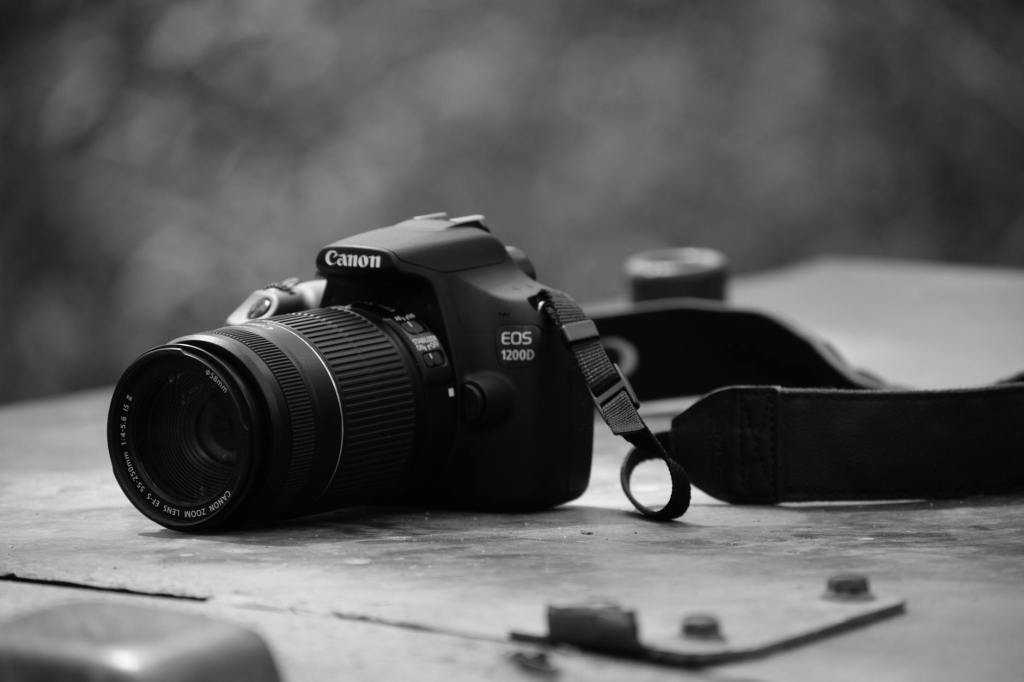
In the age of digital photography, the pursuit of the perfect shot is a constant quest. Yet, despite meticulous planning and execution, there are instances when photos fall short of expectations. In this post, we’ll discuss the allure of perfection in photography and the frustration that ensues when everything seems to go right – except the final result.
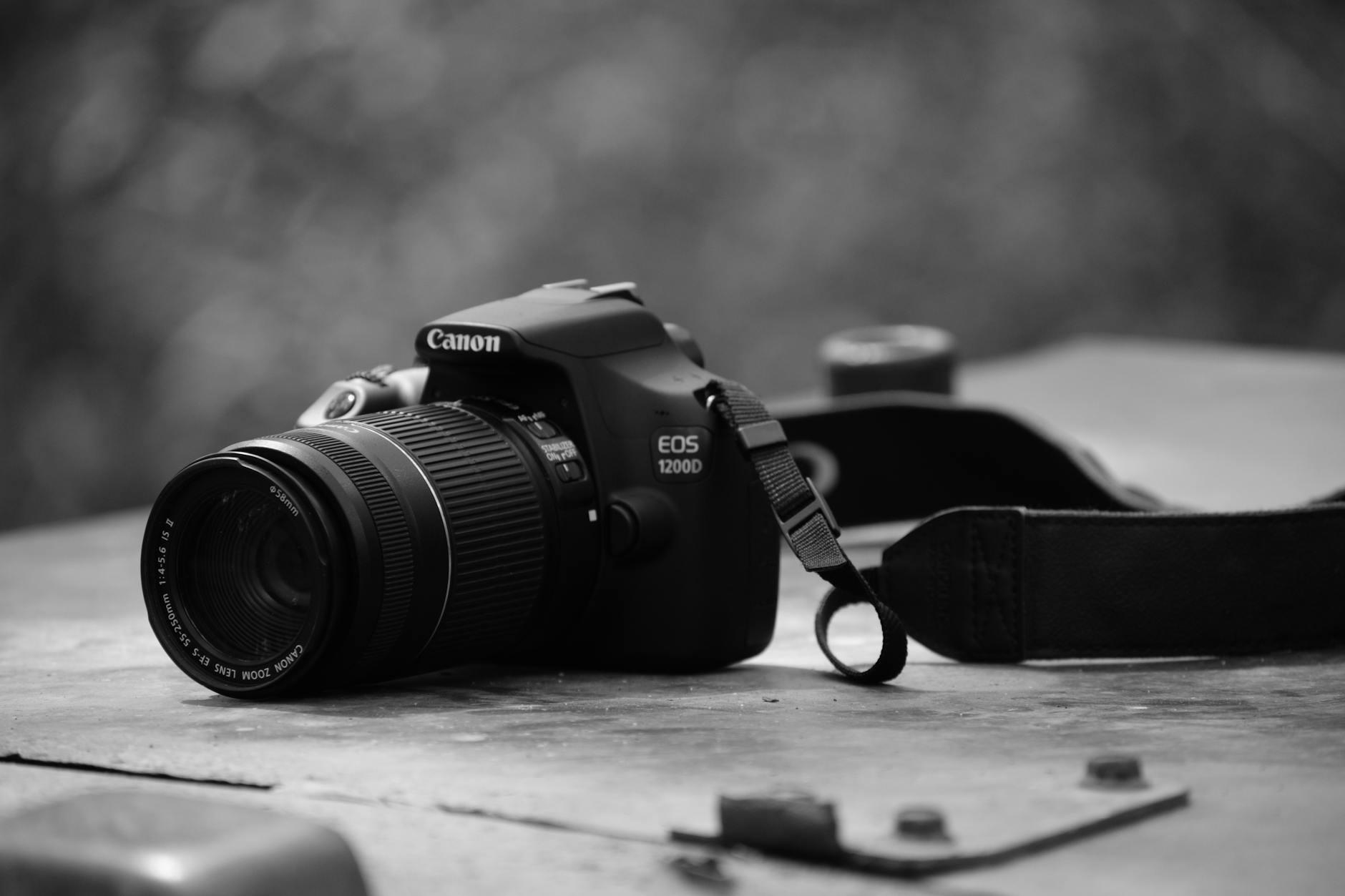
Unraveling the Technical Gremlins
Sometimes, the culprit behind a seemingly perfect photo turning bad is hidden in the technical details. From exposure settings to focus issues, this section will delve into the common technical gremlins that can sabotage your efforts. Understanding these pitfalls is the first step toward overcoming them and ensuring your photos match your creative vision.
Lighting Woes and Weather Woes
Lighting and weather conditions can make or break a photo. Despite your best efforts, unexpected changes in natural light or unpredictable weather patterns can throw a wrench into your plans. I want to explore how to adapt to different lighting scenarios and weather conditions, turning potential photo disasters into opportunities for creativity.

Composition and Perspective Predicaments
Even with flawless technical execution, composition and perspective can be stumbling blocks. This section will discuss the importance of thoughtful framing and how slight adjustments to your perspective can transform an ordinary photo into an extraordinary one. Learn how to navigate the intricacies of composition to avoid common pitfalls.
Thoughtful framing allows photographers to control what is included or excluded from the frame, helping eliminate distractions. This ensures that the viewer’s focus remains on the intended subject without being pulled away by irrelevant elements.
Framing can add depth to an image by incorporating foreground, middle ground, and background elements. This three-dimensional aspect enhances the visual interest and complexity of the photograph.
Effective framing guides the viewer’s eyes through the image in a deliberate manner. This visual flow can be achieved through leading lines, curves, or other compositional elements, creating a more engaging and dynamic photograph.
Embracing Imperfection as Artistry
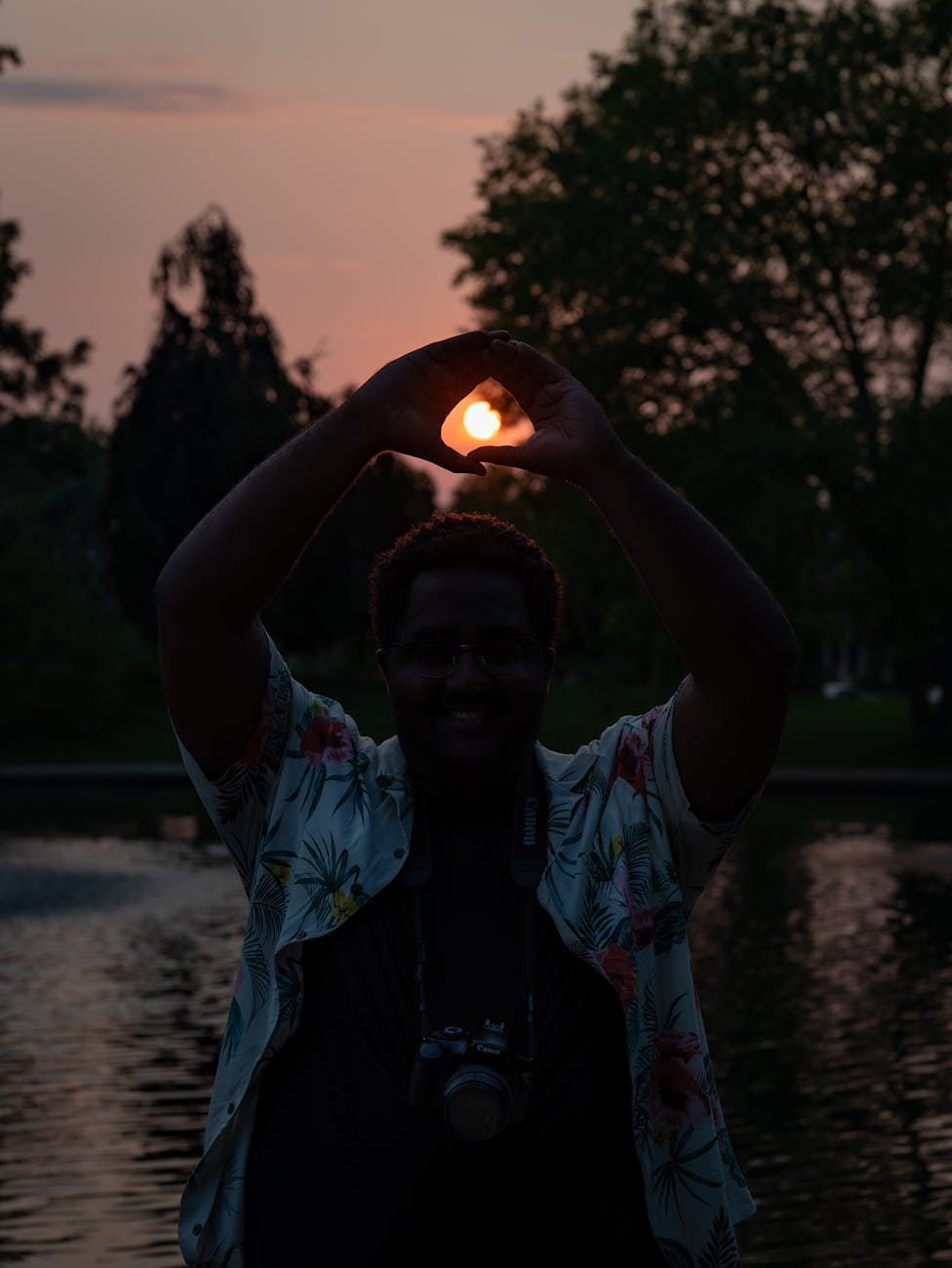
Perfection is overrated. In this section, we’ll challenge the notion that every photo must meet a predefined standard of flawlessness. Embracing imperfections as a form of artistic expression can liberate you from the frustration of photos not meeting conventional expectations. Sometimes, the beauty lies in the unexpected.
8 Ways to Enhance Your Photos in the Edit
When faced with a disappointing photo, all is not lost. This section will guide you through eight ways to salvage and enhance your images in post production. From adjusting exposure in the edit to creatively using filters, you’ll discover how to turn photo frustration into a valuable learning experience.
1. Contrast and Saturation: Enhance contrast and saturation to make colours pop. Use vibrancy or saturation sliders to boost colour intensity.
2. Selective Colour Adjustment: Adjust specific colours individually to fine-tune the overall color balance.
3. Gradient Filters: Apply gradient filters to selectively adjust exposure and colour in specific areas of the image.

4. HDR (High Dynamic Range): Merge multiple exposures to create an HDR image for a wider dynamic range. This can be particularly useful in challenging lighting conditions.
5. Vignetting: Add or reduce vignetting to draw attention to the subject or create a specific mood.
6. Cloning and Healing: Use cloning and healing tools to remove unwanted objects or blemishes from the image.
7. Creative Effects: Experiment with creative effects like blurring, texture overlays, or color grading to give the image a unique style.
8. Panorama Stitching: Combine multiple images into a panorama to capture a wider field of view.
 Stephen Walton Photography
Leave a Comment