

From architectural marvels to natural wonders, symmetrical compositions have an undeniable allure. In this section, we’ll explore why humans are inherently drawn to symmetry and how this fundamental aesthetic principle has stood the test of time in the world of photography.

6 Reasons People Like Symmetry
Evolutionary Advantage: Symmetry is often associated with health and genetic fitness. In nature, organisms with symmetrical features are generally considered more robust and healthy. For example, facial symmetry is often linked to perceived attractiveness, and it may indicate good health and strong genetic traits. Evolutionary pressures may have favored individuals who were drawn to symmetrical traits as potential mates for reproductive success.
Cognitive Processing: Humans are wired to process information efficiently, and symmetry simplifies visual information. Our brains are adept at quickly recognizing and processing symmetrical patterns, allowing for faster decision-making and understanding of our environment. Symmetry is a way for our brains to organize and make sense of complex visual stimuli.
Aesthetic Pleasure: Symmetry is often associated with beauty and harmony. Throughout art, architecture, and design, symmetry has been used to create aesthetically pleasing and balanced compositions. This aesthetic preference for symmetry may be related to the sense of order and coherence it brings, which can be visually appealing and emotionally satisfying.

Pattern Recognition: Humans are natural pattern seekers. Symmetry represents a simple and recognisable pattern, making it easier for our brains to identify and remember. This ability to recognize patterns quickly has likely been advantageous for survival throughout human evolution.
Visual Balance: Symmetry creates a sense of visual balance. Balanced compositions are generally perceived as more stable and harmonious. In art and design, a lack of symmetry can be used intentionally for specific effects, but overall, symmetry tends to provide a sense of equilibrium that is pleasing to the human eye.
Cultural Influences: Cultural factors also play a role in shaping our preferences for symmetry. Many cultures around the world incorporate symmetrical patterns in art, architecture, and religious symbolism. Exposure to these cultural representations from an early age may contribute to the human affinity for symmetry.
The Science of Visual Harmony
Why does symmetry create a sense of visual harmony? Later on I’ll delve into the science behind our brains’ preference for balanced compositions. Understanding the cognitive aspects of symmetry will not only enhance your appreciation for it but also provide practical insights into how you can leverage this knowledge to captivate your audience.
Symmetry in Everyday Life
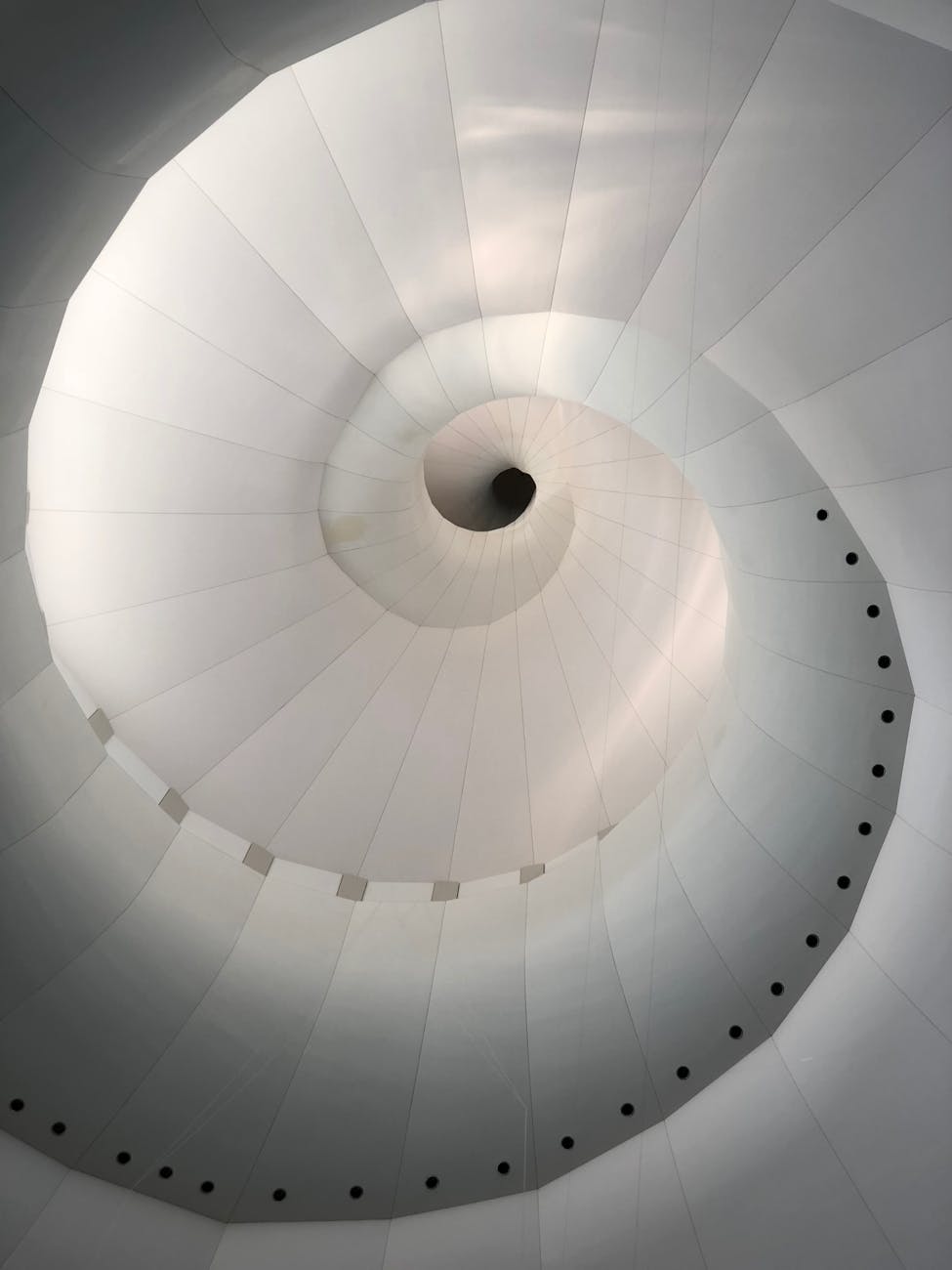
Symmetry isn’t confined to grand landscapes or intricate architecture; it’s a phenomenon present in our daily surroundings. This section will explore how photographers can find and capture symmetry in the ordinary, turning mundane scenes into visually compelling narratives. It’s about training your eye to recognise the beauty of balance in the world around you.
Seeing Symmetry in the Unremarkable
Symmetry often hides in plain sight within the ordinary and mundane. The first step for a photographer is to train the eye to recognize potential symmetrical elements in everyday scenes. Look for repeated patterns, reflections, and structures that might have inherent balance. Symmetry exists in the urban architecture, nature, and even mundane household items, waiting to be discovered.
Embrace Reflections and Water Surfaces
One of the simplest ways to find symmetry in the everyday is through reflections. Puddles, lakes, or even glass windows can create mirror-like surfaces that offer opportunities for stunning symmetrical compositions. Photographers can experiment with capturing both the reflected and actual elements, creating a harmonious interplay that adds depth to an otherwise commonplace scene.

Symmetry as a Storytelling Element
Symmetry isn’t just about aesthetics; it can also serve as a powerful storytelling element. This section will unravel 4 different ways how symmetrical compositions can enhance the narrative of your photos, conveying a sense of order, stability, or even disruption.
1. Stability and Order: Symmetry creates a sense of stability and order in an image. This can be particularly effective when you want to convey a sense of calmness, balance, or harmony in your narrative. The viewer’s eye is naturally drawn to balanced elements, providing a solid foundation for storytelling.
2. Attention Focus: Symmetry can serve as a powerful tool to guide the viewer’s attention to the central point of interest. The balanced arrangement allows the viewer to focus on the subject without distraction, making it easier to convey a specific message or tell a story.
3. Reinforcement of Themes: Symmetry can reinforce certain themes or concepts within your narrative. For example, if your story revolves around balance, equality, or unity, a symmetrical composition can visually support these ideas and strengthen the overall impact of your message.
4. Formal Elegance: Symmetry often conveys a sense of formal elegance and sophistication. This can be beneficial when your narrative requires a more refined or classical aesthetic. The formal quality of symmetry can elevate the perceived importance of the subjects in your photos.

Crafting Symmetrical Masterpieces
Ready to elevate your photography game with symmetry? I’ve got 4 practical tips and techniques for capturing and enhancing symmetrical compositions. From framing and perspective to post-processing tricks, you’ll gain insights that empower you to create symmetrical masterpieces that leave a lasting impression.
1. Use a Tripod
To achieve perfect symmetry, stabilise your camera on a tripod. This helps avoid camera shake and ensures a crisp and aligned composition.
2. Centre Your Subject
Place your symmetrical subject in the center of the frame for a classic and balanced look. This works well for many architectural and natural symmetrical scenes.
3. Play with Perspective
Experiment with different angles and perspectives to find unique symmetrical compositions. Shoot from different heights or try an overhead perspective to add interest.
4. Mirror Images
Consider using reflections in water, glass, or other reflective surfaces to create a mirrored effect. This adds depth and complexity to your symmetrical composition.
 Stephen Walton Photography
Leave a Comment