
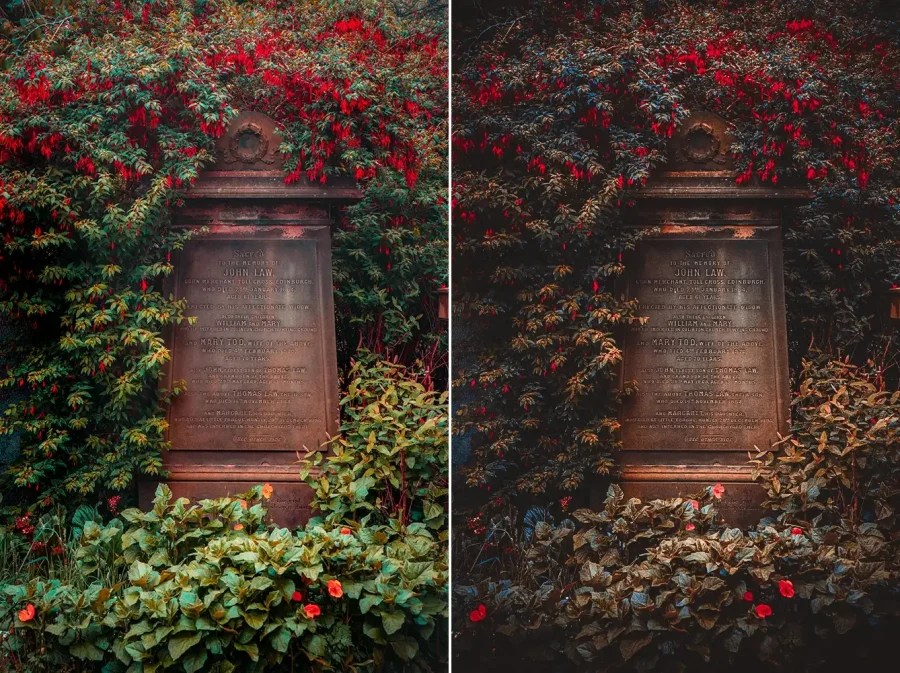
Creating a story within a photograph is akin to weaving a narrative that transcends the boundaries of time and space. It’s about capturing not just an image but an emotion, a moment frozen in time that evokes a sense of connection and resonance with the viewer.
In today’s visually saturated world, where social media platforms serve as the primary showcase for photography, the importance of storytelling in images has never been more crucial.
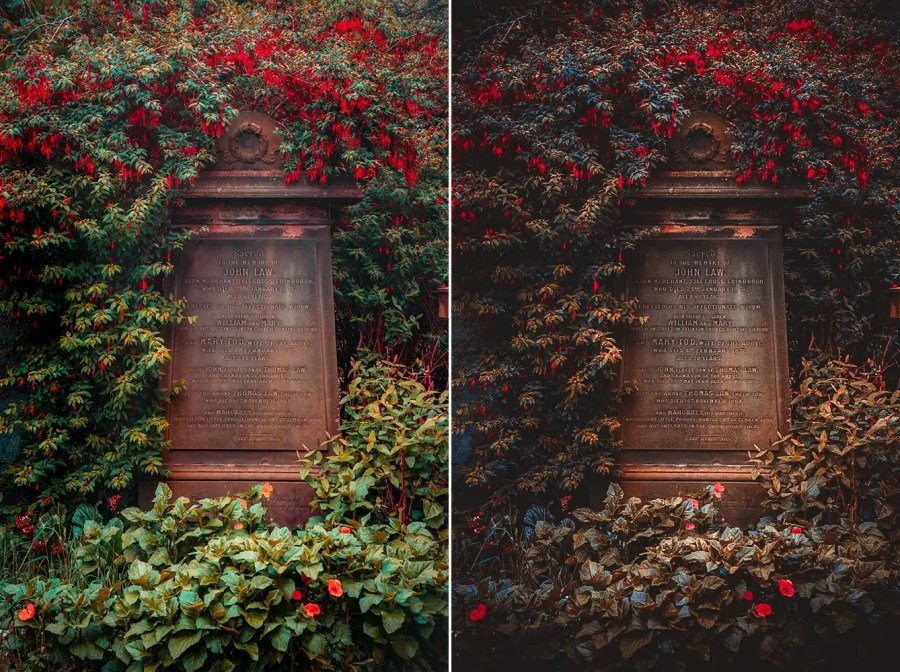
The Power of Storytelling in Photography
A photograph with a compelling story has the power to evoke emotions, whether it’s joy, sadness, nostalgia, or awe. By capturing the human experience in all its complexity, photographers can create images that resonate deeply with viewers, forging a meaningful connection that transcends language and culture.
Stories can draw viewers into the narrative, encouraging them to linger, explore, and immerse themselves in the world captured within the frame. A photograph that tells a story invites viewers to become active participants in the storytelling process, sparking their imagination and igniting their curiosity.
Images that tell a story are more likely to be remembered and shared. By imbuing their photographs with narrative depth and meaning, photographers can create memorable experiences that leave a lasting impression on viewers long after they’ve scrolled past.

Images Should be Authentic and Relatable
Storytelling in photography fosters authenticity and relatability, allowing viewers to see themselves reflected in the images they encounter. By capturing authentic moments and genuine emotions, photographers can create images that resonate with the lived experiences of their audience, fostering a sense of connection and understanding.
Social Impact: Photography has the power to spark conversations, challenge perceptions, and inspire action. Images that tell powerful stories have the potential to raise awareness about important social issues, promote empathy and understanding, and drive positive change in the world.

The Rise of Style and Trends in Social Media Photography
While storytelling has always been a fundamental aspect of photography, the advent of social media has led to a shift in priorities for many photographers. In the quest for likes, follows, and engagement, style and trends have often taken precedence over substance and storytelling. The rise of platforms like Instagram, with its emphasis on visual aesthetics and curated feeds, has fueled a culture of image-centricity where style and trends reign supreme.
Instant Gratification
Social media platforms thrive on instant gratification, with users scrolling through countless images in search of visual stimulation. In this fast-paced environment, style and trends that catch the eye and elicit immediate reactions often take precedence over images that require deeper contemplation and engagement.

Algorithmic Pressures
Social media algorithms prioritise content that is visually striking, timely, and on-trend, often favoring images that fit within established aesthetic norms and conventions. As a result, photographers may feel compelled to conform to these standards in order to gain visibility and traction on social media platforms.

Cultural Influences
The rise of influencer culture and the pervasive influence of social media influencers have further perpetuated certain aesthetic trends and visual styles. Photographers may feel pressure to emulate these trends in order to stay relevant and maintain their social media presence.
Commercialisation of Photography
The commercialisation of photography on social media platforms has led to an emphasis on marketability and ‘brand-ability’, with photographers often prioritising style and trends that appeal to a broad audience and align with commercial interests.
Finding a Balance Between Style & Substance
While the allure of style and trends in social media photography is undeniable, it’s important for photographers to strike a balance between aesthetic appeal and storytelling depth.
Ultimately, the most impactful images are those that marry style with substance, combining visual beauty with narrative richness to create an immersive and unforgettable experience for the viewer.

Photographers can reclaim the art of storytelling in photography by prioritising authenticity, emotional resonance, and narrative depth in their work.
By focusing on the stories they want to tell and the emotions they want to evoke, photographers can create images that transcend fleeting trends and leave a lasting impact on viewers.
In an era where attention spans are short and visual overload is the norm, storytelling in photography offers a powerful antidote—a way to cut through the noise and forge genuine connections that endure beyond the scroll.
 Stephen Walton Photography
Leave a Comment