
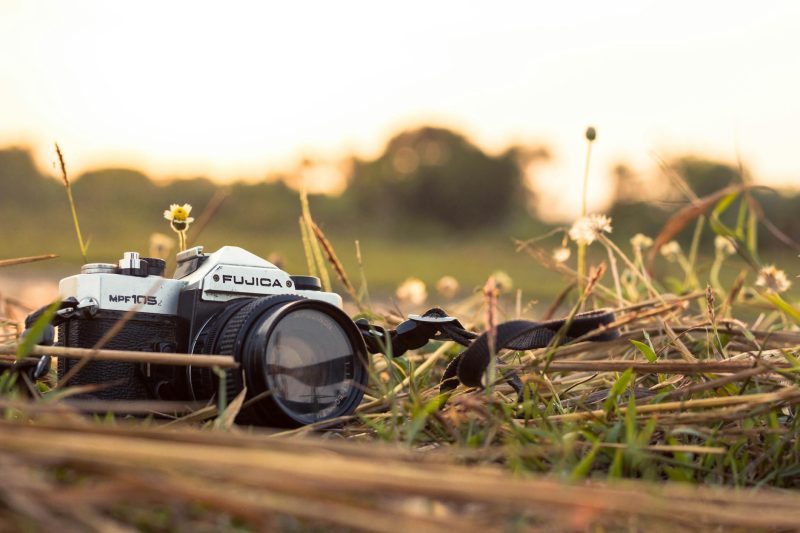
Balancing a 9-5 job and family commitments with pursuing a passion like photography can be challenging, but with some practical strategies and creative thinking, it’s possible to carve out time for practice and learning.
Here are some tips and ideas to help you make more time for photography:

Plan and Prioritise
Define your photography goals and prioritise the areas you want to focus on, whether it’s mastering a new technique, building a portfolio, or exploring a specific genre.
Block out dedicated time for photography in your weekly schedule, just like you would for other commitments. Whether it’s an hour before work, during lunch breaks, or on weekends, having a set schedule helps ensure that you make consistent progress.
Talk to your family about your passion for photography and the importance of having dedicated time to pursue it. Collaborate with your family to find a schedule that works for everyone and consider involving them in your photography outings whenever possible.
Make the Most of Short Time Slots
Use your lunch breaks to explore nearby locations or capture interesting scenes around your workplace. Even a short walk with your camera can provide opportunities for creativity and inspiration.
Take advantage of the golden hour—early morning or late afternoon—when the light is soft and flattering for photography. Even if you only have a few minutes before or after work, you can capture stunning images during these times.

Utilise Downtime for Learning
Set aside time before bed or during your commute to read photography books, articles, or online resources. Look for books on composition, lighting, and post-processing techniques, or explore blogs and websites dedicated to photography education.
Enroll in online courses or watch tutorial videos during your free time. Platforms like Udemy, Skillshare, and YouTube offer a wide range of photography courses and tutorials covering various topics and skill levels.
Listen to photography podcasts or audio books while commuting, exercising, or doing household chores. Podcasts like “The Candid Frame,” “The Art of Photography,” and “Master Photography” offer valuable insights and tips from experienced photographers.
Stay Organised and Efficient
Before heading out to shoot, plan your locations, subjects, and desired shots. This helps maximise your time in the field and ensures that you make the most of every opportunity.
Develop efficient workflows for organising, editing, and sharing your photos. Use tools like Lightroom presets, batch editing, and social media scheduling to streamline your post-processing and publishing process.

Seek Inspiration and Community
Follow photographers, photography channels, and influencers on social media platforms like Instagram, YouTube, and Flickr for inspiration and learning. Look for photographers whose work resonates with you and learn from their techniques and approaches.
Join online photography communities, forums, or local photography clubs to connect with like-minded enthusiasts, share your work, and receive feedback and support.

Recommended YouTube Channels

Recommended Online Courses
FEATURED: The VuePoint Partner Courses with iPhotography
Photography Masterclass: A Complete Guide to Photography
The Fundamentals of Photography
Recommended Books
“Understanding Exposure” by Bryan Peterson
“The Photographer’s Eye” by Michael Freeman
“The Digital Photography Book” series by Scott Kelby
By implementing these strategies and seeking out quality resources and influencers, you can effectively balance your passion for photography with your professional and family responsibilities, making the most of your time and opportunities for growth.
Remember that consistency and dedication are key to progress, so keep shooting, learning, and exploring, one step at a time.

 Stephen Walton Photography
Leave a Comment