

Making learning more memorable involves engaging with the material in various ways to reinforce your understanding and retention.
Here are some specific exercises tailored for learning new facts and techniques in photography, along with step-by-step directions and points to avoid.

1. Practice with a Purpose
Embarking on a journey to master photography involves more than just snapping pictures—it requires a deliberate and purposeful approach to learning.
By setting clear objectives, breaking down complex techniques into manageable components, and engaging in hands-on practice, photographers can deepen their understanding and proficiency.
However, it’s essential to avoid the temptation to rush through the learning process, as patience and thoroughness are key to building a solid foundation of skills.
Step 1: Before diving into a new photography technique, set clear objectives for what you want to learn. Whether it’s mastering exposure settings, understanding composition rules, or experimenting with lighting techniques, having specific goals will focus your efforts.
Step 2: Break down the technique into smaller, manageable components. For example, if you’re learning about exposure, focus on understanding aperture, shutter speed, and ISO individually before combining them.
Step 3: Apply what you’ve learned through hands-on practice. Take your camera out and experiment with different settings and scenarios. Start with simple exercises and gradually increase complexity as you gain confidence.
Don’t rush through the learning process. Take the time to fully grasp each concept before moving on to the next. Rushing can lead to confusion and frustration.

2. Visual Learning
In a visual medium like photography, leveraging visual learning techniques can significantly enhance comprehension and retention.
Incorporating diagrams, infographics, and videos to supplement traditional learning materials can provide invaluable insights and make abstract concepts more tangible.
By creating visual notes and summaries, photographers can transform complex ideas into easily digestible visuals, fostering deeper understanding and memory recall. However, it’s crucial to strike a balance between visual and text-based resources to ensure a comprehensive learning experience.
Step 1: Use visual aids such as diagrams, infographics, or videos to reinforce your understanding of photographic techniques. Visualising concepts can make them easier to remember.
Step 2: Instead of traditional text-based notes, create visual summaries of key concepts using sketches, mind maps, or doodles. This creative approach can help you retain information more effectively.
Step 3: Regularly review your visual notes to reinforce your memory. Add new insights or connections as you continue to learn and practice.
Don’t rely solely on text-based resources. Engage with visual content to stimulate different parts of your brain and enhance memory retention.

3. Teach Others
Teaching is not only a noble endeavor but also a powerful tool for reinforcing one’s own learning. By articulating photographic concepts aloud and sharing their knowledge with others, photographers can solidify their understanding and gain fresh perspectives.
Through teaching, individuals are challenged to clarify their thoughts, answer questions, and explain concepts in different ways, leading to deeper comprehension and mastery.
It’s important to approach teaching with humility and openness, recognising that learning is a reciprocal process where both the teacher and the student benefit.
Step 1: Teaching is one of the most effective ways to reinforce your own learning. Explain photographic techniques and concepts aloud as if you were teaching them to someone else.
Step 2: Share your photography knowledge with friends, family, or online communities. Teaching others not only solidifies your understanding but also helps you gain new perspectives and insights.
Step 3: Encourage feedback from those you teach. Their questions and observations can highlight areas where you need to clarify your understanding or deepen your knowledge.
Don’t shy away from teaching because you feel you’re not an expert. Teaching is a process of continuous learning and improvement, regardless of your level of expertise.
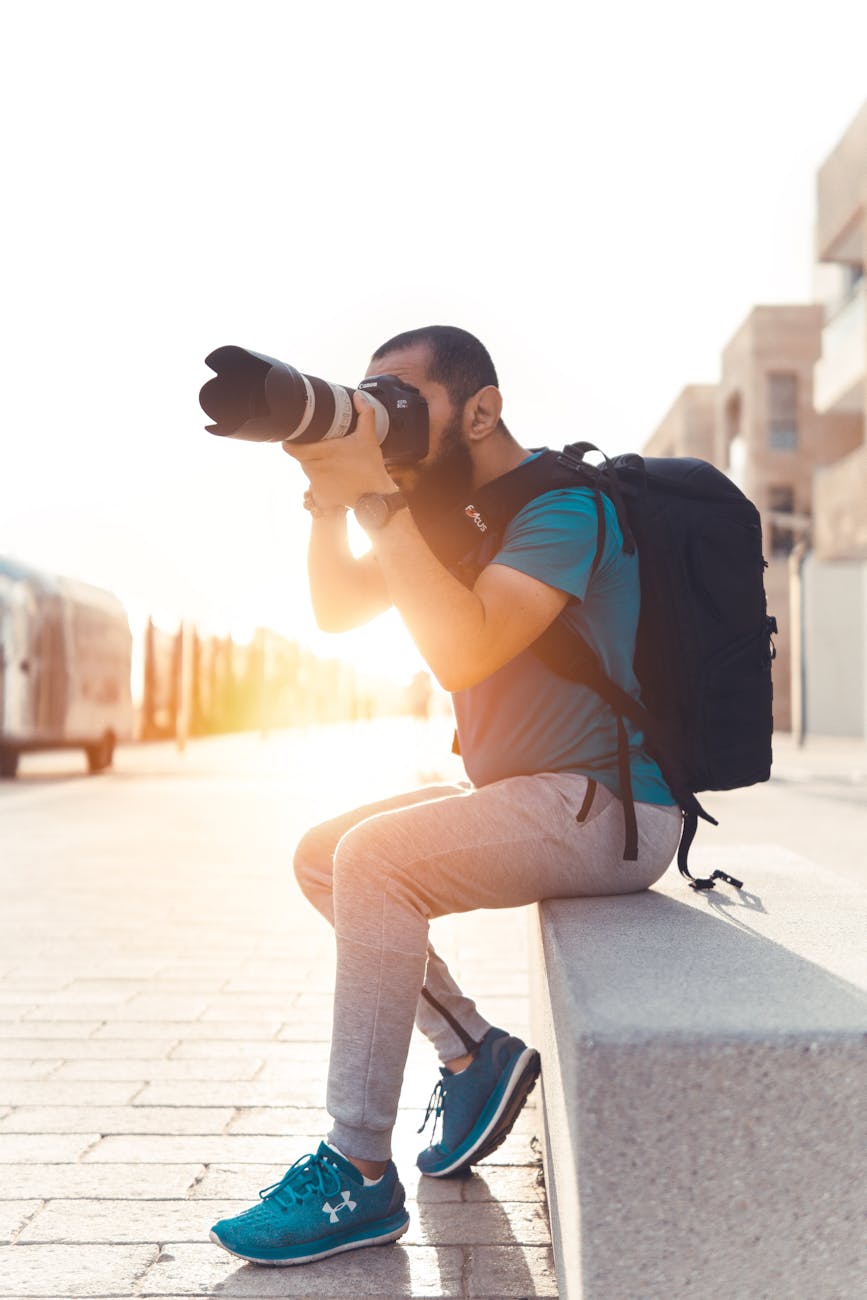
4. Reflective Practice
Reflective practice lies at the heart of continuous improvement and growth in photography. By taking the time to reflect on their learning experiences, photographers can gain valuable insights into their strengths, weaknesses, and areas for development.
Keeping a learning journal allows individuals to document their progress, record lessons learned, and set actionable goals for the future. Through reflective practice, photographers cultivate self-awareness, adaptability, and resilience, empowering them to navigate the complexities of their craft with confidence and clarity.
However, it’s essential to strike a balance between self-reflection and action, ensuring that insights gained are translated into tangible learning outcomes.
Step 1: Take time to reflect on your learning experiences. What techniques worked well for you? What challenges did you encounter? Reflective practice enhances self-awareness and helps identify areas for growth.
Step 2: Maintain a learning journal where you can record your reflections, insights, and observations. Write about your successes, failures, and lessons learned during your photography journey.
Step 3: Set specific, measurable learning goals for yourself based on your reflections. Whether it’s mastering a new editing technique or improving your composition skills, setting goals will keep you focused and motivated.
Avoid being too self-critical in your reflections. While it’s important to acknowledge areas for improvement, be kind to yourself and celebrate your progress along the way.

Summary
By incorporating these exercises into your learning routine, you can make the process of learning new facts and techniques in photography more engaging, memorable, and enjoyable.
Remember to tailor these strategies to suit your individual learning style and preferences.
 Stephen Walton Photography
Leave a Comment