

Photography is a skill that combines technical knowledge with creative vision. Whether you’re learning photography for yourself or guiding someone else through the process, the right approach makes all the difference.
Over the years, I’ve found that structured learning, hands-on practice, and mentorship are key to mastering photography techniques. In this article, I’ll break down the most effective ways to teach and learn photography, from foundational principles to advanced skills.
Start with the Fundamentals
Learning photography begins with understanding the basics. Before diving into advanced techniques, it’s essential to grasp the fundamental concepts that form the foundation of all great images.
For beginners, I always recommend starting with the exposure triangle: aperture, shutter speed, and ISO. These three elements control how light interacts with the camera sensor. A practical way to teach this is through controlled exercises.
For example, have students take the same photo while adjusting only one setting at a time. This helps them see the direct impact of each variable on exposure.

Composition is equally important. The rule of thirds, leading lines, and framing are all critical techniques that can dramatically improve an image. A useful exercise is to take a series of photos using different compositional techniques and compare them side by side.
This allows students to understand how composition directs the viewer’s eye.
Learn Through Hands-On Practice
Theory alone isn’t enough to develop strong photography skills. Hands-on experience is where true learning happens. The best way to learn photography is to practice regularly, experimenting with different techniques and shooting environments.
One effective method is photo challenges. Set a specific task, such as capturing motion blur, using natural light effectively, or creating a portrait with a single light source. These exercises encourage problem-solving and creativity while reinforcing technical skills.
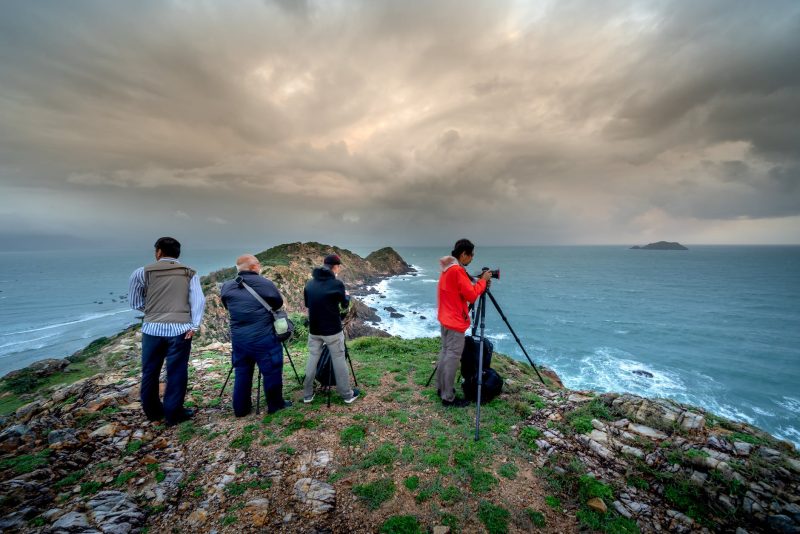
Another approach is guided photo walks. Walking through a city, nature reserve, or even a simple street with a camera in hand allows learners to apply their knowledge in real-world conditions.
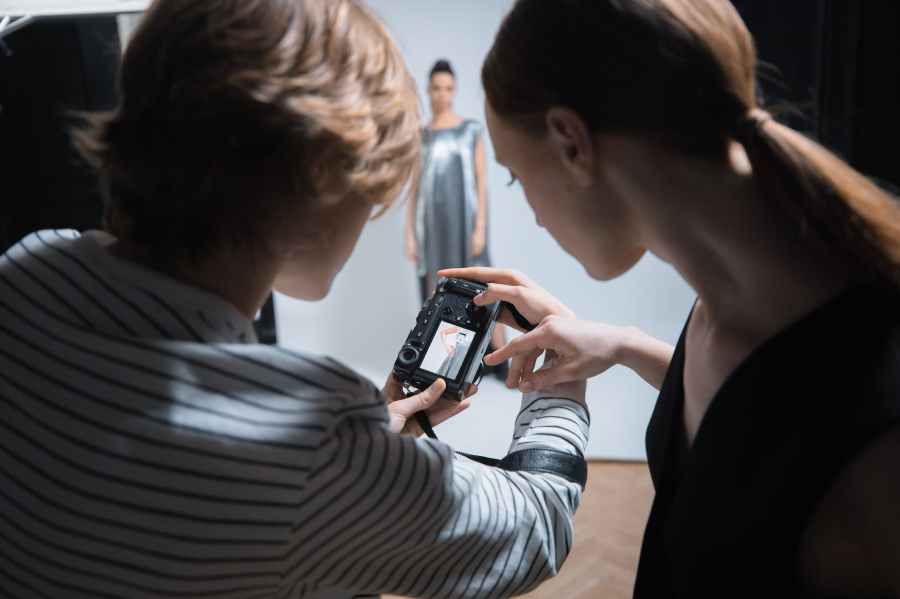
If you’re teaching, provide real-time feedback by reviewing photos on the spot. This immediate critique helps learners make adjustments in the moment, which is far more effective than waiting until after a shoot.
The Importance of Photography Mentors
Photography mentors play a crucial role in skill development. Learning from someone with more experience accelerates progress by providing personalised guidance and feedback.
Finding a mentor can be as simple as joining a local photography club or an online community where experienced photographers share their knowledge. If you’re teaching, make yourself available for questions and constructive critique. Regular feedback sessions, whether in person or online, help learners refine their skills and identify areas for improvement.
For those learning photography on their own, studying the work of experienced photographers can also serve as a form of mentorship.
Analyse their composition, lighting, and techniques, then try to replicate them in your own work. This practice helps develop a keen eye for detail and a better understanding of what makes a photograph effective.
Structured Learning Through Courses and Workshops
A structured learning approach can provide a clear path for skill development. Photography courses, whether online or in-person, offer a step-by-step method to learning photography techniques in a logical sequence.
Workshops provide a more immersive experience. Unlike online tutorials, they allow for hands-on learning with direct guidance from an instructor.
If you’re teaching, ensure that workshops are interactive, with practical exercises rather than just lectures. Breaking down complex topics into small, digestible sections prevents students from feeling overwhelmed and encourages steady progress.
Online courses are another great option for structured learning. They offer flexibility and allow students to learn at their own pace. When choosing a course, look for ones that include assignments and feedback, as this enhances learning retention.
Using Photo Critique to Improve Skills
Photo critique is an invaluable tool for growth. Constructive criticism helps photographers understand what works in an image and what can be improved. However, critiques must be structured properly to be effective.
A good critique should start with what works well in the image, whether it’s composition, lighting, or mood. Then, move on to areas for improvement, offering specific suggestions rather than vague opinions. Instead of saying “this photo doesn’t work” explain why, such as “the highlights are overexposed, which reduces detail in the subject’s face.”
For learners, regularly submitting work for critique—whether to mentors, online communities, or photography groups—can provide new perspectives and accelerate skill development.
If you’re teaching, encourage students to analyse their own work critically, as self-reflection is a key part of growth.
Developing a Personal Photography Style
As technical skills improve, developing a personal style becomes the next step. Style is what makes a photographer’s work unique, and it’s shaped by experience, influences, and creative choices.
To cultivate a style, photographers should experiment with different techniques, genres, and editing approaches. Analysing one’s own work over time can reveal patterns in subject matter, composition, or colour treatment.
Keeping a portfolio of favourite images can help identify these recurring elements and refine them into a signature style.
For teachers, encouraging students to explore different styles rather than conforming to a set standard is important. Creativity should be nurtured, not restricted. Give assignments that challenge photographers to step out of their comfort zones while still allowing room for personal expression.
The Role of Editing in Learning Photography
Post-processing is an essential skill in modern photography. Learning photography isn’t just about capturing the image but also about refining it in editing software.
Beginners should start with basic adjustments, such as exposure correction, white balance, and contrast. Software like Adobe Lightroom or Capture One provides intuitive tools for these fundamental edits.
As skills progress, more advanced techniques such as dodging and burning, colour grading, and retouching can be explored.
For teaching, it’s important to demonstrate a non-destructive workflow—using adjustment layers and masks rather than making permanent changes. Hands-on editing sessions where students edit their own photos under guidance can significantly improve their post-processing skills.

Conclusion
Photography is a continuous learning process, whether you’re just starting or have years of experience. The best way to learn photography is through a combination of theory, hands-on practice, mentorship, structured education, and critique.
If you’re teaching, guiding students through these steps with clear, practical exercises will help them build confidence and skill.
For those learning independently, finding photography mentors, studying great images, and engaging in structured practice will accelerate progress. The key is consistency—regularly applying what you learn is the most effective way to improve.
 Stephen Walton Photography
Leave a Comment