
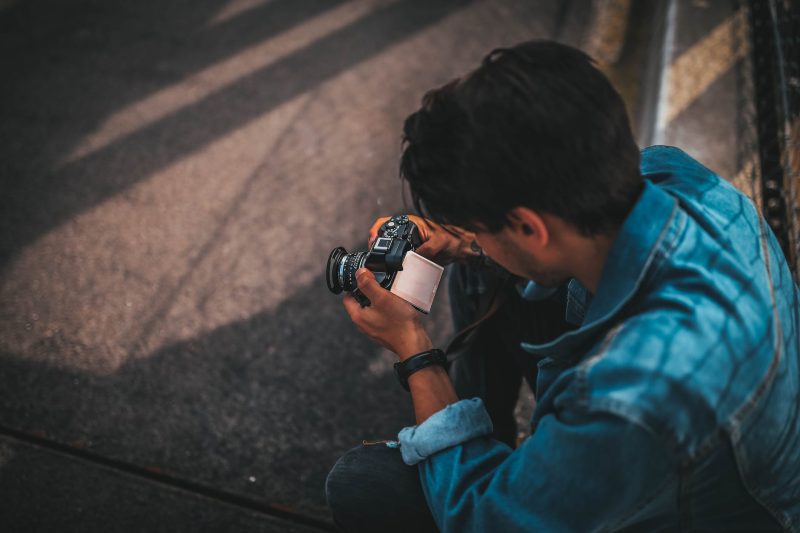
Light and shadow define the mood, depth, and storytelling potential of an image. Whether working with natural or artificial light, understanding how to manipulate these elements is key to creating compelling photographs.
The Role of Light in Photography
Light is more than just illumination—it shapes the way an image is perceived. The direction, quality, and intensity of light determine contrast, depth, and emotional tone.
- Soft Light: Creates gentle shadows and smooth transitions, ideal for portraits and serene compositions.
- Hard Light: Produces sharp, dramatic shadows, often used for high-contrast imagery.
- Natural Light: The sun’s position affects the mood—golden hour light is warm and flattering, while midday light can be harsh.
- Artificial Light: Studio lighting, street lamps, and other sources give control over the intensity and direction of light.
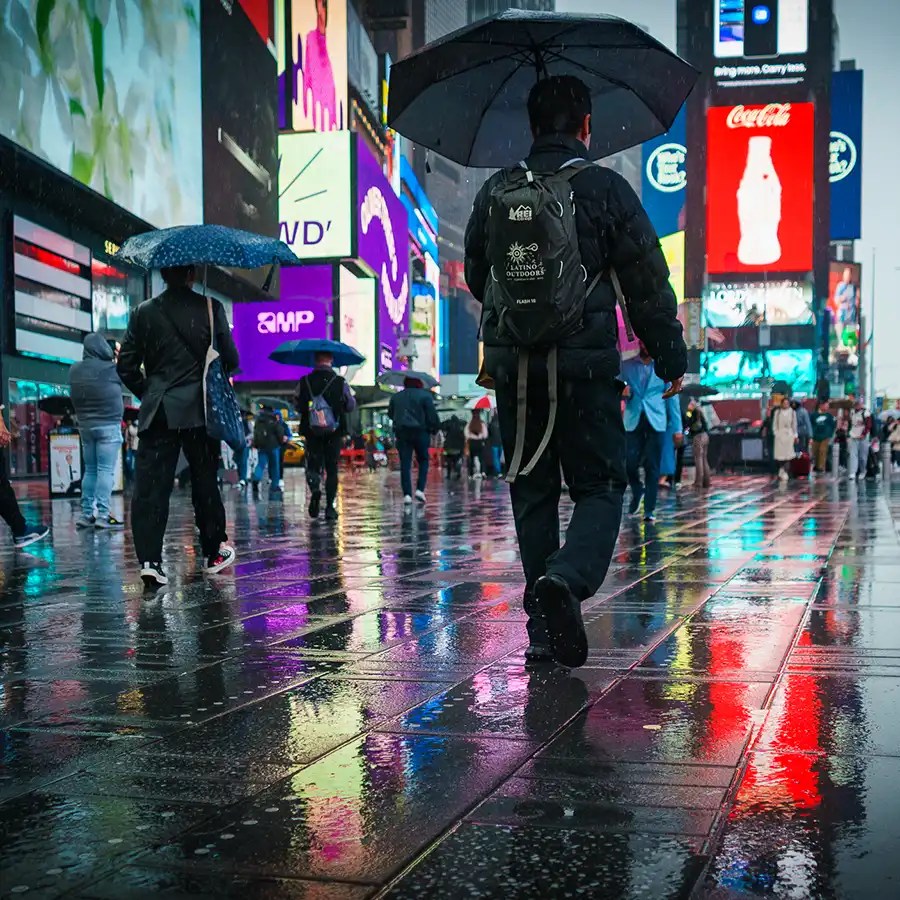
Shadows as a Storytelling Tool
Shadows add intrigue and drama. They can conceal details, create patterns, or highlight textures. Consider these techniques:
- Silhouettes: Backlighting a subject creates mystery and simplicity.
- Chiaroscuro: A technique using stark contrasts between light and dark for a dramatic effect.
- Leading Shadows: Shadows can guide the eye towards the main subject, enhancing composition.
Practical Steps for Using Light and Shadow
Step 1: Observe Light Throughout the Day
Pay attention to how light changes from morning to night. Note how different times impact contrast and shadow depth.
Step 2: Experiment with Directional Light
Try side lighting for depth, backlighting for silhouettes, and front lighting for clarity. Each approach affects the story differently.
Step 3: Use Shadows Creatively
Frame subjects with shadows, play with reflections, and experiment with high-contrast setups to see how shadow placement influences the image.
Step 4: Post-Processing Adjustments
Enhance light and shadow effects using editing software. Adjust contrast, dodge and burn specific areas, and refine highlights to fine-tune the mood.
Final Thoughts
Mastering light and shadow allows photographers to add depth, emotion, and storytelling elements to their images. By understanding how these elements interact, you can create powerful, visually compelling photos that communicate more than just a scene—they tell a story.
 Stephen Walton Photography
Leave a Comment