
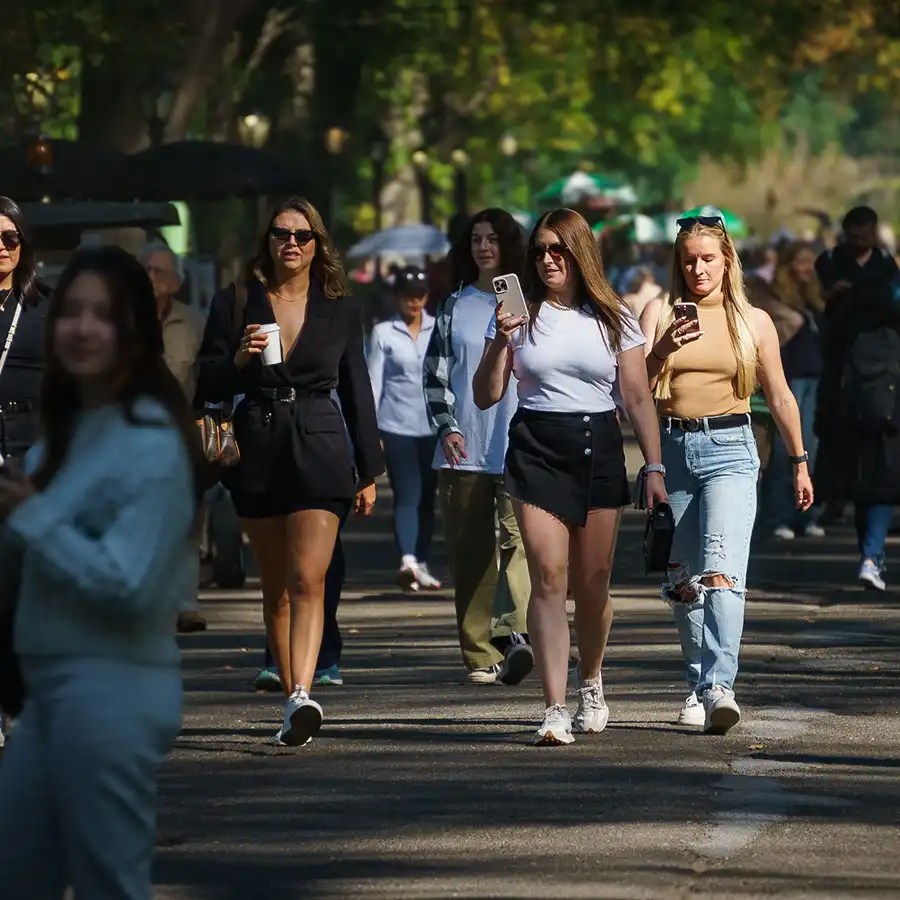
Photography often rewards those who wait. Whether capturing landscapes, wildlife, or street scenes, patience is crucial for getting the best possible shot. Rushing leads to missed moments, but taking the time to observe and anticipate can result in images that stand out.
Why Patience Matters in Photography
The best photos often require waiting for the right combination of light, subject, and composition. Patience allows photographers to:
- Capture authentic expressions in portraits
- Wait for ideal lighting conditions
- Observe and anticipate decisive moments
- Improve framing and composition
- Avoid settling for mediocre shots
Situations Where Patience Makes a Difference
1. Waiting for the Right Light
Lighting is one of the most critical elements in photography. Golden hour, for example, produces soft, flattering light that enhances images. Instead of shooting in harsh midday light, waiting for sunrise or sunset can elevate the final result.
2. Wildlife and Nature Photography
Animals don’t pose on command. Capturing a compelling wildlife shot requires waiting for the right moment—whether it’s a bird in flight, an animal interacting with its environment, or a dramatic change in weather.
3. Street Photography
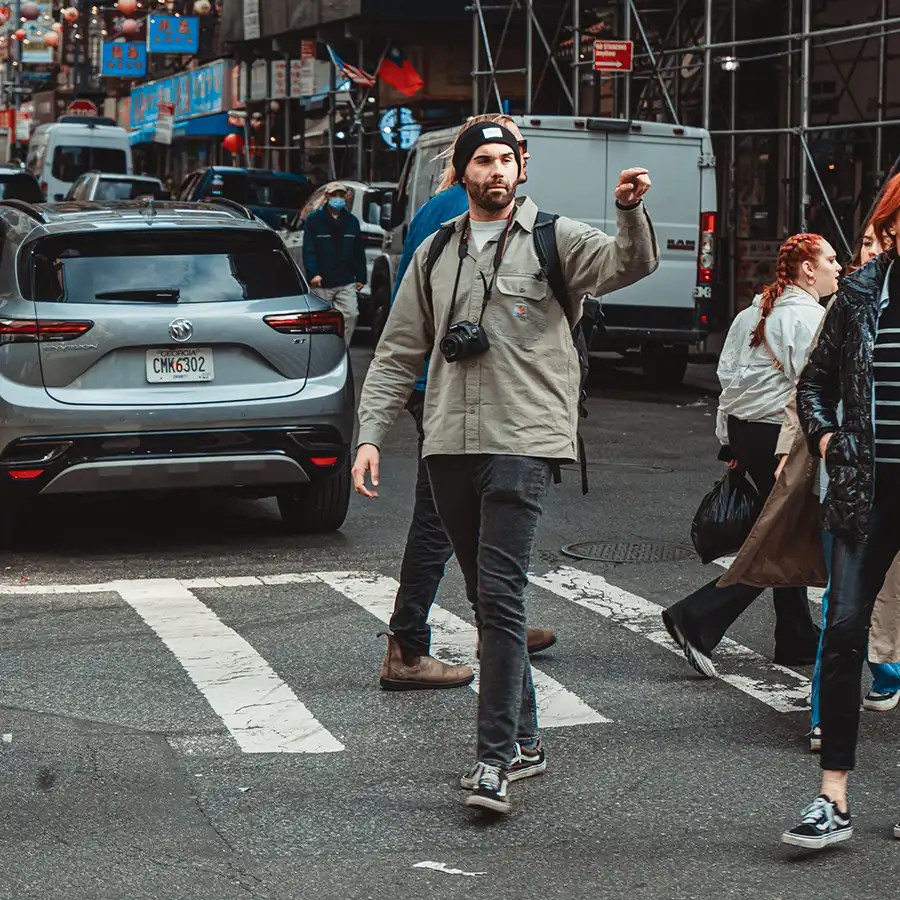
Great street photography involves anticipating human behaviour. Observing a scene before clicking the shutter allows for more meaningful compositions. A fraction of a second can be the difference between an ordinary shot and a striking moment.
4. Long Exposure and Night Photography
Techniques like long exposure require patience. Waiting for passing traffic to create light trails or for the night sky to clear results in stronger images. Rushing the process leads to poor execution.
5. Event Photography
Whether photographing weddings or concerts, the best moments are often fleeting. Staying attentive and waiting for genuine expressions or peak action results in more dynamic and memorable images.
How to Practise Patience in Photography
Step 1: Spend More Time Observing
Instead of snapping multiple images immediately, take a moment to assess the scene. Consider what might improve the shot and wait for the right opportunity.
Step 2: Use a Tripod
A tripod forces you to slow down and be deliberate with composition. It also allows for long exposure techniques where stability is essential.
Step 3: Plan Your Shots
Research locations, weather, and times of day for optimal conditions. Knowing when and where to shoot increases the likelihood of capturing a great image.
Step 4: Embrace the Waiting Game
Sometimes, the perfect shot takes minutes, hours, or even days. Accepting that photography requires patience leads to a more rewarding experience.
Step 5: Limit Continuous Shooting
Instead of relying on burst mode, focus on timing your shots. Training yourself to anticipate moments rather than machine-gunning images improves overall skill.
The Psychological Benefits of Patience in Photography
Patience not only improves photography skills but also fosters mindfulness and appreciation for the process. It helps photographers stay present, reducing frustration and increasing satisfaction with their work.
Final Thoughts
The best images don’t always happen instantly. By slowing down, observing, and waiting for the right conditions, photographers increase their chances of capturing truly remarkable shots. Patience is a skill that pays off, both in technical execution and in the depth of storytelling within an image.
 Stephen Walton Photography
Leave a Comment