
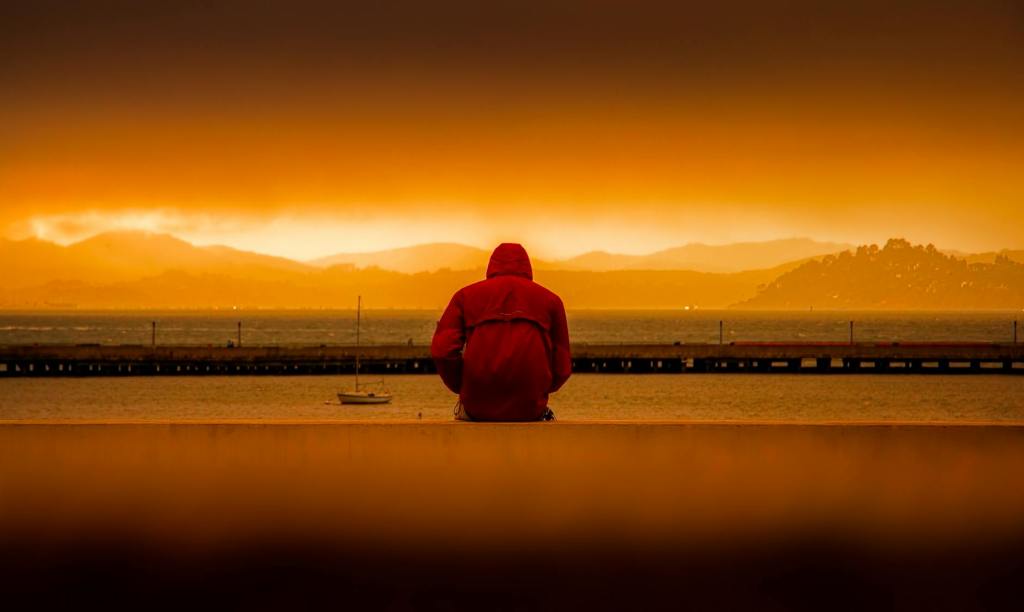
Do you ever find as a photographer you can’t capture what you see? It’s the BIGGEST frustration not being able to take a photo of exactly how you saw the moment. There’s always some part of the photo that looks too dark, or too light, or not sharp enough. It causes photographers to think their camera isn’t good enough – but that’s not true.
If you are a beginner photographer or just a very frustrated amateur you need to understand that cameras have greater limitations than our eyes. Even if your camera costs thousands it will never be as good as your eyes.
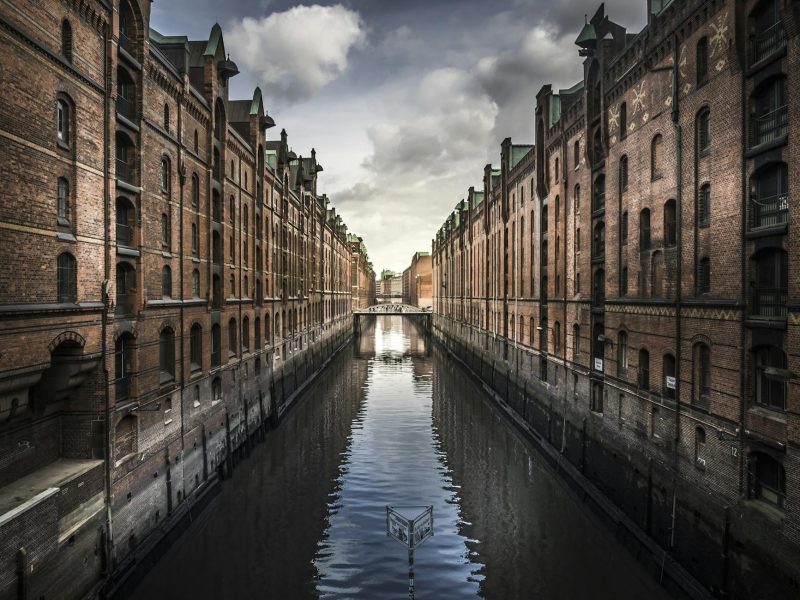
Eyes v Cameras – Which is the Best?
Our eyes have mutated and evolved over tens of thousands of years to be the finely tuned devices we use today. Photography has only been in existence for around 150 years. Thousands of years of development compared to 150 years means there’s going to be a difference.
It’s not the fault of your camera that you can’t always get your shot correct – it’s the expectation that the camera should be able to because of how good the marketing says it is.
Unfortunately, we’re not at that Black Mirrors stage where we can take photos with our eyes and store them in our minds. So in the meantime, we need to rely on other technology that isn’t at the same standards, yet.
The Differences in Dynamic Range
A camera takes one photo at a time based on a single set of parameters (F/stop, shutter speed, etc). Our eyes operate more like a movie camera – multiple frames being read at different exposures all at the same time to create a picture with lots of dynamic range.
Therefore it’s unfair to expect a camera to capture the same level of detail in just one frame.
Our eyes are said to operate over a range of 8 stops of light. A camera (in a single exposure without bracketing) works based on 1 stop of light.
Meaning the range of what our eyes see is 8x greater than a camera. Of course, you’re going to see more if your eye is 8x more sensitive.
It’s only when you look directly at the sun or close your eyes will you be seeing pure white and black, otherwise some level of detail will be visible. A camera isn’t that lucky, it can suffer under and over exposure quite easily.

How to Take Better Exposed Photos
Fortunately, there is a way to level up your chances of getting a better-exposed photo with more dynamic range. Bracketing is a technique used by landscape photographers, in particular, to capture more detail in the bright and dark areas of a photo.
Not all cameras have built-in bracketing functions, but it’s possible to do it manually.
Take multiple photos of the exact same scene at different shutter speeds or f/stops depending upon the situation. Blend those photos together in camera or in editing to get the best bits of each version creating a more rounded exposure.
This will help you capture images closer to what your eye saw initially, but still, it may never be exactly the same.
Will Cameras Always Be Worse Than Our Eyes?
It’s an impossible question to answer in a way. Hopefully, as technology advances, sensors can become adept enough to capture more detail across a single exposure.
Already in the past 20 years, we’ve seen huge leaps forward in light capturing technology so it’s not naive to say it will never happen, but when is the biggest question.
A ‘Bad’ Photo: It’s Not Your Fault (sometimes)
Nope, this isn’t that scene from Good Will Hunting (a great movie btw) but an intervention of a photographic kind.
Remembering that your camera has an upper limit should relax your expectations of amazing shots. Provided you’re dialing in all the correct settings in your situation, you’re doing the best you can and the rest isn’t your fault.
Nor is it the camera’s fault. Don’t think you need to upgrade your kit just because other photographers are taking the shots you really want. They may be;
– Bracketing their photos for better dynamic range
– In the right place at the right time, with the right light
– Very skilled at editing and able to enhance what they captured
There are a number of ways to make your photos better that aren’t related to camera technology. If you know your camera inside out, plan your photo outings and learn how to edit a photo effectively then you’re in with a better chance.
Did You Enjoy This?
Let me know what you thought about this chat about why you can’t capture exactly what you see. Has it relieved any pressure you’re unduly putting on yourself? I’d love to know.
 Stephen Walton Photography
Leave a Comment