If you’re a bit of an adventurer and like to take your camera out into the wilderness then listen up. Taking advantage of paths in woodlands and forests is the quickest way to build a strong direction in your composition.
For photographers, the composition is key. It’s the constructs of your story, getting it wrong or misguided means the story is muddled. Strong, clear paths are unmistakeably obvious. We all follow paths in reality, spiritually and emotionally so it shouldn’t be surprising that we are drawn to them in photography.

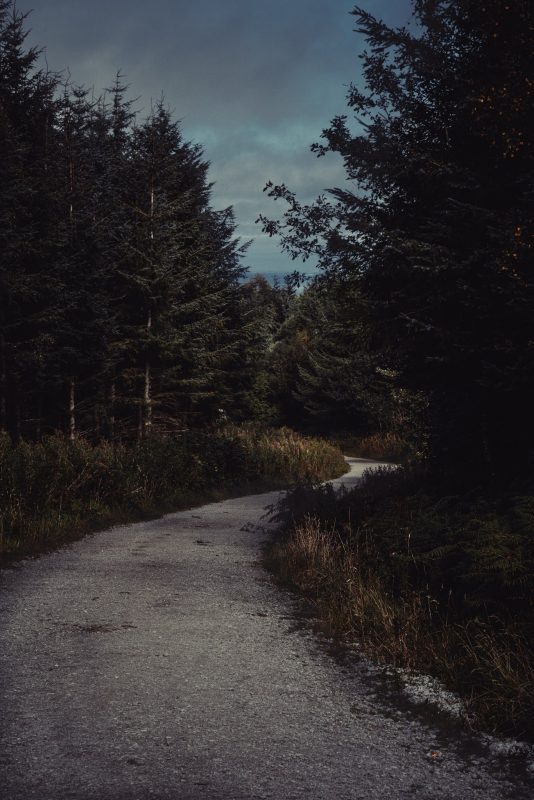
When composing your image centralise your path and aim for it to pull in your audience. You can do that by getting low down to the floor and making sure the path spans the base of your frame. Think of it like a funnel which starts wide then tapers.

Being low to the floor makes the length of the path look longer too, which allows your audience’s eye more time travelling along the road. Leave it unobstructed too – hazards on the path such as logs or stones break the chain direction.
As well as standing dead in the centre of your woodland path for some photos, it’s worth considering the alternatives. Positioning the camera to the side and letting the path run across the horizontal of your frame is also a creative idea. It gives the audience a different direction – they aren’t drawn in, they are drawn across. The same can be done diagonally and vertically.
Get out there and practice leading lines with woodland paths to see what engaging images you can create.

Leave a Reply